
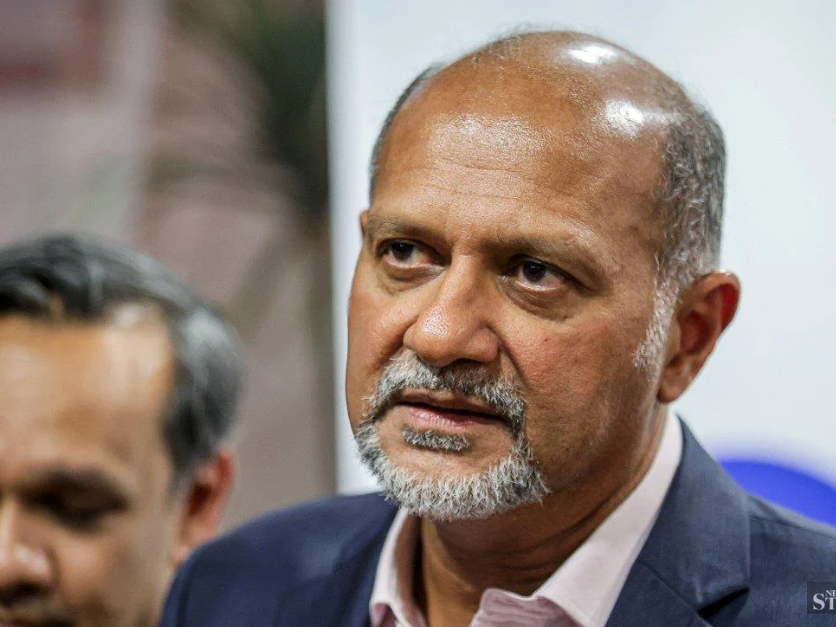
AI expected to contribute up to RM20bil annually to Malaysia's GDP by 2030 –Gobind Singh
Artificial intelligence is set to play a central role in Malaysia’s economic growth, with projections estimating up to RM20 billion in annual GDP contribution by 2030. As AI continues to drive the digital economy—already accounting for over 23% of GDP—the government is accelerating initiatives like the Government Innovation Initiative (GII) to foster innovation among youth, researchers, and industry. The focus now shifts toward building responsible, value-driven AI that supports long-term national development.
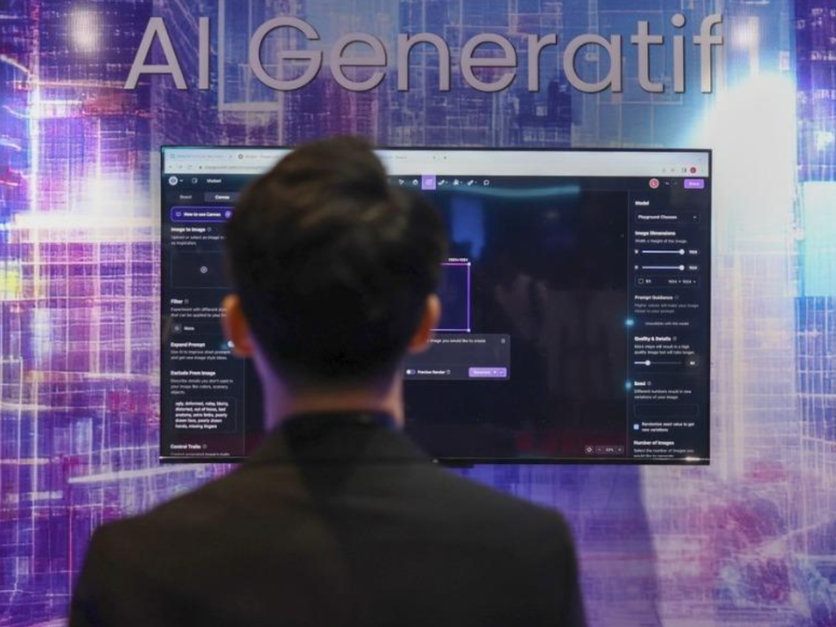
AI and Automation Reshape Malaysia’s Workforce as Skills and Adaptability Become Critical for Future Jobs
AI and automation are rapidly reshaping Malaysia’s job landscape, with nearly 700,000 workers expected to be affected. As industries evolve, the focus is shifting from qualifications to skills, adaptability, and continuous learning. While new roles in AI, data, and green economy sectors are emerging, gaps in digital readiness and workforce training remain a key challenge.

Digital-AI leads Thailand’s THB1 trillion future-industry boom
Thailand’s investment applications surged past THB1 trillion in the first quarter of 2026, driven largely by digital and AI-related industries. Data centres and cloud infrastructure accounted for the majority of investments, highlighting growing demand for AI capabilities and positioning the country as a key regional hub for high-technology development.

RM2bil sovereign AI cloud to safeguard security, boost talent - PM
Malaysia is committing RM2 billion to build a sovereign AI cloud, aimed at safeguarding sensitive data while strengthening its domestic AI capabilities. Alongside continued investment from global cloud providers, the initiative reflects a dual strategy of maintaining an open digital economy while building local talent, infrastructure, and long-term competitiveness in AI.
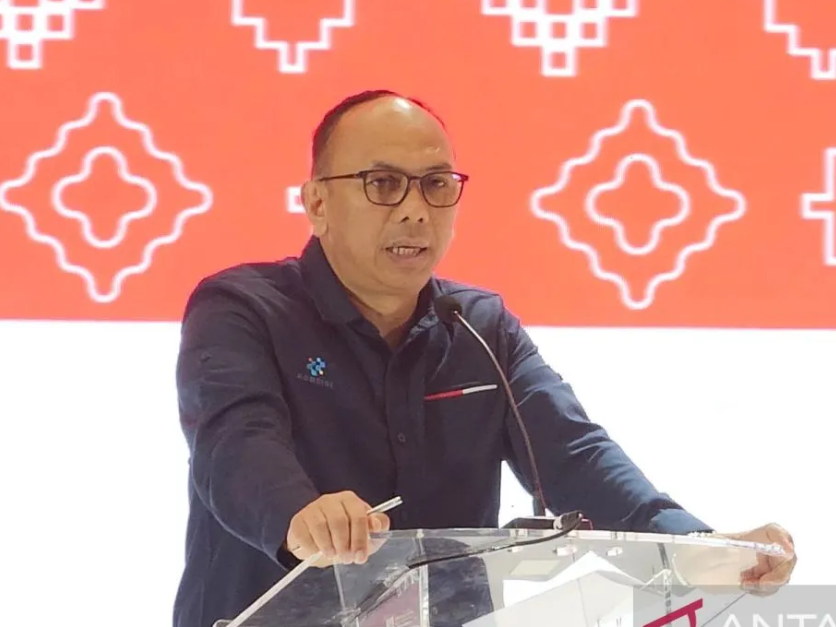
Ministry positions AI, 5G as accelerators for Golden Indonesia 2045
Indonesia is accelerating its digital transformation by positioning AI and 5G as core enablers of innovation, infrastructure, and economic growth toward Golden Indonesia 2045.
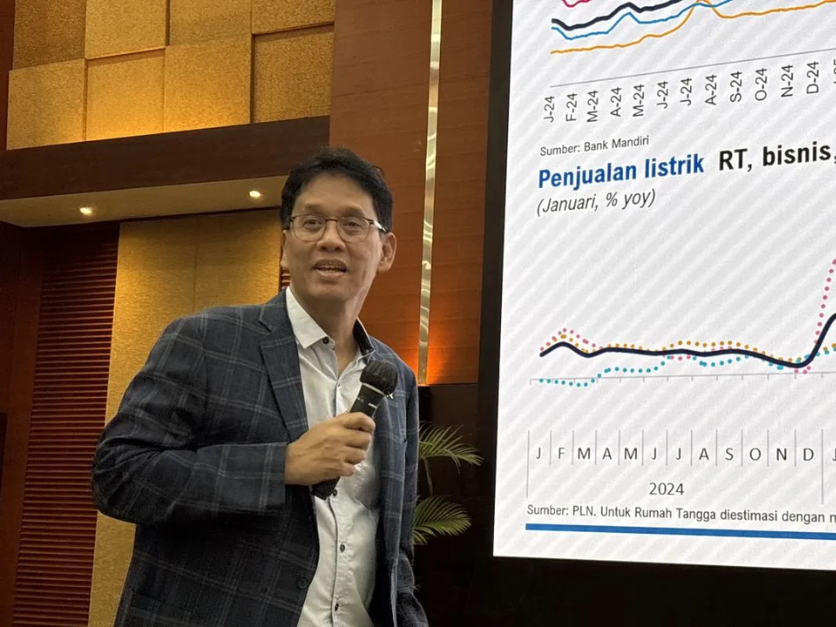
Indonesia ready to become partner in establishing global AI governance: govt
Indonesia is stepping forward as an active partner in shaping global AI governance, bringing a developing economy perspective to international discussions. With strong ICT growth and expanding infrastructure, the country is building its AI ecosystem while remaining focused on managing risks and ensuring inclusive, sustainable benefits from AI adoption.
Thailand steps up efforts to lure high-tech US investments
Thailand is ramping up efforts to attract US investment in semiconductors, AI, and data centres as global demand for chips surges. With engagements involving major firms and strong government backing, the country is positioning itself as a regional hub for high-tech manufacturing—supporting long-term growth in its digital economy.

Vietnam’s tourism sector accelerates with AI
Vietnam’s tourism industry is rapidly embracing AI to personalize travel experiences, improve operational efficiency, and support sustainable growth. With strong government backing and rising adoption among businesses, AI is shaping a smarter, more competitive tourism ecosystem—though challenges in data integration, talent, and digital readiness remain.
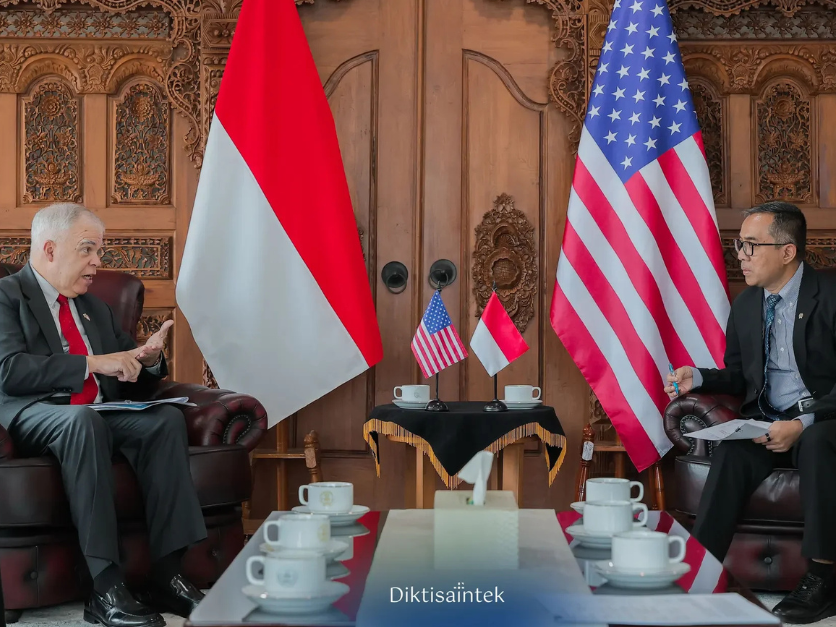
Indonesia, U.S. Boost Cooperation in Talent Development and High-Tech Industry
Indonesia is expanding cooperation with the United States to accelerate talent development and high tech capabilities, with a focus on semiconductors, healthcare education, and learning technology.

Indonesia seeks Russia's expertise to boost digital governance reform
Indonesia is being urged to adopt a focused approach to artificial intelligence development, prioritizing key sectors, strengthening local capabilities, and investing in sustainable infrastructure to close the global AI gap.

Deputy minister urges on-target strategy to close AI development gap
Indonesia is being urged to adopt a focused approach to artificial intelligence development, prioritizing key sectors, strengthening local capabilities, and investing in sustainable infrastructure to close the global AI gap.

British Chamber urges cybersecurity reforms amid rising digital risks
As digitalisation accelerates in the Philippines, the British Chamber of Commerce is urging stronger cybersecurity reforms to address growing threats and geopolitical risks. With cybersecurity now a key investment consideration, strengthening national frameworks is seen as critical to protecting infrastructure, maintaining investor confidence, and enabling a secure digital economy.

To protect Filipinos, leverage tech: AI Bill of Rights pushed
Lawmakers in the Philippines are advancing an AI Bill of Rights to safeguard citizens from risks such as deepfakes, algorithmic bias, and data misuse. Under HB 2827, the proposed framework introduces new regulatory bodies, worker protection programmes, and ethical AI standards, aiming to balance innovation with accountability as AI adoption accelerates nationwide.
Globe CEO pushes AI-driven transformation
At MWC 2026, Globe CEO Carl Cruz showcased how AI is reshaping the telecom giant’s operations, from customer experience to workforce innovation. With initiatives like a Chief AI Officer, AI Innovation Hub, and ethical AI frameworks, Globe is advancing digital inclusion while building a more sustainable and connected Philippines.
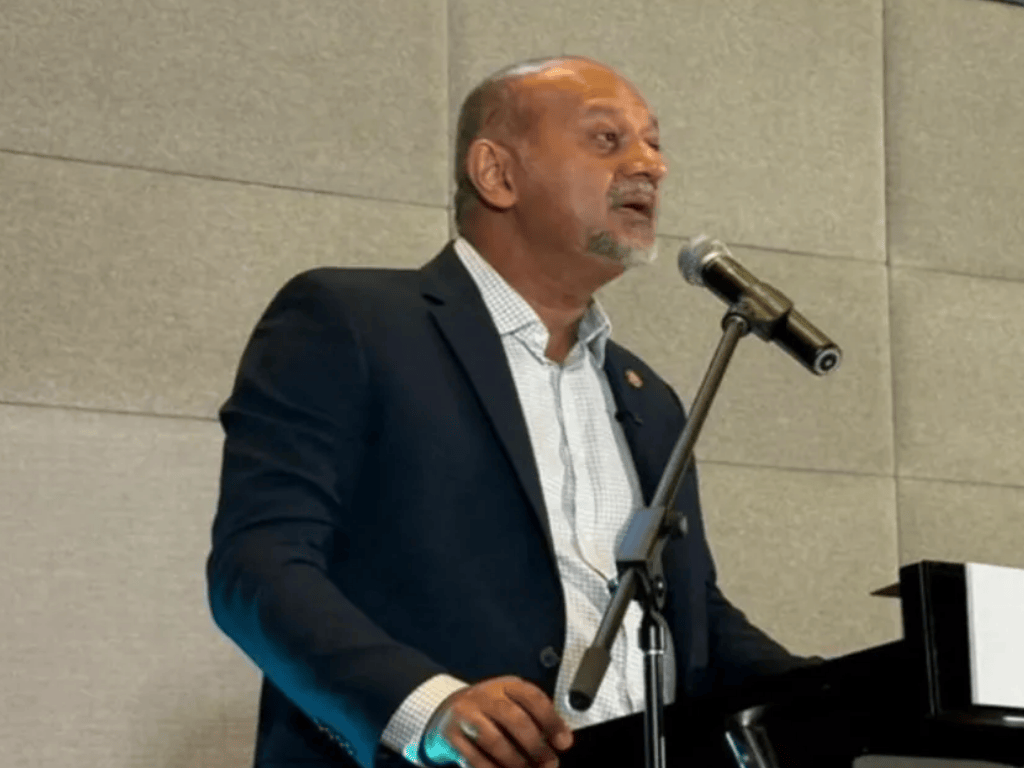

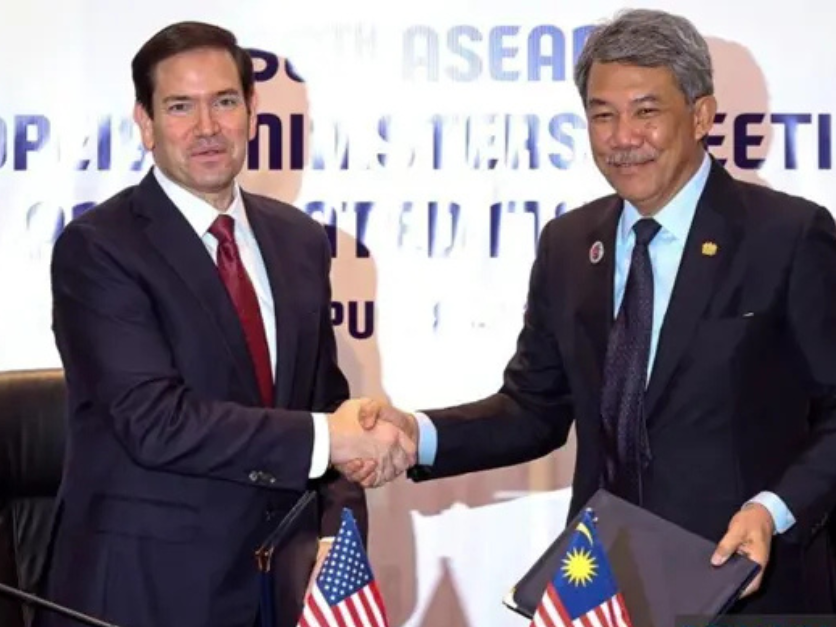
South-East Asia revisits nuclear power plans for AI data centres as Iran war disrupts energy supplies
Countries across Southeast Asia are reviving nuclear energy plans to support the rapid expansion of AI-driven data centres and reduce reliance on volatile fossil fuel supplies. The shift reflects growing pressure to meet surging electricity demand while ensuring long-term energy security amid geopolitical disruptions.
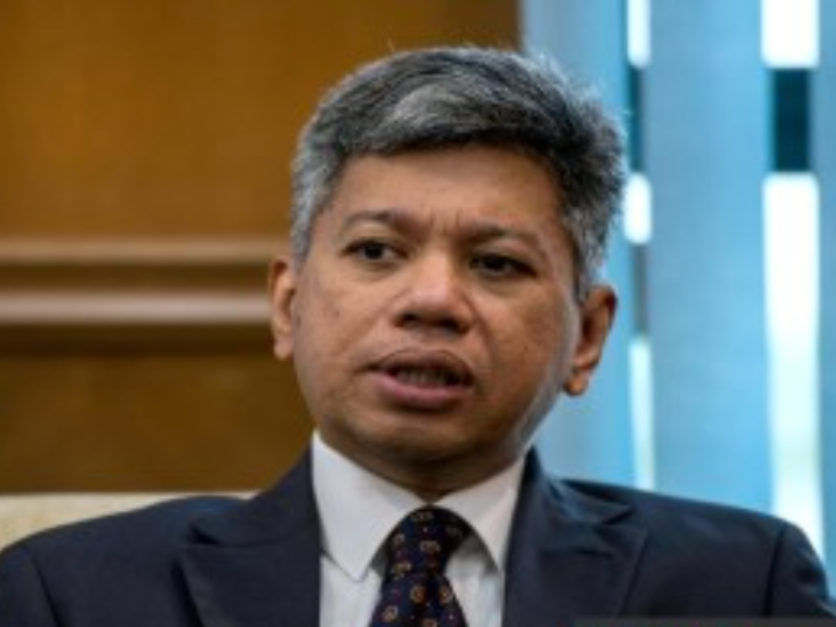
Malaysia’s Geostrategic Position, Role in Technology Sectors Boosts Global Significance – MKN
National Security Council highlights Malaysia’s rising global relevance, driven by its strategic location along key trade routes and its role in semiconductors and emerging technologies. As AI reshapes modern security threats, the country is positioned to play a more critical role in global stability and digital-era defence.

Philippines declares national energy emergency as Iran war fuels oil shock fears
Ferdinand Marcos Jr. has declared a national energy emergency as escalating Middle East tensions threaten global oil supply and drive up fuel costs. The move signals growing concern over inflation, transport disruptions, and long-term energy security risks in a highly import-dependent economy.