
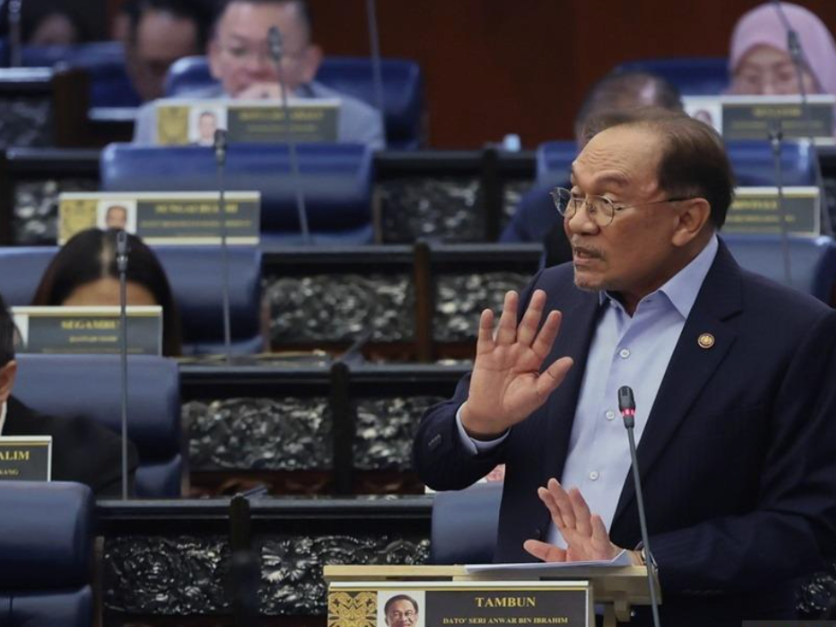
Non-AI Data Centres Restricted, Power And Water Supply Sufficient – PM Anwar
Malaysia has halted approvals for new data centres unrelated to artificial intelligence in a move to manage rising electricity and water demand. Prime Minister Anwar Ibrahim said projects supporting high-technology and AI development will receive priority, as the government drafts a comprehensive AI Governance Bill focused on risk classification, ethical safeguards, intellectual property protection and lifecycle oversight of AI systems.

Indonesia targets 15,000 engineers to master chip design technology
Indonesia is accelerating its semiconductor ambitions through a strategic agreement between Danantara and Arm Limited to train 15,000 engineers in advanced chip design. Backed by an initial US$150 million investment, the initiative focuses on building national intellectual property across automotive, IoT, data centers, AI, and emerging technologies such as autonomous vehicles and quantum computing, positioning Indonesia as a high-value player in the global semiconductor supply chain.
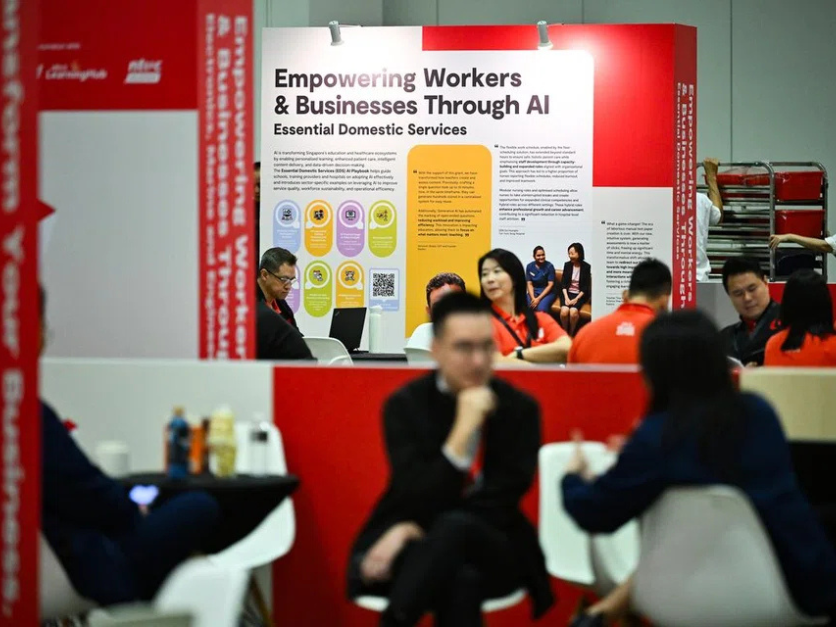
AI emerges as cornerstone of Singapore’s new economic playbook
Artificial intelligence has emerged as a central pillar of Singapore’s economic strategy under Budget 2026, positioning the nation as a regional AI hub amid global trade fragmentation and technological disruption. With the launch of a National AI Council, sector-specific AI missions and expanded workforce upskilling initiatives, the government aims to drive productivity gains, strengthen competitiveness and lift long-term growth toward the upper end of Singapore’s historic 2–3 per cent annual average.

Thailand must shift from ‘technology user’ to ‘co-creator’ to survive, says NECTEC
Thailand must transition from being a technology “user” to a “co-creator” to safeguard national security and long-term competitiveness, according to NECTEC Director Dr Chai Wutiwiwatchai. Emphasising digital sovereignty, AI development and home-grown innovation, NECTEC outlined plans to strengthen Thailand’s technological foundations through smart farming systems, AI testing labs, medical AI and sustainable manufacturing initiatives.

VentureTech invests RM28 mil to boost Malaysia’s cybersecurity, digital resilience
Government-backed impact investor VentureTECH has invested RM28 million in Delta Spike Asia and IX Telecom to strengthen Malaysia’s cybersecurity ecosystem and cross-border digital infrastructure. The funding will accelerate platform development, regional expansion and enterprise connectivity, reinforcing national digital resilience and positioning Malaysian-owned technology firms for regional competitiveness.

How S’pore defended its telcos against cyberespionage group UNC3886: A timeline
Singapore mounted its largest cybersecurity response in 2025 after advanced persistent threat group UNC3886 targeted four local telcos, triggering Operation Cyber Guardian. More than 100 cyber defenders from Singtel, M1, StarHub and Simba Telecom, alongside six government agencies including the Cyber Security Agency of Singapore (CSA) and GovTech, coordinated efforts to investigate sophisticated malware and a zero-day exploit. While the attackers gained unauthorised access to internal systems, authorities said there was no evidence of data exfiltration or service disruption. The multi-agency operation highlights Singapore’s national-level approach to defending critical telecommunications infrastructure against evolving cyber threats.

Thailand Leads ASEAN in AI Adoption as Regional Digital Economy Eyes $1 Trillion Valuation
Thailand has emerged as ASEAN’s leader in artificial intelligence adoption, with more than 90% of students and over 81% of teachers regularly using generative AI tools, according to new research by the ASEAN Foundation and Google.org. While adoption rates are among the highest in the region, experts warn of a widening “readiness gap,” as educators and institutions struggle to establish the governance frameworks and ethical standards needed to manage the technology responsibly. The findings come as Southeast Asia’s digital economy is projected to grow from $300 billion to $1 trillion by 2030, raising urgent questions about cybersecurity, misinformation, and long-term institutional preparedness.

Nacsa investigating alleged cyber-espionage targeting multiple government bodies
Malaysia’s National Cyber Security Agency (Nacsa) is investigating alleged cyber-espionage activity targeting several government ministries and departments after receiving intelligence from Palo Alto Networks’ Unit 42. The agency said it has been monitoring the situation since September 2025 and has implemented precautionary and investigative measures in coordination with relevant entities. While a report by Unit 42 alleged that a state-aligned group known as TGR-STA-1030 compromised government systems and conducted reconnaissance across 155 countries, Nacsa stated that no adverse impact has been identified so far and investigations remain ongoing.

Thailand 2026: Adapt with AI or Be Left Behind
By 2026, artificial intelligence is no longer an experimental tool but a core driver of competitive advantage. As Thailand’s economy undergoes rapid digital transformation, businesses must move beyond generative AI towards agentic AI, invest in workforce reskilling, and build cross-border partnerships to compete globally. Those that fail to adapt risk being left behind in an increasingly AI-powered market.

Pragmatisme, Kunci Keberhasilan Inovasi di Pasar ASEAN
Inovasi di ASEAN semakin ditandai oleh pragmatisme, bukan ideologi. Laporan AIBP 2025–2026 menunjukkan bahwa di tengah rivalitas geopolitik teknologi global, kawasan ini memilih pendekatan netral dan berfokus pada solusi yang fit-for-purpose, berbasis biaya, konteks, dan hasil nyata. Kerangka VALUE menjadi panduan perusahaan dalam menyeimbangkan efisiensi, ROI, lokalisasi, kolaborasi, dan pertumbuhan berkelanjutan. Ke depan, perusahaan yang mengutamakan eksekusi sebelum skala akan menjadi penentu arah digitalisasi ASEAN.

Mulai Bergeser, Investasi AI Perusahaan ASEAN Masuk Produksi Skala Penuh
Investasi AI di ASEAN mulai bergeser dari tahap eksperimen ke produksi skala penuh. Laporan AIBP 2025–2026 mencatat 81,3% perusahaan membutuhkan investasi AI moderat hingga ekstensif untuk tetap kompetitif dalam tiga tahun ke depan. Namun, kualitas data, keamanan, dan kesenjangan talenta masih menjadi hambatan utama. Dengan pendekatan lebih pragmatis dan fokus pada ROI, AI kini menjadi tolok ukur fundamental daya saing perusahaan di kawasan.

ESG Goes Digital: AI Sebagai Pembuktian Kredibilitas Keberlanjutan
Teknologi kini menjadi fondasi utama agenda ESG di Indonesia dan ASEAN. Laporan AIBP 2025–2026 menunjukkan 87% perusahaan menganggap teknologi esensial untuk mengatasi tantangan ESG, dengan fokus pada kredibilitas, keterlacakan data, dan auditabilitas. Seiring 69% perusahaan berencana mengadopsi AI, ESG bergerak dari sekadar pelaporan menuju pembuktian berbasis data, menjadikan kredibilitas sebagai mata uang baru keberlanjutan.

Perusahaan Indonesia Mulai Perhatikan Teknologi ESG di ASEAN
Teknologi kini menjadi fondasi utama agenda ESG di Indonesia dan ASEAN. Laporan AIBP 2025–2026 menunjukkan 87% perusahaan menganggap teknologi esensial untuk mengatasi tantangan ESG, dengan fokus pada kredibilitas, keterlacakan data, dan auditabilitas. Seiring 69% perusahaan berencana mengadopsi AI, ESG bergerak dari sekadar pelaporan menuju pembuktian berbasis data, menjadikan kredibilitas sebagai mata uang baru keberlanjutan.

Naik Kelas, Cybersecurity Jadi Prioritas Utama Dewan Direksi di ASEAN
Keamanan siber di ASEAN tak lagi sekadar kewajiban kepatuhan, melainkan prioritas strategis di tingkat dewan direksi. Laporan AIBP 2025–2026 menunjukkan 52% perusahaan berencana menaikkan anggaran keamanan siber pada 2025, dengan fokus pada deteksi ancaman, keamanan cloud, dan respons insiden yang lebih cepat. Di tengah lonjakan risiko akibat adopsi AI dan cloud, perusahaan mulai beralih dari pencegahan pasif menuju ketahanan proaktif, menempatkan security-by-design dan pertahanan berbantuan AI sebagai fondasi daya saing digital kawasan.

From digital curiosity to export competitiveness
Philippine exporters are increasingly experimenting with AI tools for marketing and content creation, but a new nationwide study shows adoption remains fragmented and uneven across core operations. While awareness is high, gaps in digital workflows, cybersecurity readiness, and business continuity planning limit true competitiveness. To move from curiosity to capability, exporters need structured training, practical toolkits, and stronger governance to embed AI securely into daily operations.
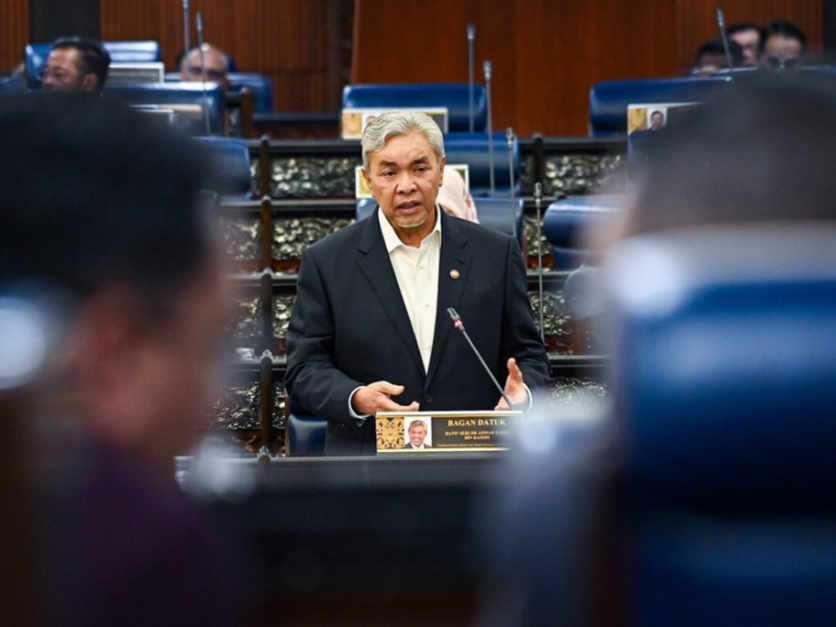
Malaysia to introduce new cybercrime bill to replace outdated computer crimes act
Malaysia is preparing a new Cybercrime Bill to replace its 1997 Computer Crimes Act and address rising threats such as online fraud, deepfakes, and digital misinformation. Led by the National Cyber Security Agency, the proposed legislation will strengthen enforcement, close legal loopholes, and complement the country’s Cyber Security Act 2024. The move is part of Malaysia’s broader strategy to build a more resilient and sovereign national cybersecurity ecosystem.
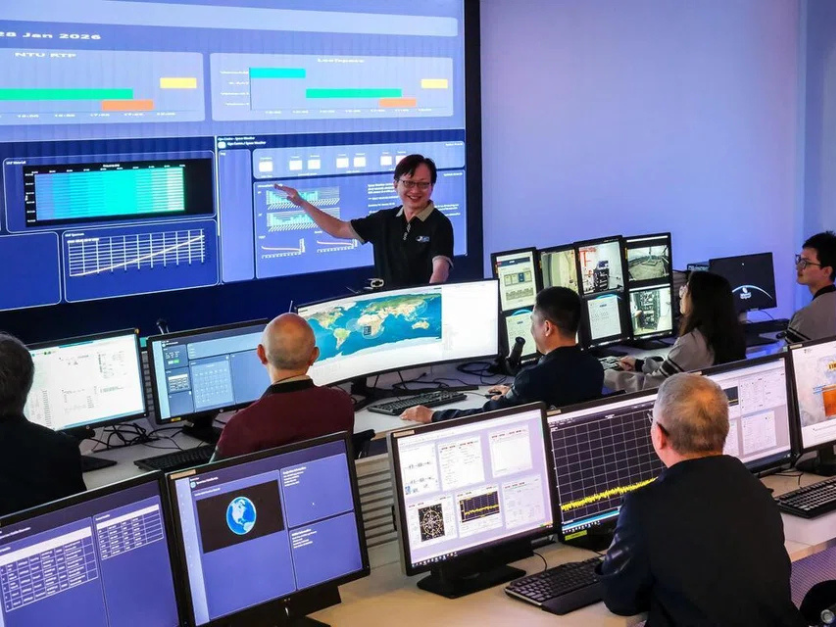
Singapore’s first AI nanosatellite to be launched under $200m national space push
Singapore is set to launch its first AI-powered nanosatellite in 2026 as part of a $200 million national space technology programme. The satellite will use onboard edge computing to analyse imagery, prioritise cloud-free data, and flag urgent events such as oil spills or forest fires, reducing transmission time and bandwidth use. The mission aims to accelerate the commercialisation of locally developed space technologies and strengthen Singapore’s growing space ecosystem.
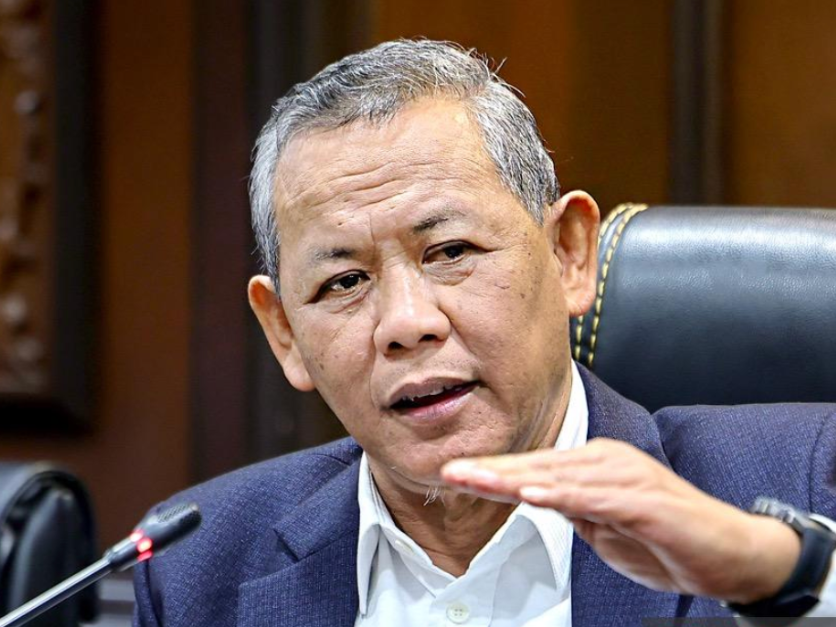
Negeri Sembilan Has Potential as Major Data, Technology Hub With Construction of Green Data Centre Campus
Negeri Sembilan is positioning itself as a major regional data and technology hub with the development of the Nexus Yang Green Data Centre Campus, a RM20 billion hyperscale, AI-ready project at the NS Semiconductor Valley. The green campus is expected to strengthen Malaysia’s digital infrastructure, support AI and cloud computing, create high-skilled jobs, and drive sustainable, long-term economic growth.

Suphajee calls for Thailand to be a partner to all in a more divided world
As global trade, technology and security tensions deepen, Thailand must position itself as an “ally to all” rather than take sides, said Commerce Minister Suphajee Suthumpun at the World Economic Forum in Davos. Highlighting extreme global polarisation, she called for issue-based trade negotiations, balanced import-export strategies, stronger ASEAN cooperation, and a renewed focus on technology, green economy and security to safeguard Thailand’s long-term competitiveness.

From food to finance: AI facilities that have set up shop in Singapore
Singapore is rapidly cementing its position as a regional AI hub, with more than 60 AI centres of excellence spanning sectors from finance and transport to gaming and agriculture. Backed by a new $1 billion national AI plan, global firms such as UBS, Grab, Google DeepMind and Microsoft are expanding local research, talent development and enterprise AI adoption—signalling the city-state’s growing role in shaping applied and frontier AI in Asia.