
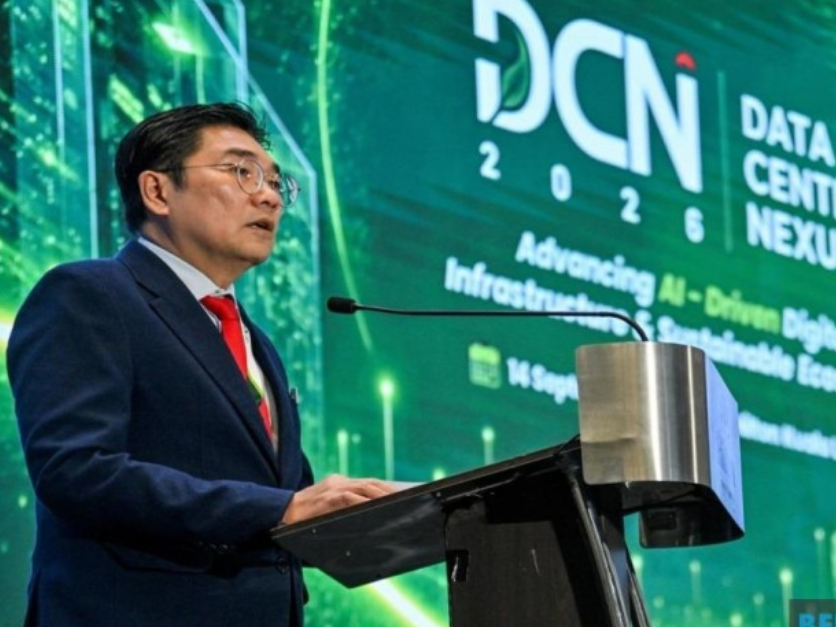
Data Centre Task Force Receives Over 40 Applications In 2026 -- MITI
Malaysia's Data Centre Task Force (DCTF) has received over 40 applications in 2026 to establish or expand digital infrastructure. Backed by RM95.8 billion in data-centre and cloud-computing investments approved in H1 2026, the government is prioritizing sustainable resource management, AI adoption, and high-value job creation.
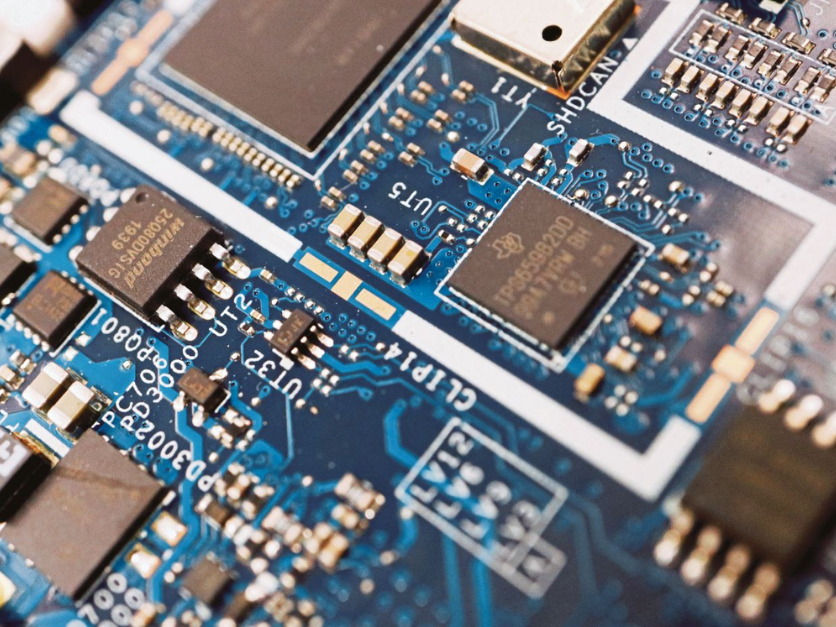
Malaysia tech sector poised for extended AI-driven bull run into FY27
Driven by global AI infrastructure expansion, robust order books, and accelerating semiconductor demand, Malaysia’s technology sector is set for a sustained bull run extending into FY27.

Kelantan's 5G Coverage reaches 87 Pct, Exceeds 2026 National Target
Kelantan has surpassed Malaysia's 2026 national 5G target, reaching 87% network coverage in populated areas — ahead of the 80% goal. The milestone is backed by federal funding, including RM770 million for digital infrastructure near industrial zones and schools, and RM780 million under JENDELA Phase 2 to connect 2,700 new locations, as the state works to close the urban-rural digital divide.
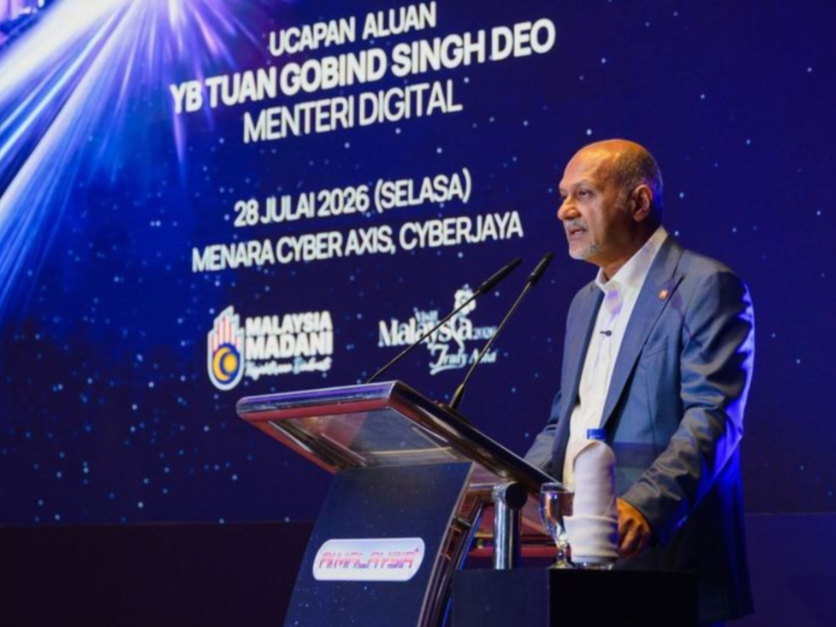
Govt to strengthen AI safeguards against deepfakes, misinformation and scams
The Malaysian government is enhancing safeguards against AI misuse, including deepfakes, misinformation, and scams. Digital Minister Gobind Singh Deo highlighted key initiatives like the Cyber Security Act 2024 and an upcoming Digital Trust Strategy to build a secure AI ecosystem.
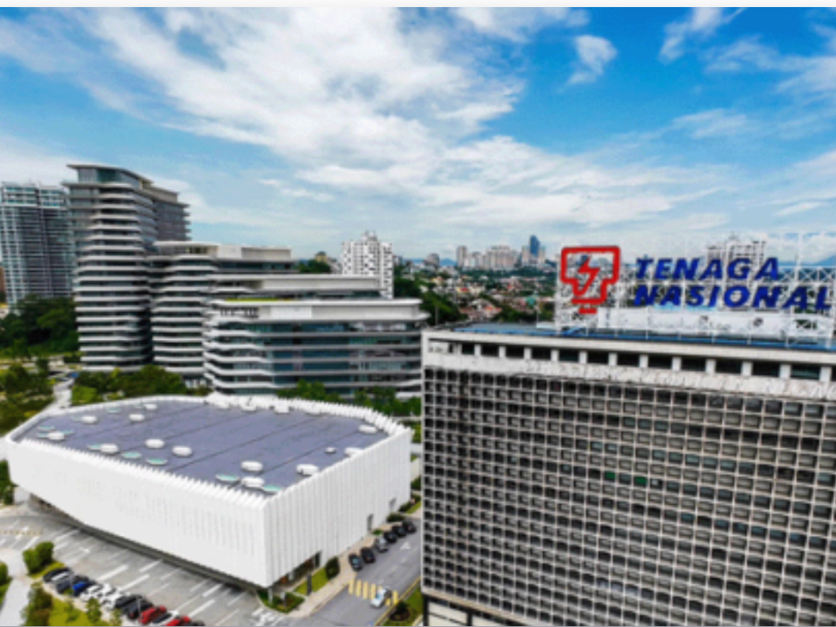
Tadbir Urus Berkesan Pemangkin Kepada Inovasi, Akauntabiliti – TNB
TNB menegaskan bahawa tadbir urus berkesan dan Model Interaksi Manusia-AI TNB (THAIM) menjadi pemangkin utama kepada inovasi, akauntabiliti, serta pengawasan manusia dalam melaksanakan transformasi AI secara bertanggungjawab.
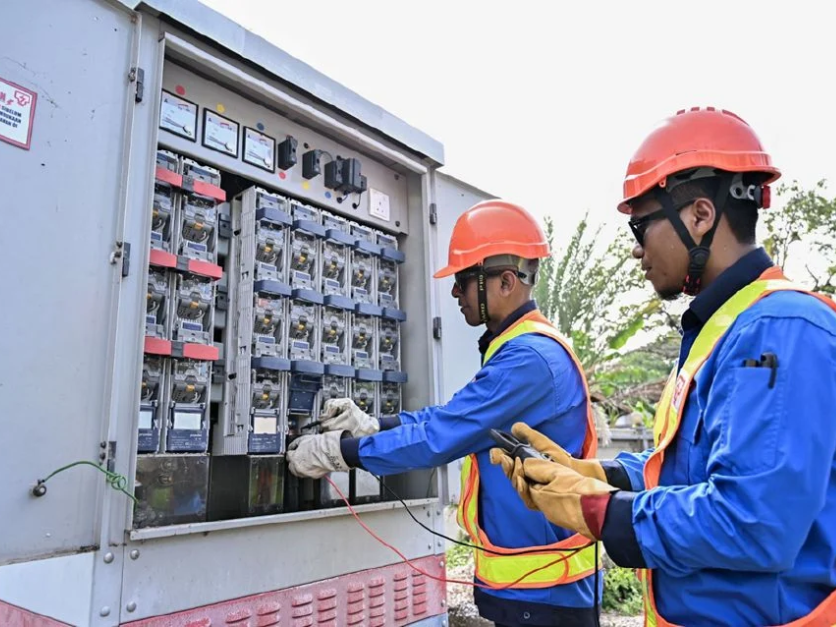
Era AI: TNB utamakan keselamatan, akauntabiliti, modal insan
TNB mengutamakan tadbir urus berkesan dan Model Interaksi Manusia-AI TNB (THAIM) bagi memastikan keselamatan, akauntabiliti, serta peranan modal insan kekal menjadi teras dalam era transformasi kecerdasan buatan (AI).

Nacsa investigating alleged cyber-espionage targeting multiple government bodies
Malaysia’s National Cyber Security Agency (Nacsa) is investigating alleged cyber-espionage activity targeting several government ministries and departments after receiving intelligence from Palo Alto Networks’ Unit 42. The agency said it has been monitoring the situation since September 2025 and has implemented precautionary and investigative measures in coordination with relevant entities. While a report by Unit 42 alleged that a state-aligned group known as TGR-STA-1030 compromised government systems and conducted reconnaissance across 155 countries, Nacsa stated that no adverse impact has been identified so far and investigations remain ongoing.

From digital curiosity to export competitiveness
Philippine exporters are increasingly experimenting with AI tools for marketing and content creation, but a new nationwide study shows adoption remains fragmented and uneven across core operations. While awareness is high, gaps in digital workflows, cybersecurity readiness, and business continuity planning limit true competitiveness. To move from curiosity to capability, exporters need structured training, practical toolkits, and stronger governance to embed AI securely into daily operations.
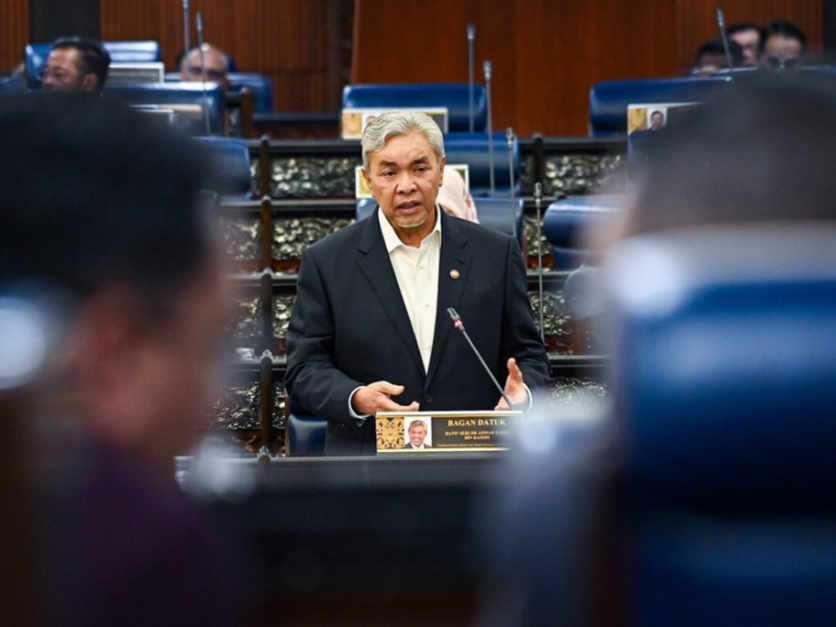
Malaysia to introduce new cybercrime bill to replace outdated computer crimes act
Malaysia is preparing a new Cybercrime Bill to replace its 1997 Computer Crimes Act and address rising threats such as online fraud, deepfakes, and digital misinformation. Led by the National Cyber Security Agency, the proposed legislation will strengthen enforcement, close legal loopholes, and complement the country’s Cyber Security Act 2024. The move is part of Malaysia’s broader strategy to build a more resilient and sovereign national cybersecurity ecosystem.
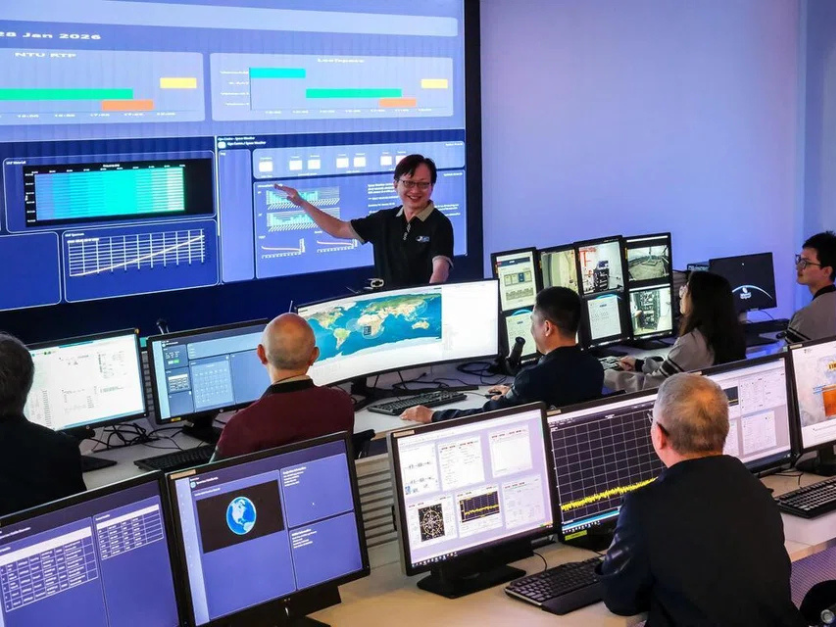
Singapore’s first AI nanosatellite to be launched under $200m national space push
Singapore is set to launch its first AI-powered nanosatellite in 2026 as part of a $200 million national space technology programme. The satellite will use onboard edge computing to analyse imagery, prioritise cloud-free data, and flag urgent events such as oil spills or forest fires, reducing transmission time and bandwidth use. The mission aims to accelerate the commercialisation of locally developed space technologies and strengthen Singapore’s growing space ecosystem.
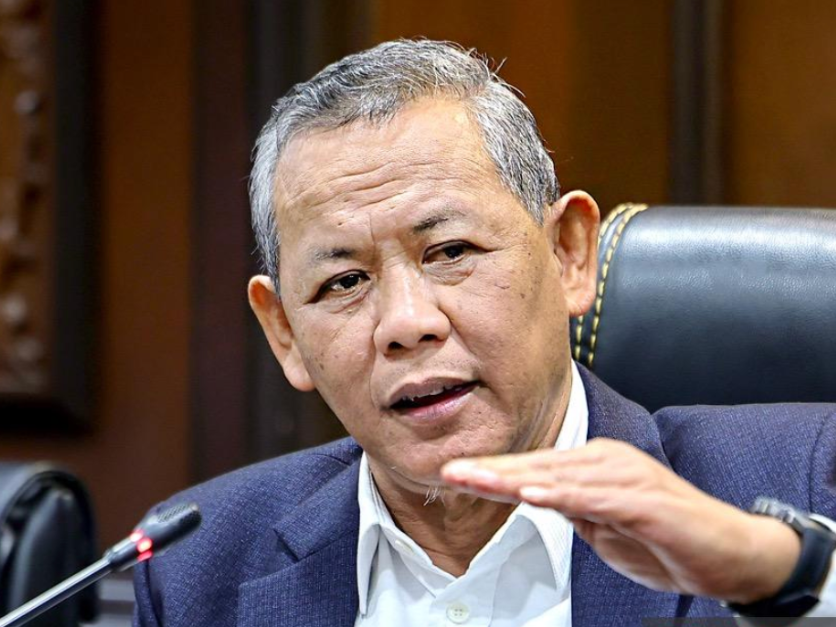
Negeri Sembilan Has Potential as Major Data, Technology Hub With Construction of Green Data Centre Campus
Negeri Sembilan is positioning itself as a major regional data and technology hub with the development of the Nexus Yang Green Data Centre Campus, a RM20 billion hyperscale, AI-ready project at the NS Semiconductor Valley. The green campus is expected to strengthen Malaysia’s digital infrastructure, support AI and cloud computing, create high-skilled jobs, and drive sustainable, long-term economic growth.
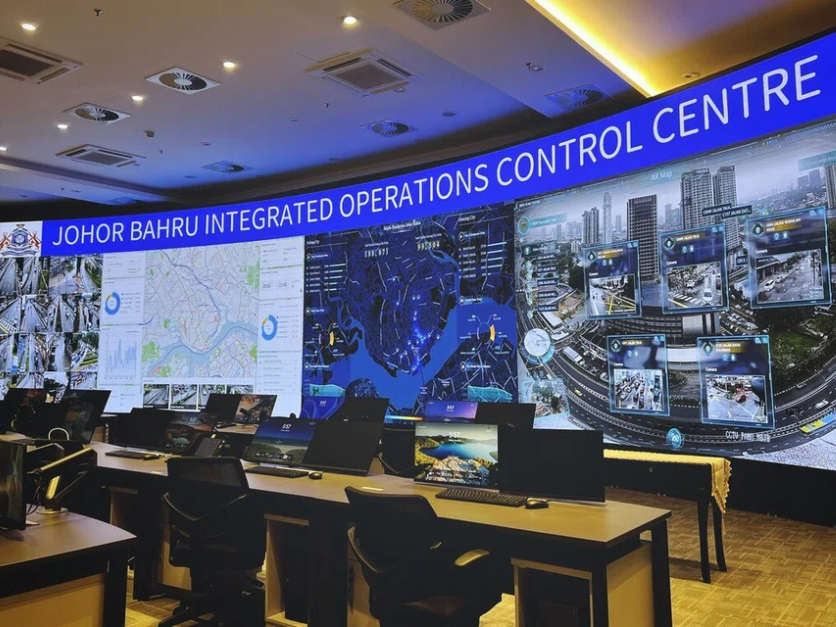
In JB – Malaysia’s first ‘leading smart city’ – AI is used to ease jams and detect potholes
Johor Bahru has been named Malaysia’s first “leading smart city”, powered by an AI-driven integrated operations control centre that monitors traffic, detects potholes, and supports city management in real time. However, analysts and residents question whether technology adoption is translating into meaningful improvements on the ground.

Malaysia's Tech Sector Rides Al, Data Centre Wave This Year And Into 2026
Malaysia’s tech sector continued its strong momentum in 2025, driven by rapid adoption of AI and a booming wave of data centre investments. Penang and Johor strengthened their positions as key technology hubs, attracting multinational firms in semiconductors and cloud infrastructure. Supported by MyDIGITAL initiatives, tax incentives, and new trade agreements such as DEFA and the US-Malaysia ART, the country saw record AI and data centre investment flows in the first half of 2025. With major commitments from global players like Microsoft, Google, Nvidia, and AWS, Malaysia is positioning itself as Southeast Asia’s next digital and AI powerhouse heading into 2026.

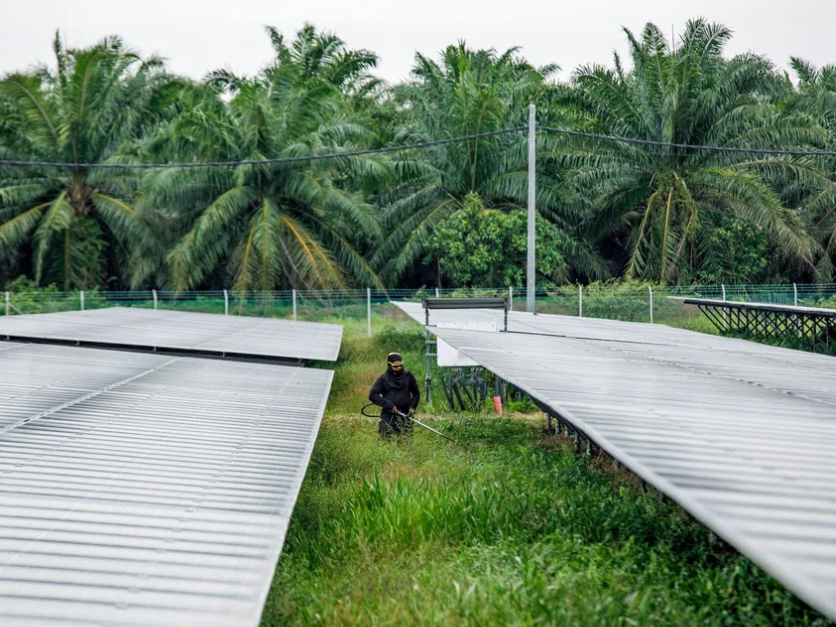
AI boom is turning Malaysia’s palm oil estates into data centres
Malaysia’s biggest palm oil companies are reinventing themselves as surprising players in the AI era, converting vast plantation land into sites for data centres and large-scale solar farms. With more than US$34 billion already flowing into Malaysia’s fast-growing data-centre market, palm oil giants such as SD Guthrie, KLK and IOI see an opportunity to supply both land and renewable power. But while the shift could boost profits and support Malaysia’s digital ambitions, critics warn it does little to address the industry’s longstanding environmental problems.

Malaysia adopts AI to bolster national security ecosystem
Malaysia is accelerating the adoption of artificial intelligence (AI) to strengthen its national security ecosystem, announcing new resolutions focused on trend detection, smart border management, digital intelligence transformation, and AI-driven service delivery. At the AI Transformation for Security Symposium 2025, Home Affairs Minister Saifuddin Nasution Ismail emphasised that AI is now essential to combating modern threats such as cross-border crime, digital fraud, human trafficking, and advanced cyberattacks. The ministry will prioritise human capital development to equip officers with core and generative AI skills, positioning Malaysia to stay competitive and secure in the evolving regional landscape.

Malaysia Sets Sights On Top 20 In Global Innovation Index
Malaysia is strengthening its innovation agenda with a goal to rank among the world’s top 20 in the Global Innovation Index (GII). Prime Minister Anwar Ibrahim announced new cross-agency strategies to enhance governance, funding efficiency, and public-private partnerships under the National Science Council. These efforts align with the National STI Policy 2021–2030, supporting Malaysia’s ambition to become a high-technology nation grounded in MADANI values by 2030.

Asean must tackle evolving cyber and tech threats from non-state actors, says defence minister
ASEAN must strengthen unity and adapt to fast-evolving security threats beyond traditional territorial disputes, Malaysia’s Defence Minister Datuk Seri Mohamed Khaled Nordin said at the 19th ASEAN Defence Ministers’ Meeting in Kuala Lumpur. He stressed that cyberattacks and weaponised technologies developed by private entities now pose significant risks, urging member states to build collective strategies to remain resilient against non-state actors and unconventional threats.

Malaysia Calls On Japan To Play Greater Role In Technology Transfer To ASEAN
As ASEAN Chair, Malaysia is urging Japan to take a larger role in technology transfer and front-end semiconductor investment across the region. Foreign Minister Datuk Seri Mohamad Hasan highlighted the importance of Japan’s strategic contribution to AI and high-tech industries, reinforcing ASEAN’s goal of boosting regional innovation and economic competitiveness.

Budget 2026 lays strong foundation for Malaysia's deep-tech future
Malaysia’s Budget 2026, the first under the 13th Malaysia Plan (2026–2030), sets a strong foundation for the nation’s deep-tech and digital ambitions. With RM5.9 billion allocated to strengthen the AI sector and additional investments in semiconductors, green innovation, and digital infrastructure, the government signals its commitment to building a future-ready innovation economy. MIMOS Berhad emphasized that the budget supports research, technology commercialization, and talent development, ensuring Malaysia’s competitiveness in emerging technologies and global markets.