

CP unveils plan to position Thailand as an ASEAN tech and economic hub
Charoen Pokphand Group has unveiled a wide-ranging plan to help position Thailand as a regional technology and economic hub, with a strong focus on human capital, startups and advanced infrastructure. Speaking on the strategy, Suphachai Chearavanont said the group aims to transform CP businesses into learning centres, support the creation of 200,000 student startups through a proposed government fund, and develop Bangkok into an innovation cluster anchored on digital, AI, robotics, bio and space technologies, while strengthening connectivity, energy policy and regional ASEAN cooperation to attract long-term investment.
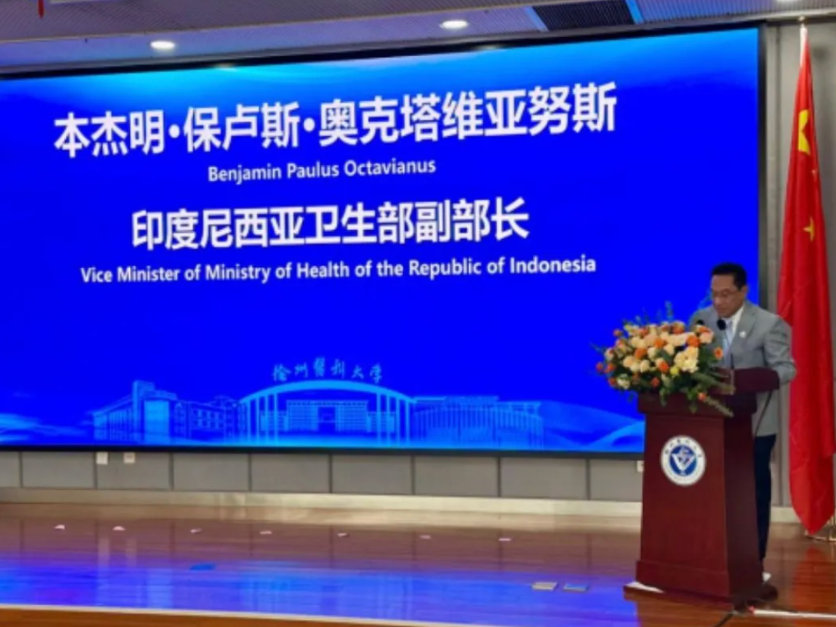
Indonesia, China launch joint lab to advance AI-driven healthcare
Indonesia and China have launched a joint laboratory dedicated to advancing artificial intelligence in healthcare, marking a significant step in strengthening digital health collaboration and domestic medical innovation. Speaking on the initiative, Benjamin Paulus Octavianus said the partnership between the Ministry of Health, Xuzhou Medical University and the National Standardization Agency will support applied research, standardisation and the safe deployment of AI in medicine, while accelerating health system reform and strengthening Indonesia’s medical devices industry.
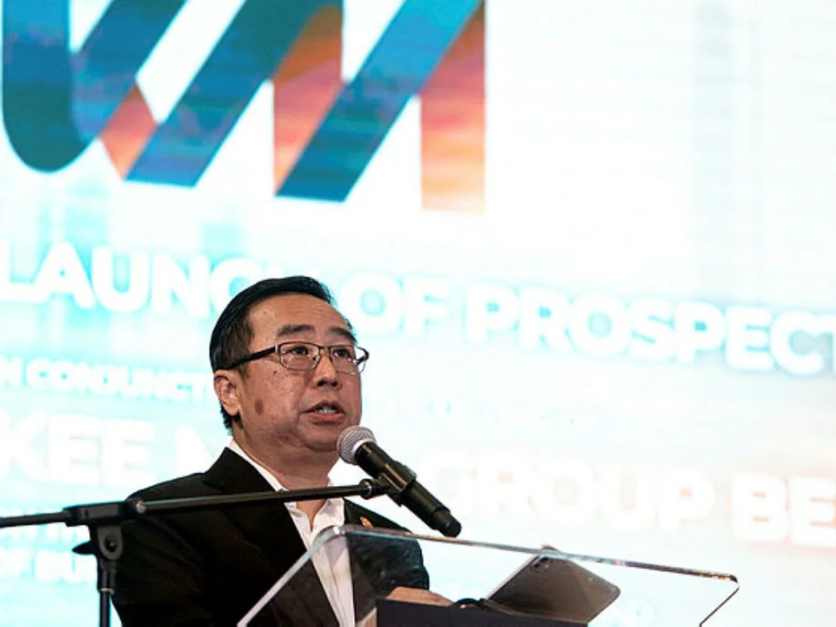
Malaysia drives AI and smart tech for industrial competitiveness
Malaysia is accelerating the adoption of artificial intelligence, smart systems and green technology to strengthen industrial competitiveness and drive real-world digital transformation, according to Chang Lih Kang. Led by the Ministry of Science, Technology and Innovation, the national agenda focuses on smart manufacturing, automation and high-value engineering to enhance productivity, sustainability and long-term economic resilience across key industrial sectors.
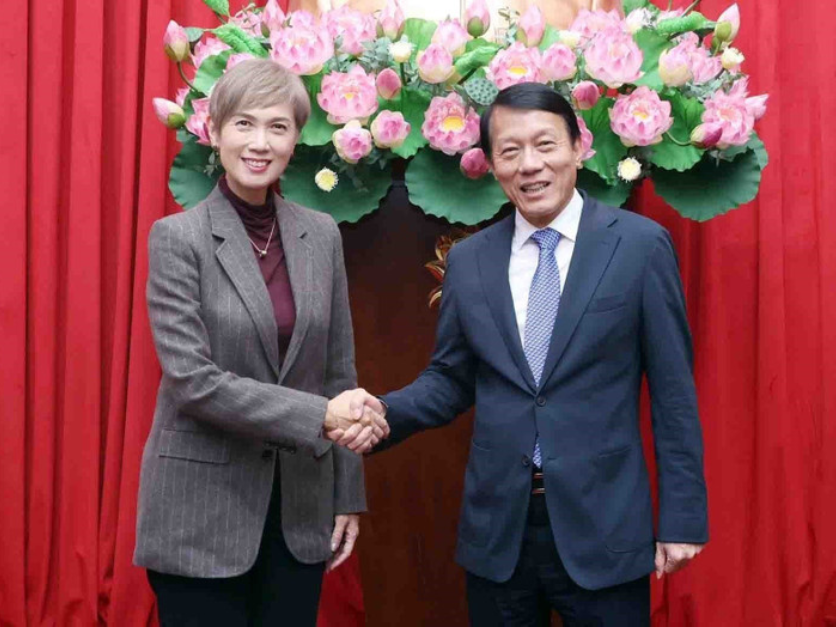
Vietnam, Singapore promote cooperation in cybersecurity, digital transformation
Vietnam and Singapore are advancing bilateral cooperation in cybersecurity and digital transformation, with a renewed focus on training, capacity-building and the protection of personal data. Building on existing agreements, the two sides will strengthen collaboration on legal frameworks, cybercrime prevention and secure data governance, while supporting national digital transformation and the development of a safe, trusted and sustainable digital environment in both countries.
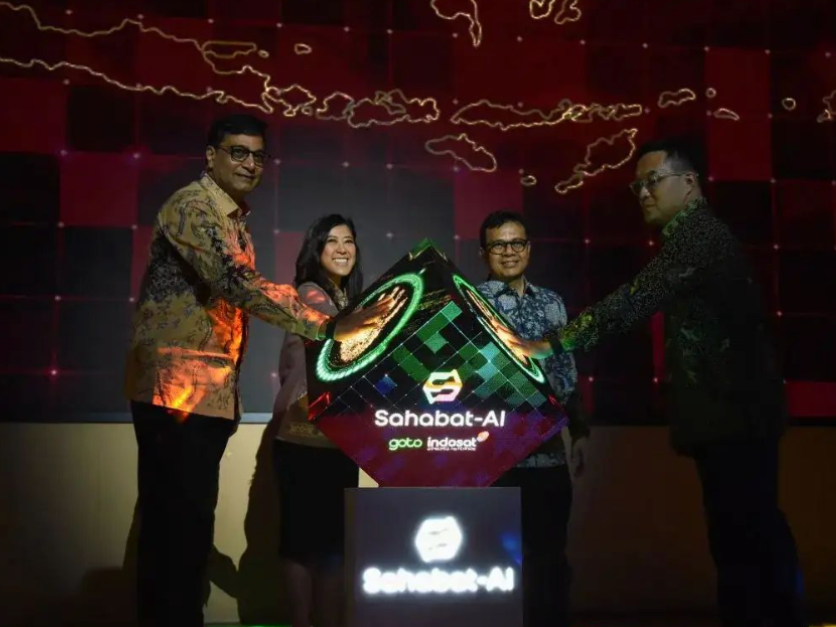
Indonesia Moves Toward National AI Regulation
Indonesia is moving closer to establishing a national framework for artificial intelligence regulation, with the government preparing an AI Roadmap and AI Ethics guidelines to be formalised under a Presidential Regulation by early 2026. Led by the Ministry of Communication and Digital, the initiative aims to provide legal certainty, safeguard citizens’ rights and support responsible AI adoption across strategic sectors. Experts emphasise the need for a risk-based, sovereign and adaptive approach that protects data, clarifies accountability and strengthens local innovation without stifling technological progress.
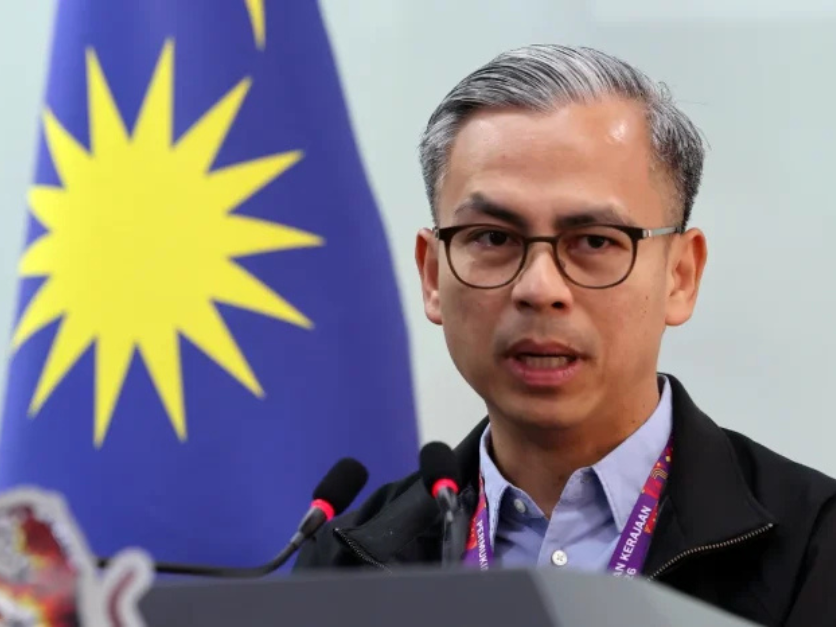
Defence ministry prioritised for ESG framework to boost transparency
Malaysia’s Ministry of Defence has been prioritised for the adoption of an Environmental, Social and Governance (ESG) framework, reflecting the scale of its procurement activities and the need for stronger transparency and accountability. The initiative, supported by digitalisation efforts led by the Digital Ministry and the National Digital Department, aims to enhance governance, reduce risks of leakages and align public sector practices with sustainable and responsible standards.




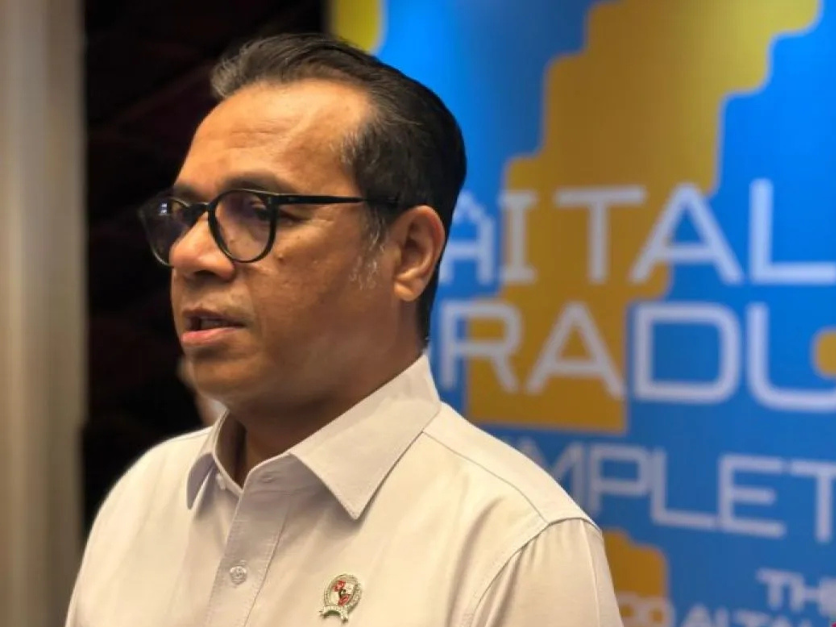
Ministry wants to develop sovereign AI through "AI Talent Factory"
Indonesia is seeking to develop independently built “sovereign AI” through its AI Talent Factory programme, aiming to create artificial intelligence models that reflect national values and priorities. The initiative is part of a broader effort to strengthen the country’s AI ecosystem and reduce reliance on foreign technologies.
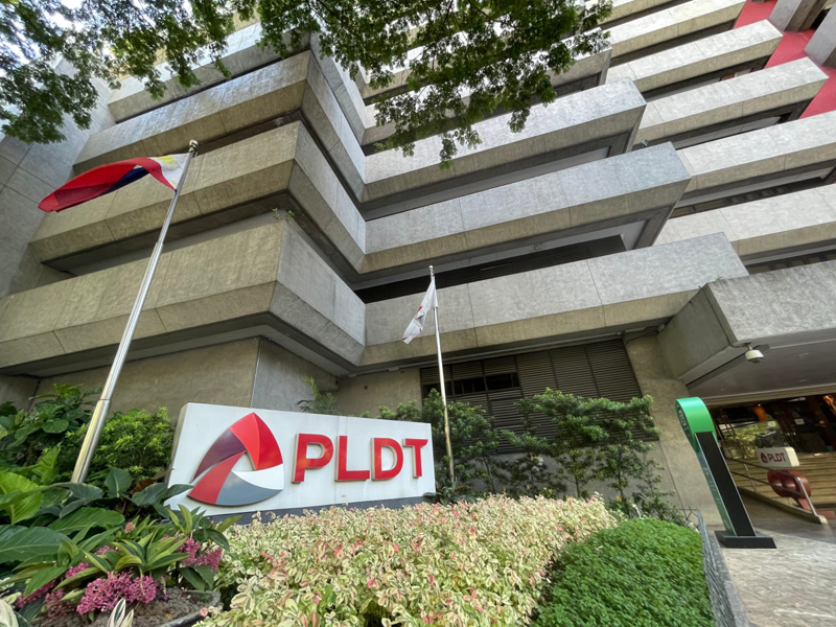
PLDT: AI crucial for Philippine economic growth
PLDT says artificial intelligence is critical to accelerating the Philippines’ economic growth, with the potential to add up to 12 per cent to GDP by 2030. The telco emphasised that realising AI’s impact depends on strong infrastructure, world-class talent, and trusted governance to deliver measurable economic and social outcomes.
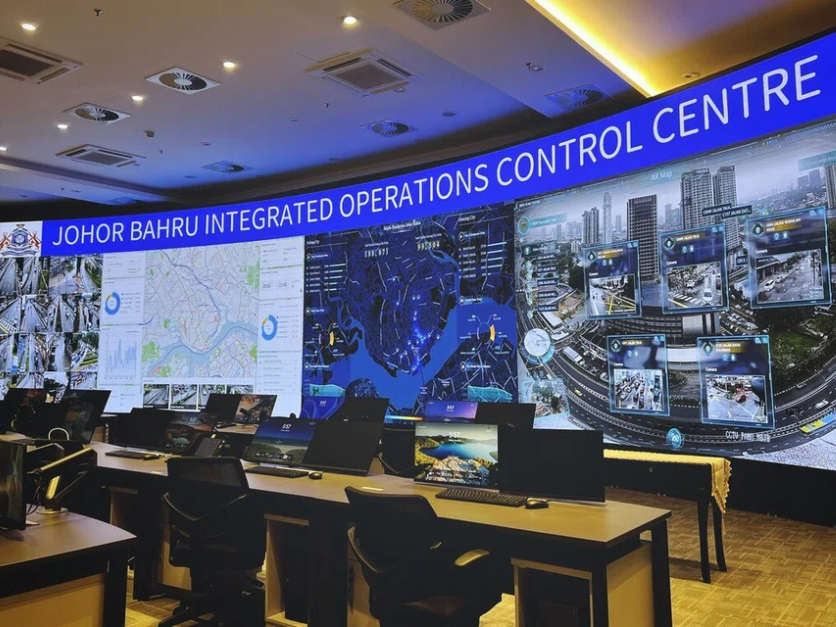
In JB – Malaysia’s first ‘leading smart city’ – AI is used to ease jams and detect potholes
Johor Bahru has been named Malaysia’s first “leading smart city”, powered by an AI-driven integrated operations control centre that monitors traffic, detects potholes, and supports city management in real time. However, analysts and residents question whether technology adoption is translating into meaningful improvements on the ground.

Marcos: AI will ‘touch everything,’ urges policy preparedness
President Ferdinand “Bongbong” Marcos Jr. has warned that artificial intelligence will “touch everything,” urging the Philippines to strengthen its policy and regulatory preparedness. Speaking on the BBM Podcast, he noted that AI is rapidly expanding across education, infrastructure, and energy, creating both major opportunities and risks. Marcos said lawmakers must better understand emerging technologies to craft responsive legislation, especially as AI heightens concerns around job displacement, misinformation, and fabricated content. He emphasized that the country must balance innovation with safeguards and revealed that AI will be a key agenda item at the upcoming ASEAN Summit.

Malaysia's Tech Sector Rides Al, Data Centre Wave This Year And Into 2026
Malaysia’s tech sector continued its strong momentum in 2025, driven by rapid adoption of AI and a booming wave of data centre investments. Penang and Johor strengthened their positions as key technology hubs, attracting multinational firms in semiconductors and cloud infrastructure. Supported by MyDIGITAL initiatives, tax incentives, and new trade agreements such as DEFA and the US-Malaysia ART, the country saw record AI and data centre investment flows in the first half of 2025. With major commitments from global players like Microsoft, Google, Nvidia, and AWS, Malaysia is positioning itself as Southeast Asia’s next digital and AI powerhouse heading into 2026.
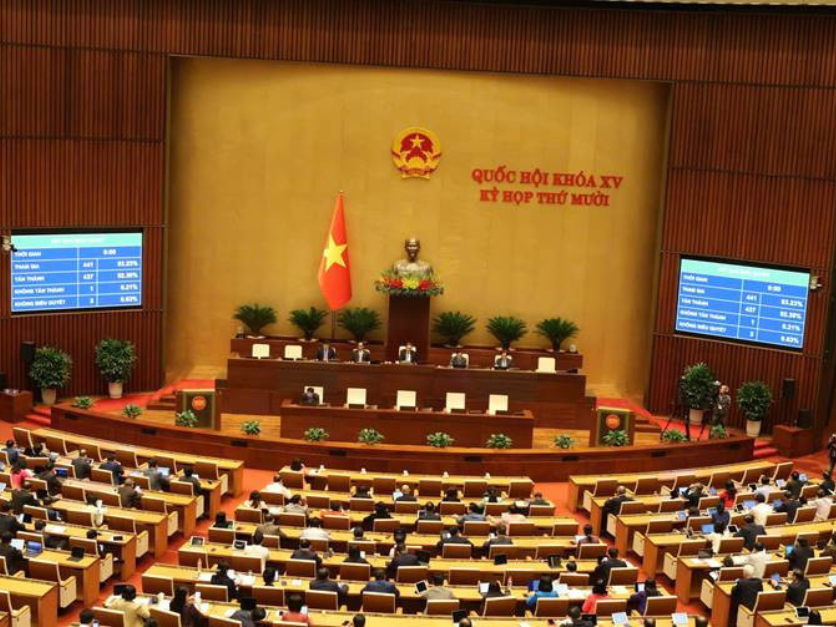
Vietnam passes amended law to boost high-tech innovation and talent
Vietnam’s National Assembly has passed an amended High Technology Law aimed at accelerating the country’s innovation and strategic technology development. Approved with 92.39% support, the revised law outlines stronger incentives for high-tech investment, digital and green transformation, R&D commercialization, and collaboration between academia and industry. It also establishes preferential policies to attract global talent and defines clear prohibitions to safeguard national interests. The law will take effect on July 1, 2026.

PH eyes stronger AI, cybersecurity partnership with global allies
The Philippines is strengthening its position in artificial intelligence and cybersecurity through deeper cooperation with key international partners, as envoys from Japan, Canada, Australia, the United States and the European Union reiterated their support at the Stratbase ADR Institute 2025 Pilipinas Conference. Japanese Ambassador Endo Kazuya highlighted the growing scale of global cyberattacks and underscored Japan’s commitment to helping enhance Philippine cyber capabilities through shared resources and closer coordination across the Indo Pacific. United States Embassy officials noted active collaboration with Philippine agencies on cybercrime operations and policy development, while also exploring technologies that reduce dependency on single suppliers. The European Union expressed interest in expanding cooperation on artificial intelligence, cyber readiness and maritime security, with discussions expected to progress during the upcoming Philippine EU Security and Defence Dialogue. Australia likewise confirmed the expansion of joint cybersecurity efforts with Philippine institutions.
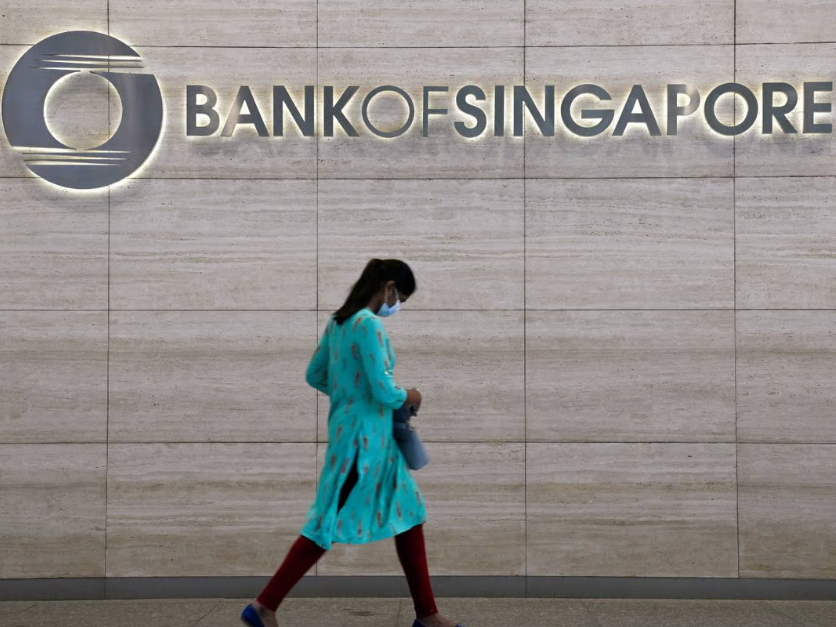
Bank of Singapore eyes hiring, tech to expand assets
Bank of Singapore is stepping up its push for scale, with CEO Jason Moo outlining plans to accelerate hiring and deepen investment in technology as the bank targets a top-five position among Asia’s private banks within the next three to five years. The bank’s assets under management have surged nearly 20% to more than US$145 billion in Q3, up from about US$120 billion when Moo took over in early 2023, despite raising its minimum account size from US$3 million to US$5 million. Asia’s continued rise in high-net-worth wealth — up 4.8% in 2024 — underpins the expansion opportunity. Relationship manager headcount has already grown from 400 to 500, and Moo expects another aggressive hiring phase in 2026. The bank is also preparing more customised offerings for ultra-wealthy clients holding US$100 million or more, strengthening its positioning in the region’s fast-growing wealth management market.
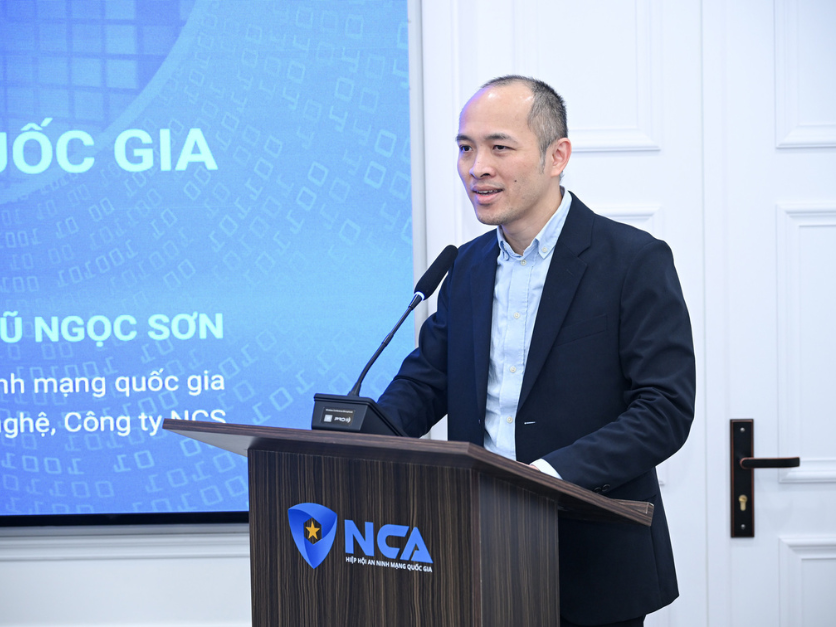
Cybersecurity certificate to become mandatory for corporate leaders in Vietnam
Vietnam’s Draft Cybersecurity Law 2025 introduces a major governance shift by requiring leaders of agencies, organisations, and enterprises to obtain a cybersecurity management certificate. This new mandate reflects the government’s belief that digital resilience starts at the executive level, not just within IT departments. Experts at a November 24 roundtable emphasised that the requirement is not a technical certification but a governance-focused credential designed to strengthen leadership’s role in protecting digital infrastructure and personal data. Officials warned that persistent vulnerabilities across government, banking, energy, and industrial sectors continue to expose the country to cyberattacks. With criminal liability on the table for negligent leaders—especially those overseeing critical or state-owned systems—the law signals Vietnam’s intention to enforce stronger accountability and embed cybersecurity into national and corporate decision-making.