
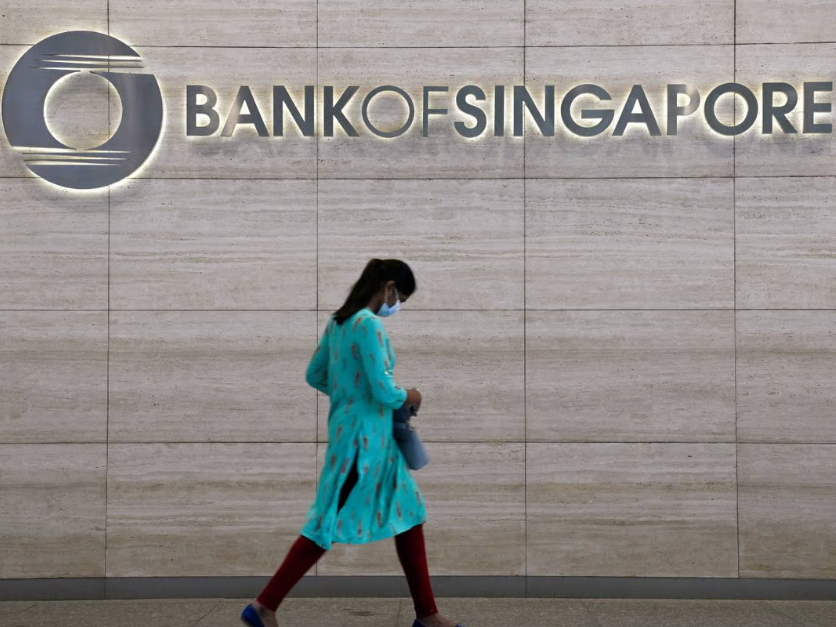
Bank of Singapore eyes hiring, tech to expand assets
Bank of Singapore is stepping up its push for scale, with CEO Jason Moo outlining plans to accelerate hiring and deepen investment in technology as the bank targets a top-five position among Asia’s private banks within the next three to five years. The bank’s assets under management have surged nearly 20% to more than US$145 billion in Q3, up from about US$120 billion when Moo took over in early 2023, despite raising its minimum account size from US$3 million to US$5 million. Asia’s continued rise in high-net-worth wealth — up 4.8% in 2024 — underpins the expansion opportunity. Relationship manager headcount has already grown from 400 to 500, and Moo expects another aggressive hiring phase in 2026. The bank is also preparing more customised offerings for ultra-wealthy clients holding US$100 million or more, strengthening its positioning in the region’s fast-growing wealth management market.
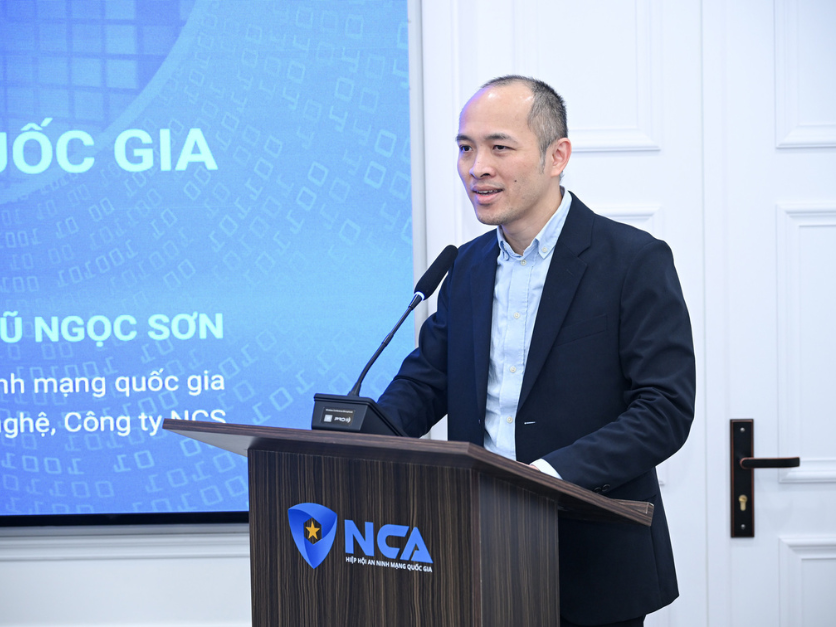
Cybersecurity certificate to become mandatory for corporate leaders in Vietnam
Vietnam’s Draft Cybersecurity Law 2025 introduces a major governance shift by requiring leaders of agencies, organisations, and enterprises to obtain a cybersecurity management certificate. This new mandate reflects the government’s belief that digital resilience starts at the executive level, not just within IT departments. Experts at a November 24 roundtable emphasised that the requirement is not a technical certification but a governance-focused credential designed to strengthen leadership’s role in protecting digital infrastructure and personal data. Officials warned that persistent vulnerabilities across government, banking, energy, and industrial sectors continue to expose the country to cyberattacks. With criminal liability on the table for negligent leaders—especially those overseeing critical or state-owned systems—the law signals Vietnam’s intention to enforce stronger accountability and embed cybersecurity into national and corporate decision-making.

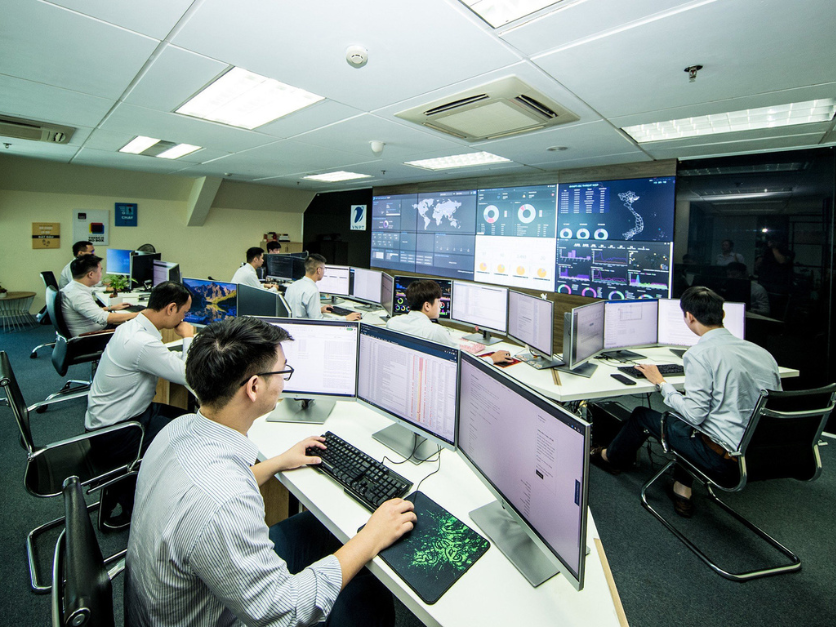
Vietnam pushes for cybersecurity autonomy to safeguard its digital sovereignty
Vietnam is accelerating its push for cybersecurity autonomy as digitalisation deepens across government, finance, energy, and telecommunications. With rising ransomware attacks, data theft, and state-linked intrusions targeting critical systems, the country sees self-reliance in cybersecurity as essential to protecting national infrastructure and digital sovereignty. New regulations, including the 2025 Cybersecurity Law, prioritise “Make in Vietnam” technologies, expand investment in cyber operations, and mandate higher competency standards for cybersecurity leadership. Alongside technological development, Vietnam is strengthening public awareness and international cooperation to build a resilient, sovereign digital future.

Fraud and scam claims against digital banks in Singapore on the rise
Scam and fraud claims against Singapore’s digital banks have surged, with 94 cases lodged in the first eight months of 2025 — more than double the total for 2024. Most cases involved compromised credentials and impersonation scams, with losses hitting $2.5 million. While the claims remain a small share of overall financial disputes, the proportion is rising quickly. Digital banks are responding with real-time monitoring, anti-scam prompts, and “speed bump” safeguards, even as regulators tighten sector-wide protections.
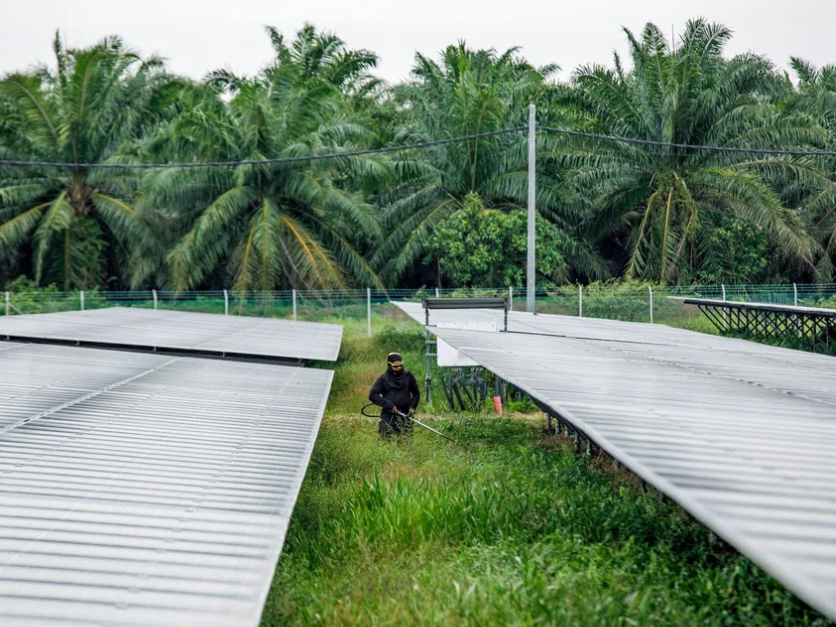
AI boom is turning Malaysia’s palm oil estates into data centres
Malaysia’s biggest palm oil companies are reinventing themselves as surprising players in the AI era, converting vast plantation land into sites for data centres and large-scale solar farms. With more than US$34 billion already flowing into Malaysia’s fast-growing data-centre market, palm oil giants such as SD Guthrie, KLK and IOI see an opportunity to supply both land and renewable power. But while the shift could boost profits and support Malaysia’s digital ambitions, critics warn it does little to address the industry’s longstanding environmental problems.

Singapore’s small size gives it an edge in building AI-ready workforce: Gan Kim Yong
Singapore’s compact size gives it a strategic advantage in rapidly building an AI-ready workforce, said Deputy Prime Minister Gan Kim Yong at the Singapore FinTech Festival 2025. With a smaller population, Singapore can more efficiently roll out nationwide AI literacy and upskilling initiatives. Gan outlined a three-tier approach to AI development: ensuring baseline AI understanding for all companies and consumers, enabling businesses to integrate AI into their operations, and advancing cutting-edge AI technologies. He emphasised that both employers and employees must treat training as a long-term investment, as jobs continue to evolve with technological change. Keeping skills relevant, he noted, is essential for Singapore to stay competitive in the global AI race.

Indonesian govt calls for joint enforcement of data protection law
Indonesia’s Ministry of Communication and Digital Affairs is calling for stronger public–private collaboration to enforce the Personal Data Protection (PDP) Law, stressing that public trust is now a crucial “digital currency.” Deputy Minister Nezar Patria warned that millions of data breaches in 2023 — most involving theft of personal information — threaten the nation’s rapidly growing digital economy. At a seminar in Jakarta, officials highlighted the need for joint enforcement, privacy-by-design practices, and stronger oversight to ensure innovation advances securely. Through initiatives like the Garuda Spark Innovation Hub, the government aims to unite enterprises, startups, academics, and regulators to build a trusted and competitive digital ecosystem.

Malaysia adopts AI to bolster national security ecosystem
Malaysia is accelerating the adoption of artificial intelligence (AI) to strengthen its national security ecosystem, announcing new resolutions focused on trend detection, smart border management, digital intelligence transformation, and AI-driven service delivery. At the AI Transformation for Security Symposium 2025, Home Affairs Minister Saifuddin Nasution Ismail emphasised that AI is now essential to combating modern threats such as cross-border crime, digital fraud, human trafficking, and advanced cyberattacks. The ministry will prioritise human capital development to equip officers with core and generative AI skills, positioning Malaysia to stay competitive and secure in the evolving regional landscape.

Malaysia Sets Sights On Top 20 In Global Innovation Index
Malaysia is strengthening its innovation agenda with a goal to rank among the world’s top 20 in the Global Innovation Index (GII). Prime Minister Anwar Ibrahim announced new cross-agency strategies to enhance governance, funding efficiency, and public-private partnerships under the National Science Council. These efforts align with the National STI Policy 2021–2030, supporting Malaysia’s ambition to become a high-technology nation grounded in MADANI values by 2030.

From gambling to AI: Indonesia rejects global digital colonialism
Indonesia is taking a firm stand against digital colonialism, linking President Prabowo Subianto’s warning on online gambling to broader global challenges of unregulated digital power. By promoting ethical AI governance, data protection, and fairness in digital ecosystems, Indonesia positions itself as a Global South leader in shaping inclusive, human-centered technology. Through domestic AI regulations and international cooperation via ASEAN, NAM, and BRICS, the country aims to ensure that technology serves humanity — not exploitation.

Thailand’s digital economy forecast to grow 4.2% in 2026, twice the pace of national GDP
Thailand’s digital economy is set to grow 4.2% in 2026, nearly double the country’s overall GDP growth, driven by AI adoption, data centre expansion, and rising tech investment. Despite global trade slowdowns, the digital sector remains Thailand’s key economic driver, supported by the government’s “Cloud First” policy and growing demand for smart devices, software, and digital content.

Vietnam accelerates plans for national AI supercomputing center
Vietnam is fast-tracking plans to establish a national AI supercomputing center and shared open AI data platform as it doubles down on becoming a regional AI powerhouse. At the Vietnam-Korea Digital Forum, leaders outlined a strategy centered on AI infrastructure, data, talent development, and startup support. With unprecedented AI adoption and ambitious 2030–2045 targets, Vietnam aims to stimulate “Make in Vietnam” AI innovation, build domestic computing capacity, train 50,000 AI experts, and strengthen partnerships with South Korea to drive technology growth and digital transformation.

Minister urges workers to prepare for AI, green industry shift
Indonesia’s Manpower Minister Yassierli has urged workers to prepare for rapid changes driven by artificial intelligence and the global shift toward green industries. Warning that foreign talent could fill domestic roles if the workforce is not ready, he stressed the importance of upskilling, labor union support, and revitalizing Indonesia’s traditional values of cooperation and consensus. The minister called for inclusive industrial transformation to ensure shared progress across companies, workers, and MSMEs.

Asean must tackle evolving cyber and tech threats from non-state actors, says defence minister
ASEAN must strengthen unity and adapt to fast-evolving security threats beyond traditional territorial disputes, Malaysia’s Defence Minister Datuk Seri Mohamed Khaled Nordin said at the 19th ASEAN Defence Ministers’ Meeting in Kuala Lumpur. He stressed that cyberattacks and weaponised technologies developed by private entities now pose significant risks, urging member states to build collective strategies to remain resilient against non-state actors and unconventional threats.

Malaysia Calls On Japan To Play Greater Role In Technology Transfer To ASEAN
As ASEAN Chair, Malaysia is urging Japan to take a larger role in technology transfer and front-end semiconductor investment across the region. Foreign Minister Datuk Seri Mohamad Hasan highlighted the importance of Japan’s strategic contribution to AI and high-tech industries, reinforcing ASEAN’s goal of boosting regional innovation and economic competitiveness.

Thailand Courts South Korean Investment in AI and Future Industries
Thailand is courting South Korean investment to accelerate its digital transformation and strengthen future industries. During a bilateral meeting at the 32nd APEC Finance Ministers’ Meeting, Thailand’s Finance Minister invited South Korean expertise and capital in AI, semiconductors, smart healthcare, and electric vehicles, highlighting 2026 as the ‘Year of Thai Investment’ and promoting Public-Private Partnership mechanisms.

Ministry urges AI developers to uphold transparency, accountability
The Indonesian Ministry of Communication and Digital Affairs has urged AI developers to prioritise transparency, ethics, and accountability in creating AI innovations. With AI-based fraud causing losses of around US$42 million, the government is preparing a National AI Roadmap to ensure responsible AI adoption across key sectors, including health, education, finance, and transportation.

Budget 2026 lays strong foundation for Malaysia's deep-tech future
Malaysia’s Budget 2026, the first under the 13th Malaysia Plan (2026–2030), sets a strong foundation for the nation’s deep-tech and digital ambitions. With RM5.9 billion allocated to strengthen the AI sector and additional investments in semiconductors, green innovation, and digital infrastructure, the government signals its commitment to building a future-ready innovation economy. MIMOS Berhad emphasized that the budget supports research, technology commercialization, and talent development, ensuring Malaysia’s competitiveness in emerging technologies and global markets.

Philippines launches National AI Strategy
The Philippines has launched its first National Artificial Intelligence Strategy (Naisph), marking a major step toward an AI-driven future. Led by the Department of Science and Technology (DOST), the initiative calls for collaboration across government, industry, and academia to strengthen the nation’s AI infrastructure. DOST Secretary Renato Solidum Jr. highlighted ongoing efforts—such as investing in data centers, high-performance computing, and AI-powered innovations in disaster response and agriculture—to position the Philippines as a competitive player in the global AI landscape.