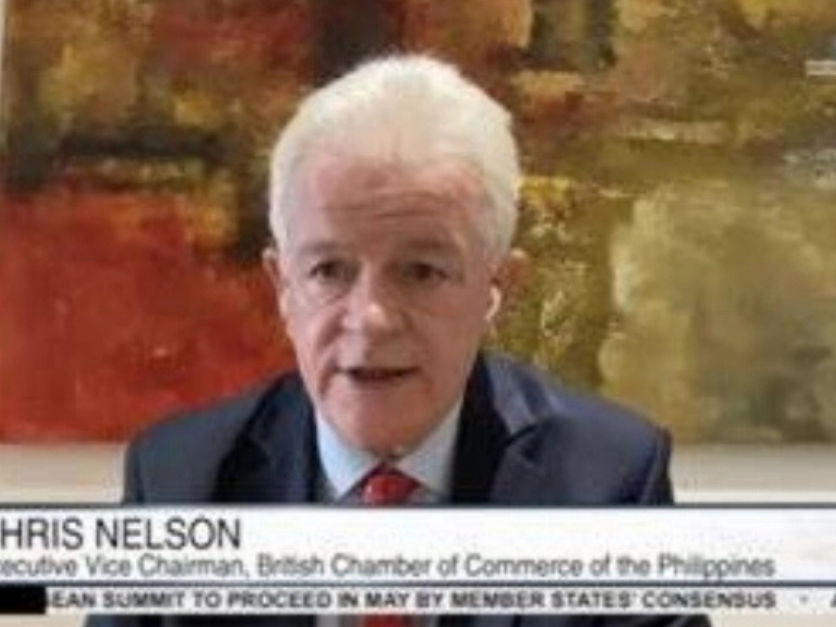
British Chamber urges cybersecurity reforms amid rising digital risks
As digitalisation accelerates in the Philippines, the British Chamber of Commerce is urging stronger cybersecurity reforms to address growing threats and geopolitical risks. With cybersecurity now a key investment consideration, strengthening national frameworks is seen as critical to protecting infrastructure, maintaining investor confidence, and enabling a secure digital economy.
To protect Filipinos, leverage tech: AI Bill of Rights pushed
Lawmakers in the Philippines are advancing an AI Bill of Rights to safeguard citizens from risks such as deepfakes, algorithmic bias, and data misuse. Under HB 2827, the proposed framework introduces new regulatory bodies, worker protection programmes, and ethical AI standards, aiming to balance innovation with accountability as AI adoption accelerates nationwide.
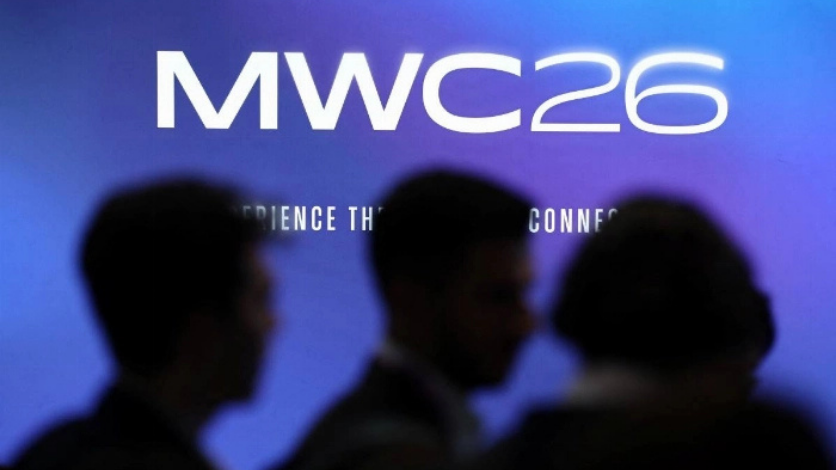
Globe CEO pushes AI-driven transformation
At MWC 2026, Globe CEO Carl Cruz showcased how AI is reshaping the telecom giant’s operations, from customer experience to workforce innovation. With initiatives like a Chief AI Officer, AI Innovation Hub, and ethical AI frameworks, Globe is advancing digital inclusion while building a more sustainable and connected Philippines.
South-East Asia revisits nuclear power plans for AI data centres as Iran war disrupts energy supplies
Countries across Southeast Asia are reviving nuclear energy plans to support the rapid expansion of AI-driven data centres and reduce reliance on volatile fossil fuel supplies. The shift reflects growing pressure to meet surging electricity demand while ensuring long-term energy security amid geopolitical disruptions.
Malaysia’s Geostrategic Position, Role in Technology Sectors Boosts Global Significance – MKN
National Security Council highlights Malaysia’s rising global relevance, driven by its strategic location along key trade routes and its role in semiconductors and emerging technologies. As AI reshapes modern security threats, the country is positioned to play a more critical role in global stability and digital-era defence.

Philippines declares national energy emergency as Iran war fuels oil shock fears
Ferdinand Marcos Jr. has declared a national energy emergency as escalating Middle East tensions threaten global oil supply and drive up fuel costs. The move signals growing concern over inflation, transport disruptions, and long-term energy security risks in a highly import-dependent economy.

PM issues plan to enforce Law on Cybersecurity
Vietnam is advancing the enforcement of its cybersecurity law through a national implementation plan covering regulations, training and compliance monitoring. The move signals increasing regulatory focus on cybersecurity, data protection and risk management for organisations operating in the country.

Malaysia strengthening AI, capabilities to safeguard technological sovereignty
Malaysia is strengthening its AI and digital capabilities to reduce reliance on external technologies and enhance national resilience. The move highlights a growing focus on technological sovereignty, responsible AI governance and secure digital infrastructure amid global uncertainty.
Indonesia's AI regulation to boost innovation, ethical standards
Indonesia is drafting a national AI regulation and roadmap to support innovation while ensuring ethical, transparent and accountable AI development. The initiative reflects a growing focus on balancing technological advancement with governance, data protection and risk management across ASEAN.
Bursa Malaysia: Broker-level cybersecurity incidents contained, market integrity intact
Bursa Malaysia said cybersecurity incidents reported at several brokerage firms were limited to the brokers’ internal systems and did not affect the exchange’s networks or trading platforms. Market operations continued as usual, while affected brokers conduct forensic investigations and review cybersecurity safeguards.

Philippines probing more Filipinos after alleged leak of sensitive data to China
The Philippines is investigating more individuals after three Filipinos were accused of leaking sensitive data to China, including information on resupply missions and internal discussions related to the South China Sea dispute. Officials warn that the suspects may have received significant payments, while China has denied the allegations.
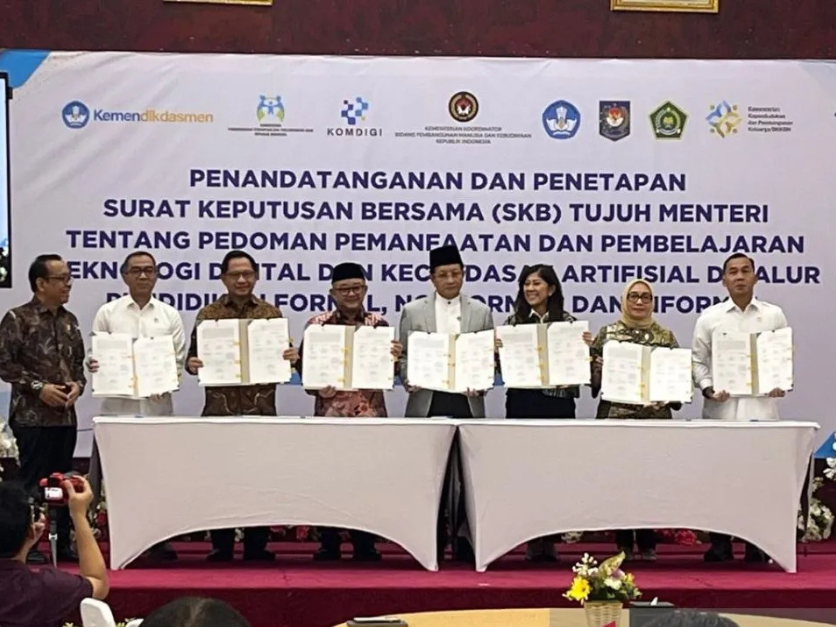
Indonesia sets rules for AI, digital tech use in education
Indonesia has issued new regulations governing the use of artificial intelligence and digital technology in education. Signed by seven cabinet ministers, the policy outlines age-based guidelines, permitted uses, and screen-time limits to ensure responsible technology adoption across schools while supporting digital learning.

Vietnam to establish national AI development fund
Vietnam’s Ministry of Science and Technology will establish a National Artificial Intelligence Development Fund for 2026–2027 as part of implementing the country’s new AI Law. The plan includes building AI clusters across high-tech parks, innovation centres and digital technology zones, supported by national datasets, AI regulations and a new ethics framework. Authorities also aim to strengthen AI infrastructure, develop human capital and coordinate nationwide AI governance to accelerate innovation while ensuring safety and regulatory oversight.

255 firms linked to Singapore’s critical infrastructure allegedly targeted in dark web leak
A leaked trove of 12,000 documents on the dark web alleges that 255 Singapore organisations connected to critical information infrastructure sectors—including telecommunications, energy and finance—were targeted in covert cyber operations. Cybersecurity experts warn that small and medium-sized enterprises in digital supply chains could be the weakest link as state-backed threats grow increasingly sophisticated.
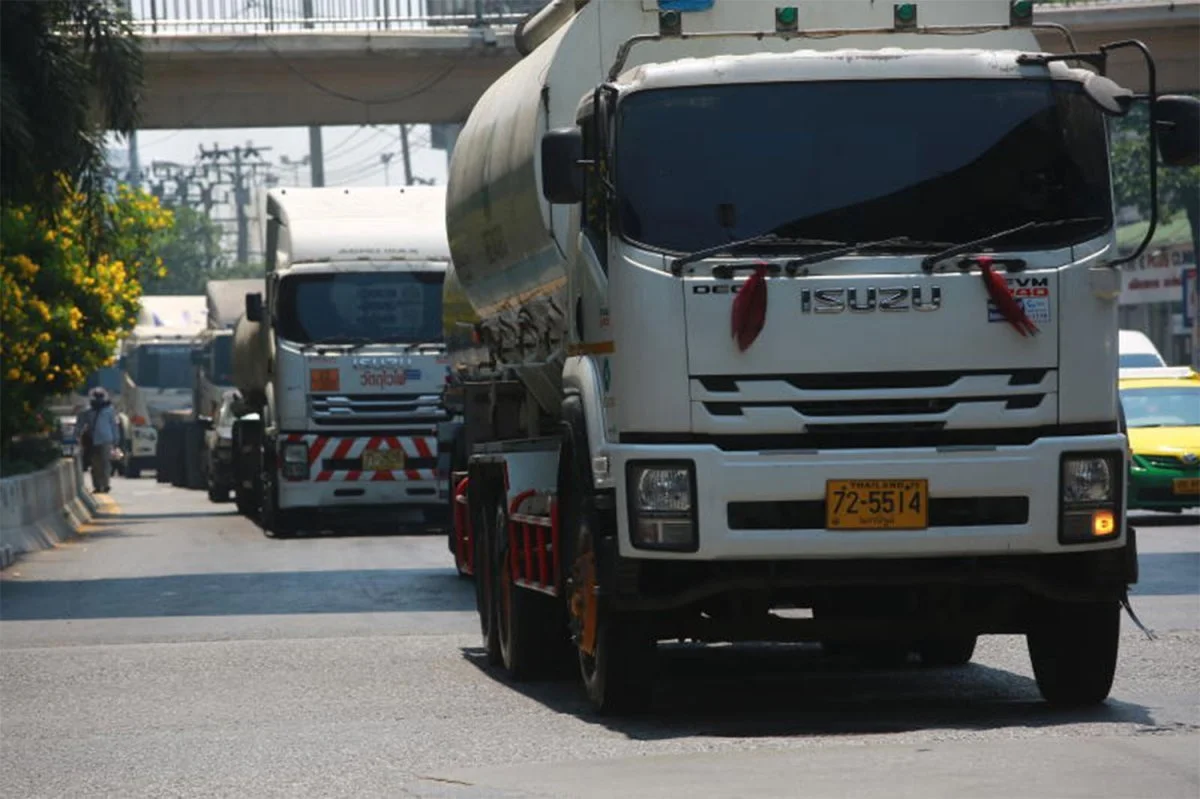
War to hobble supply chain as trade costs soar
Escalating conflict in the Middle East is raising serious concerns for global supply chains. Thai industry leaders warn that war-risk insurance premiums for shipping could surge by up to 400–500%, increasing freight costs and disrupting key maritime routes such as the Strait of Hormuz. As shipping capacity tightens and logistics costs climb, manufacturers and exporters in Thailand and across Asia may face growing pressure on trade and production.
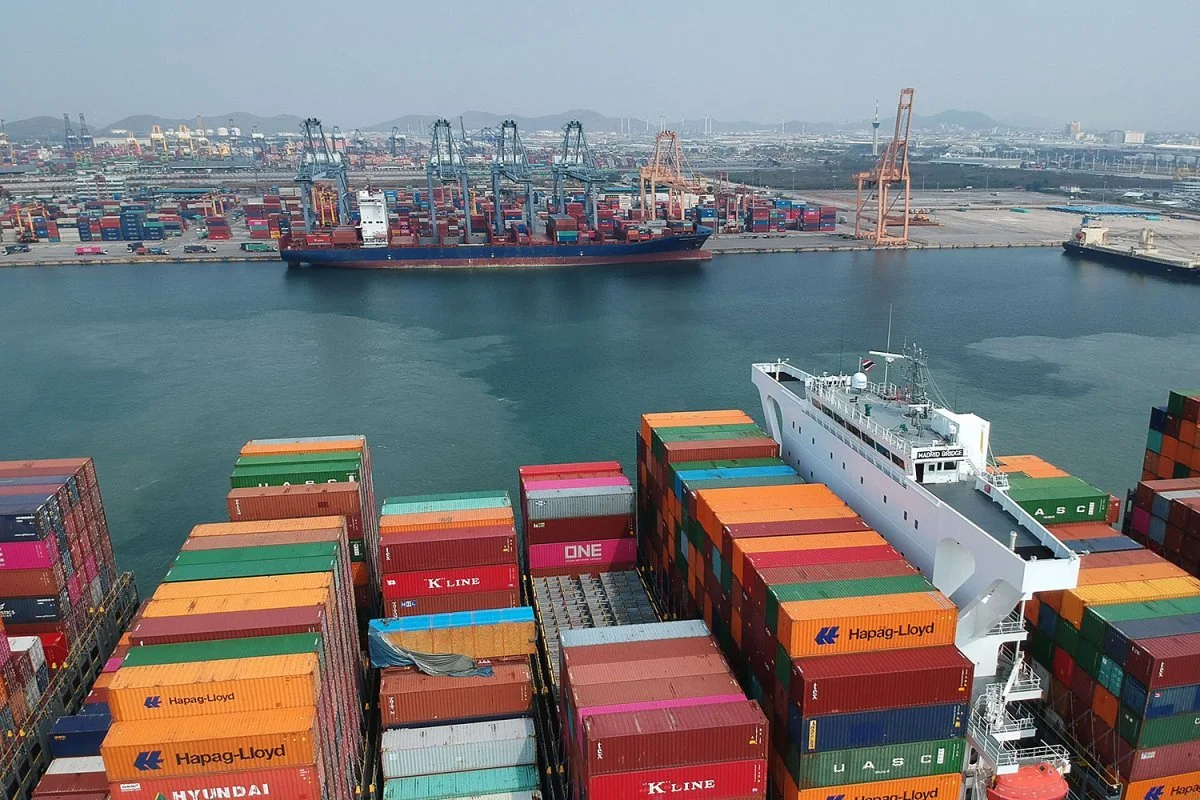
Navigating new currents: Thailand-US trade after the tariff ruling
A recent US Supreme Court ruling on tariff authority is reshaping Thailand–US trade dynamics. While the decision clarifies legal limits on emergency tariffs, protectionist measures and trade enforcement remain active. As Thailand’s exports to the US surge, businesses must strengthen supply chain resilience, compliance systems, and global partnerships to navigate a more volatile trade environment.
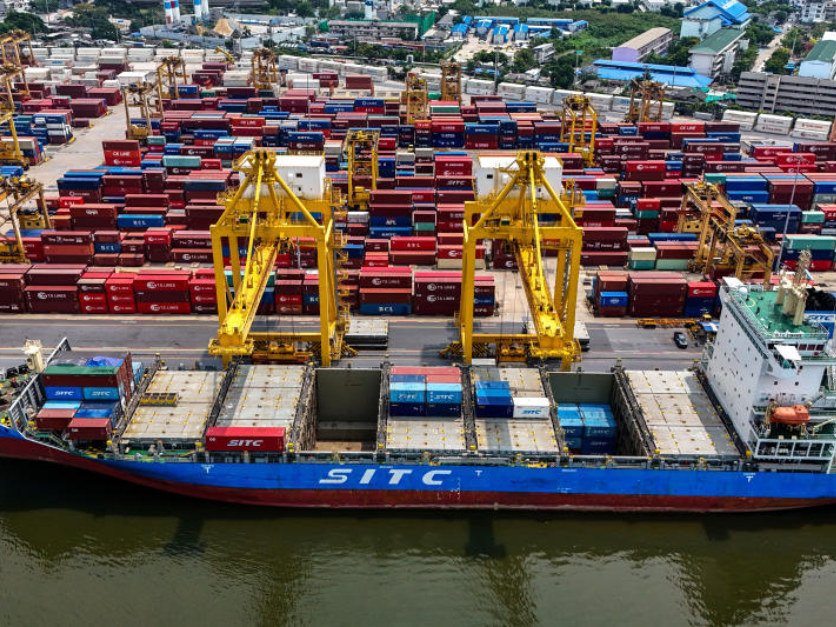
Thai exports jump most in four years on AI-led electronics boom
Thailand recorded its strongest export growth in four years in January 2026, with shipments rising 24.4% year-on-year amid surging global demand for AI-linked electronics and data centre infrastructure. Imports climbed 29.4%, reflecting increased purchases of raw materials and machinery, as Bangkok moves forward with US trade talks while balancing a widening trade surplus with the United States and a deficit with China.