
The Governance Imperative: Balancing AI Velocity with Digital Trust in Southeast Asia
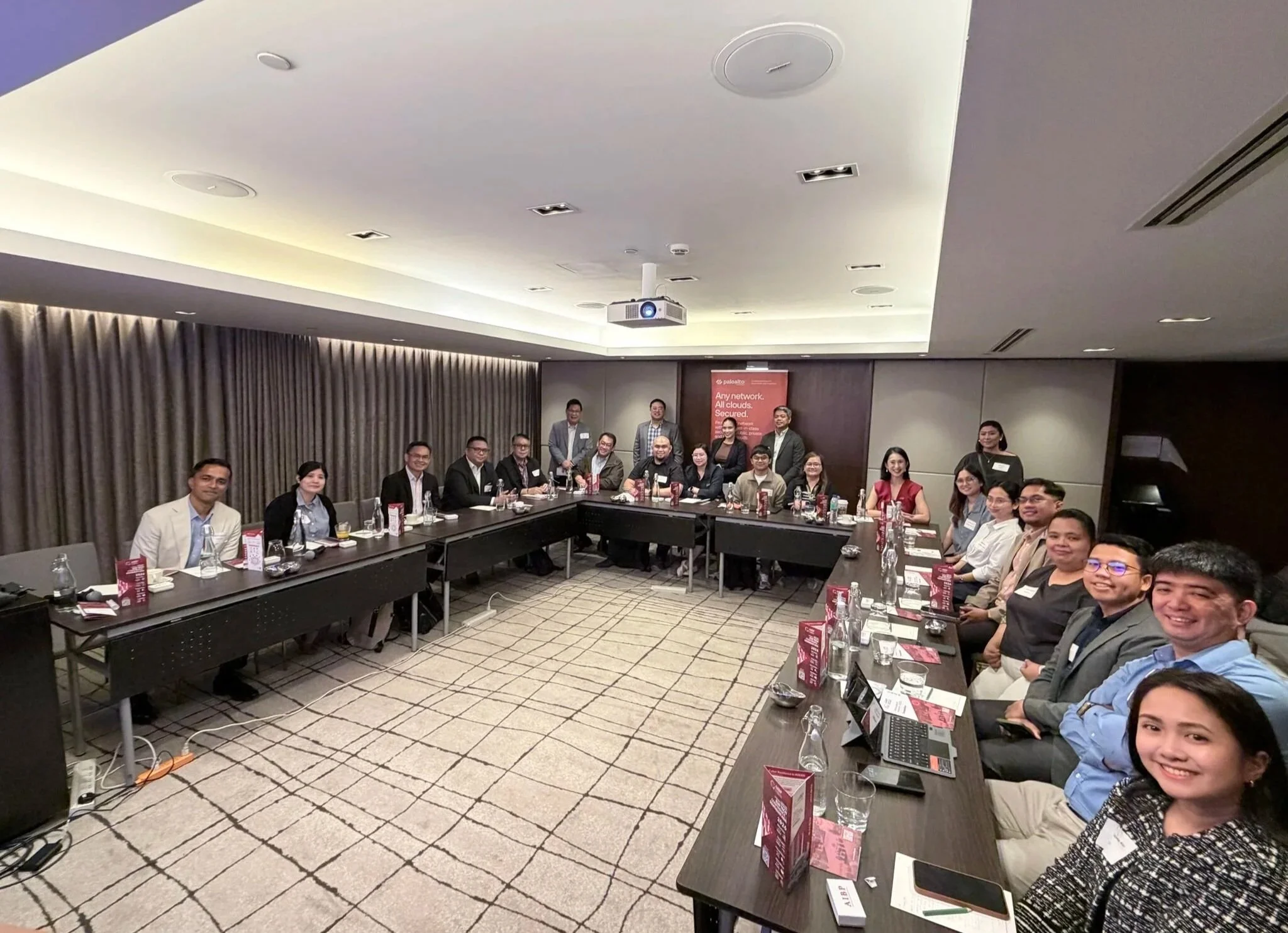
For enterprise leaders in Southeast Asia, the conversation surrounding Artificial Intelligence has shifted from speculative potential to the hard realities of operational integration. As CIOs, CTOs, and CDOs navigate a landscape defined by rising cost pressures and heightened risk exposure, the primary hurdle is no longer the technology itself, but the erosion of trust. The proliferation of sophisticated deepfakes and social engineering has created a climate where authenticity is a premium commodity. Consequently, managing identities and access for both human users and autonomous AI agents has become the foundational challenge for the region’s digital economy.
When Speed of Innovation Outpaces the Guardrails…
At the heart of the regional AI transition lies a fundamental trade-off: the drive for rapid innovation versus the necessity of rigorous governance. While the competitive pressure to deploy AI-enabled services is immense, it exists in direct tension with the fragmented regulatory landscape of ASEAN and the inherent "black box" nature of probabilistic models. Organisations are finding that "moving fast" without robust "brakes" leads to point-solution sprawl and significant legacy debt.
Regional Realities and Economic Risks
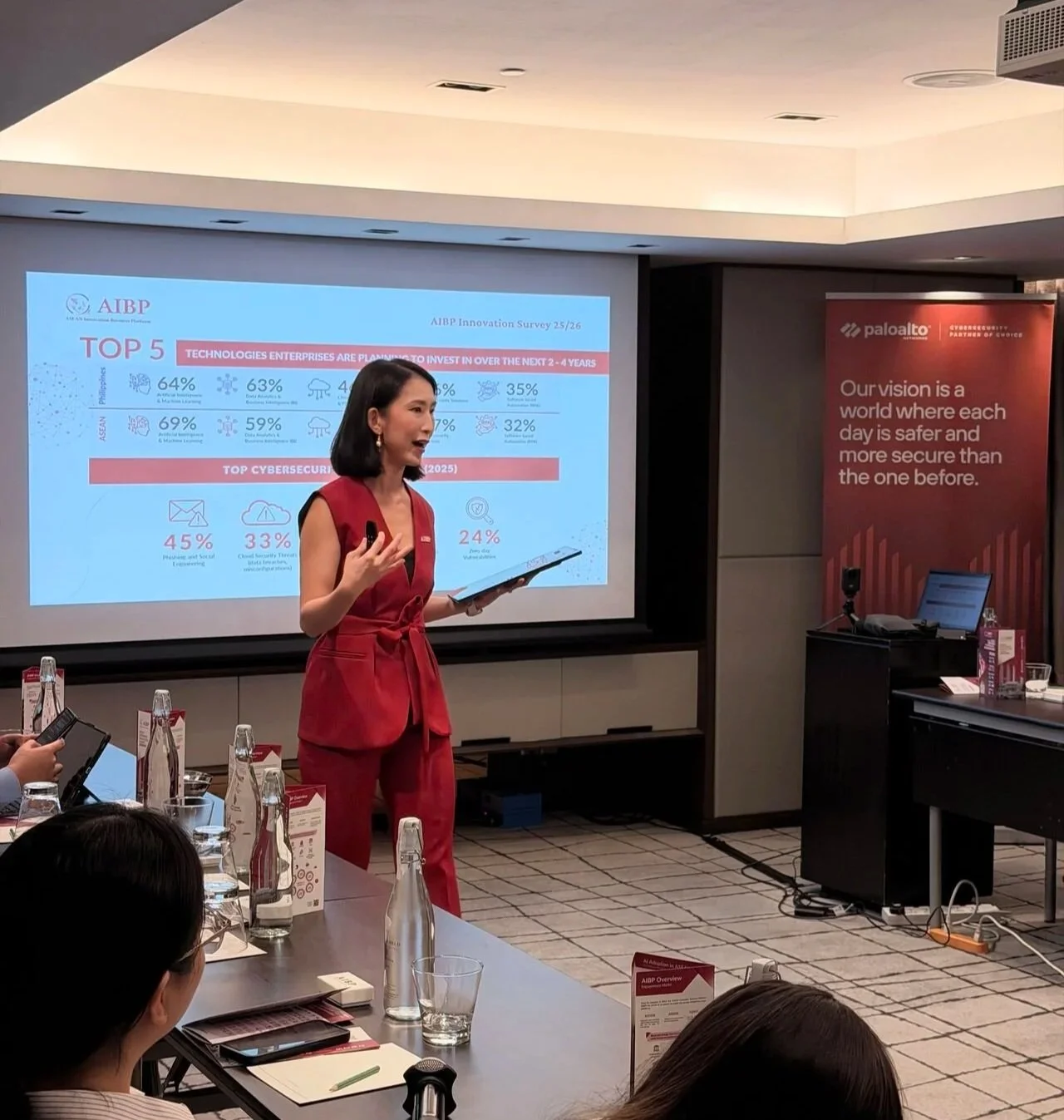
AIBP’s 2025–2026 insights, drawn from over 900 regional enterprise leaders, reveal that while AI/ML remains the top investment priority for 69% of them, cybersecurity has become its inseparable twin for 37% of the leaders. This is a marked shift from 2017, when security sat outside the top five priorities. In markets like the Philippines, strict data privacy laws and critical infrastructure oversight make security a non-negotiable prerequisite for any AI deployment. (You may view the full report here)
However, structural risks persist:
The Talent Chasm: A chronic scarcity of AI-specialised talent is forcing enterprises to choose between expensive "as-a-service" models or building internal Centers of Excellence (CoEs) to avoid long-term vendor lock-in.
Legacy Constraints: In the Energy and Utilities sectors, the integration of AI into Operational Technology (OT) remains high-risk. Legacy SCADA systems are often incompatible with modern AI agents, creating a dual-speed environment where IT innovates while OT remains cautious.
Shadow AI: The enthusiasm of business units often outpaces official policy, leading to the adoption of ungoverned tools that bypass traditional security gates.
From Gatekeeping to "Shift-Left" Governance
To resolve the tension between speed and safety, leading ASEAN enterprises are evolving their Enterprise Architecture from a "final sign-off" gatekeeper to a "shift-left" collaborator. By integrating compliance and security at the ideation stage, organisations like Metrobank and Meralco are aligning with international standards (NIST AI RMF, ISO 42001) while meeting local mandates from regulators like the Bangko Sentral ng Pilipinas (BSP).
Internal Audit functions are also undergoing a metamorphosis. Rather than acting purely as post-hoc evaluators, lean audit teams are leveraging AI to build "digital workforces," automating tedious data extraction to focus on high-level strategic advisory. This transition from "policing" to "enabling" is critical for managing the S-curve of AI maturity.
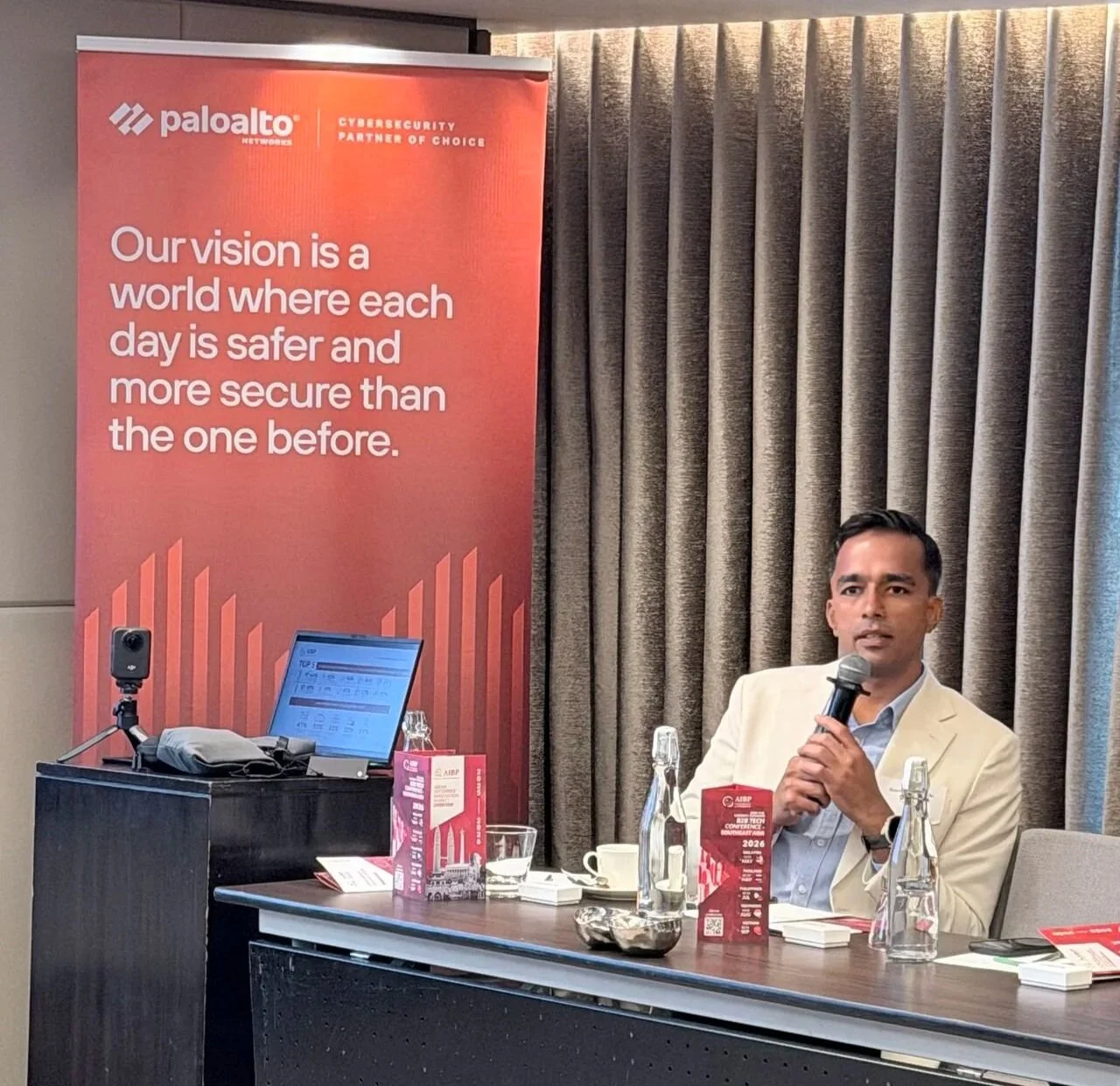
"The AI agent space is moving so quickly that we must return to first principles through a framework we call Secure AI by Design. This requires three critical actions: First, discover, you cannot protect what you cannot see. Second, govern, ensuring use cases align with best practices. Finally, protect at runtime. Because AI is probabilistic rather than deterministic, you must inspect production usage in real-time to detect bias or sensitive data leakage. If we don’t embed these principles now, we will recreate the same fragmented security challenges the industry faced during the shift to cloud."
Siddharth Deshpande, Director - Industry Solutions, JAPAC, Palo Alto Networks
What This Means for the Philippine Enterprises
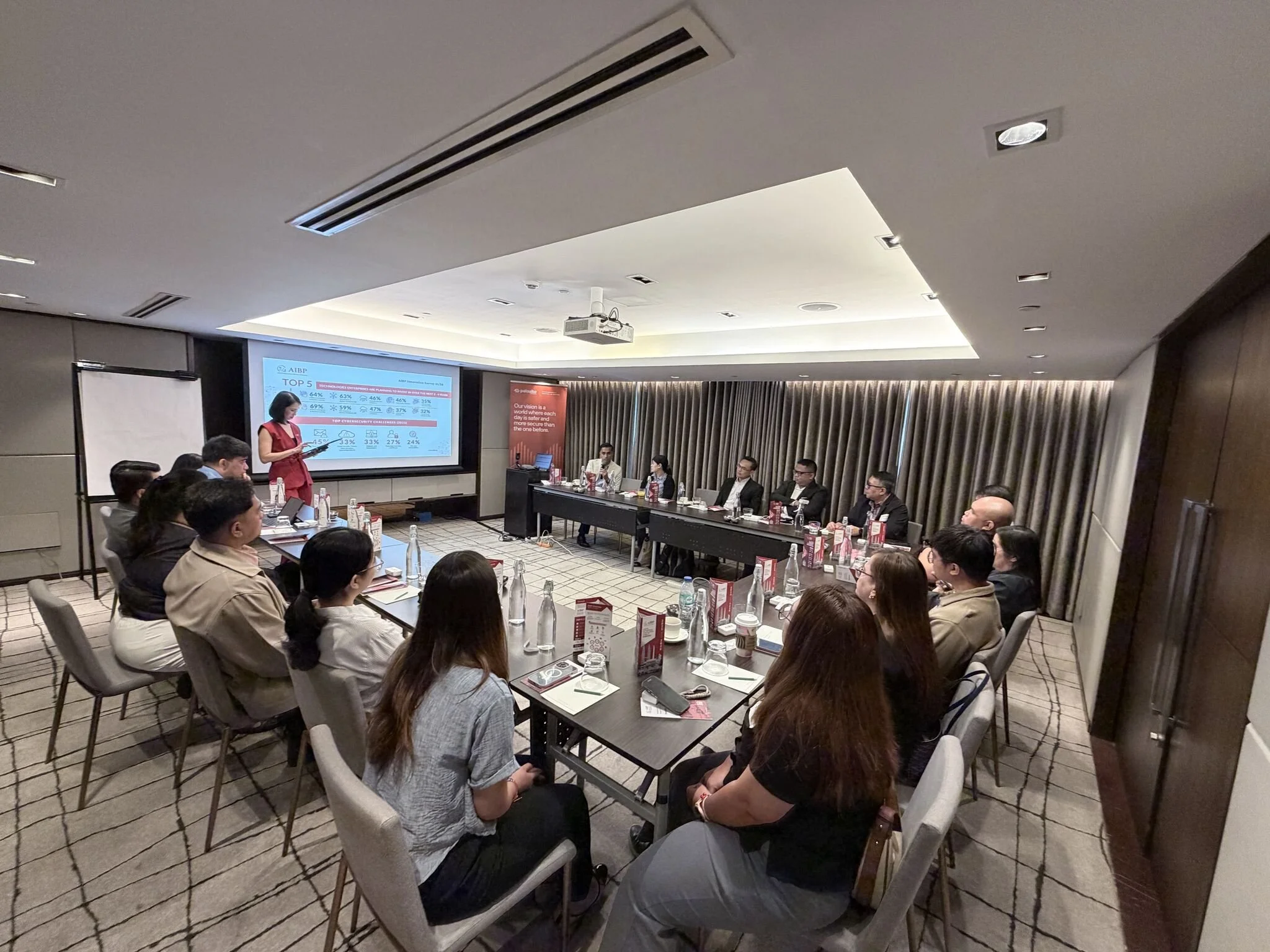
Operationalise "Secure by Design": Move beyond blanket "stop" policies for AI. Implement dashboards that provide visibility into employee AI usage, enabling preferred tools with built-in guardrails (e.g., blocking PII uploads) while restricting unvetted platforms.
Prioritise Data Pipeline Integrity: Address the "garbage in, garbage out" risk by establishing single sources of truth. Robust data governance is the only way to ensure that unsupervised Large Language Models (LLMs) produce actionable insights rather than hallucinations.
Bridge the IT/OT Divide with Layered Defence: For industrial sectors, maintain a clear separation between innovative IT layers and conservative OT environments. Use AI-driven security platforms to monitor for threats in IT while adopting a "secure-by-design" approach for any remote updates to critical infrastructure.
Invest in Persona-Based Upskilling: AI literacy is not one-size-fits-all. Implement tiered training—from management-level strategic oversight to developer-focused application security—to ensure the "human firewall" remains effective against evolving social engineering threats.
Conclusion
The stakes for Southeast Asian enterprises are clear: those who fail to anchor their AI ambitions in a culture of governed trust risk not only financial loss but a total breakdown of brand reputation. We will be continuing the discussion on 15 April in Manila, and you may register your interest here. The path forward requires balancing the velocity of agentic AI with the strength of established frameworks. By treating governance as a value-driver rather than a blocker, regional leaders can transform AI from a source of volatility into a sustainable engine for growth.
To explore how these benchmarks apply to your specific industry or to join our upcoming peer-learning sessions, please reach out to us to find out more.
About ASEAN Innovation Business Platform (AIBP)
Since its inception in 2012, ASEAN Innovation Business Platform (AIBP) is an initiative focused on enabling innovation and strategic partnerships across public and private organisations in Southeast Asia. Through curated engagement activities, AIBP supports the growth of regional government agencies, enterprises and solution providers in navigating key themes such as innovation, digital transformation, and sustainability.
Learn more at www.aibp.sg
