
AI Spending Is Rising. Structural Readiness Is Lagging.

AI investment across Southeast Asia has shifted from experimentation to committed budget. AIBP’s 25/26 Enterprise Innovation Market Overview shows that 69% of organisations plan to invest in AI within the next two years, up from 34% in 2020. Eight in ten expect moderate to extensive investment.
The issue for Indonesian enterprises is whether they can scale it without increasing operational risk, cost exposure or instability in already complex environments.
The core challenge shaping this shift is clear: speed versus control. Boards want visible progress. Technology, risk and compliance teams are responsible for stability, auditability and continuity. Once AI enters core systems, this challenge becomes structural.
The Gap Between Spending and Capability
In AIBP Data AI in ASEAN Report x Red Hat report, more than 40% of respondents described their AI stage as piloting and 31% as exploring. Only 18% report scaling, and fewer than 5% consider themselves advanced. Many enterprises are building momentum. Fewer have built the foundations required to scale safely.
Pilots build confidence, not operational capability. Scaling AI means embedding it into systems that must meet strict response times, uptime standards and regulatory controls.
The constraint sharpens as organisations move beyond traditional analytics. Generative and agentic AI introduce new workload patterns, and many legacy environments built for earlier big data architectures cannot support them without redesign. What looks like progress in a pilot often becomes expensive and fragile when it is forced into production.
When AI Moves into Production, Performance Becomes Non Negotiable

In banking environments, AI only becomes useful when it behaves like a dependable service. It must respond within tight thresholds, hold steady during predictable peaks such as payday cycles, and avoid introducing new instability into customer-facing journeys. Reliability is expected, not optional.
This reframes how leaders should evaluate AI. Beyond model output quality, the real test is operational performance: continuity, latency tolerance and resilience under stress. As Chris Wijaya, Division Head Enterprise Data Analytics at Bank Sinarmas, noted, “Because this sits on the first layer and is directly consumed by customers, there must be no downtime. That’s why we need to ensure our infrastructure is fully ready.”
Infrastructure Is a Governance Decision
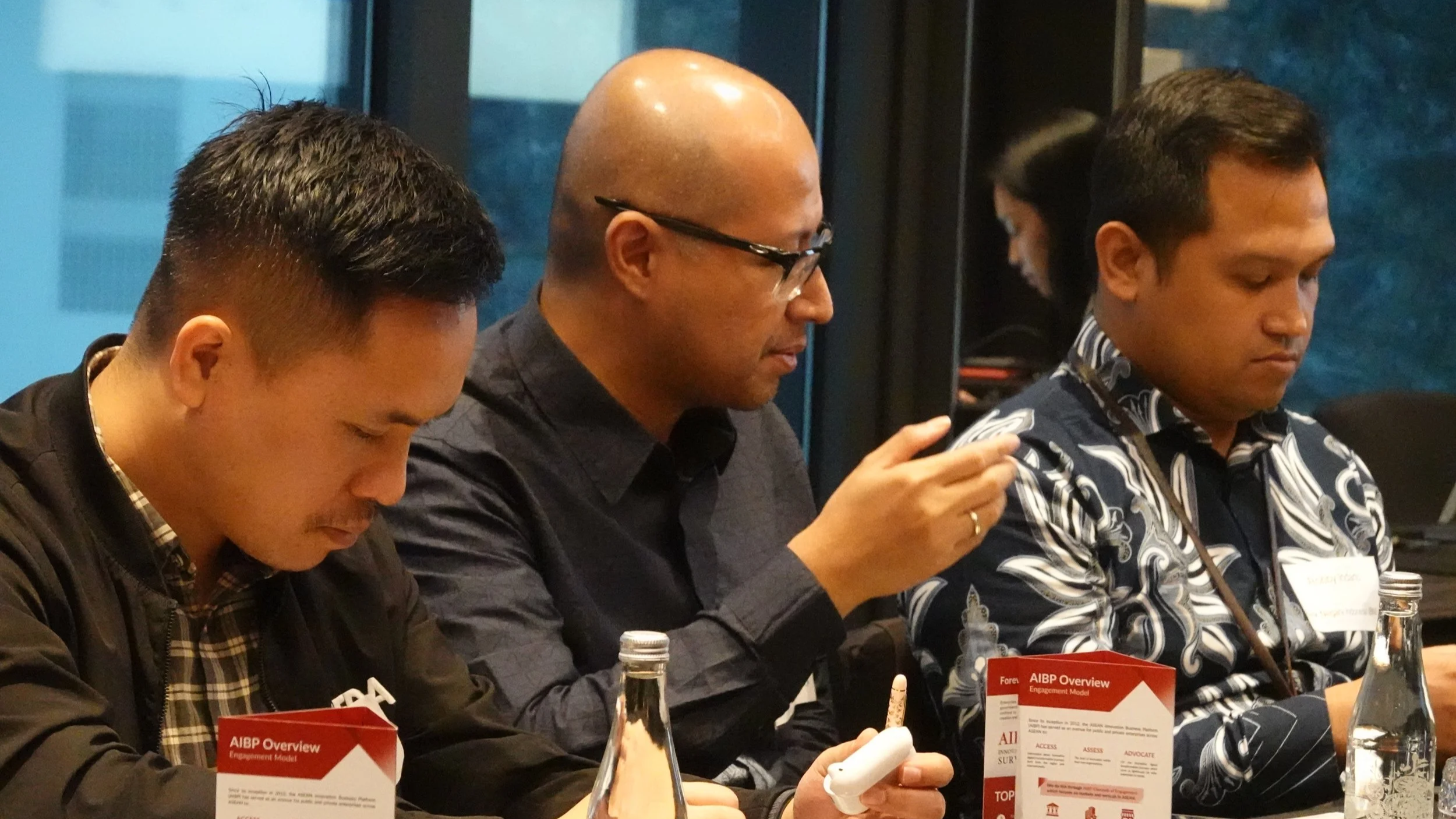
In regulated sectors, infrastructure choices are governance choices. Large enterprises operate hundreds of connected systems, and AI must not weaken those links or create blind spots in oversight.
Several leaders also described building internal guardrails ahead of formal regulation. AI is positioned to support decisions, not replace accountable roles. Handika Hakim, VP of Data Management and Analytics, BNI shared the practical stance: “We are not waiting for the government. We have defined our own framework for how AI should be used.” He emphasised why accountability matters in high risk domains: “Our AI is positioned to enhance decision making, not replace the decision maker.”

At the same time, leaders stressed that governance is inseparable from operational performance. Kurnia Sofia Rosyada, Group Head, SVP Enterprise Data Analytics, Bank Mandiri highlighted the practical bar for production systems, “You need to deliver response times below 200 milliseconds, at the expected scale of output.” She added that reliability under predictable surges is part of the requirement, “We need to be ready, especially during peak periods like payday, and it still has to work.”
In this setting, governance is not a policy document. It is built into daily operations through clear decision rights, data classification and deployment controls.
Sovereignty Shapes Architecture
For operators of national infrastructure, data sovereignty is a design constraint. Sensitive customer data may need to remain within defined boundaries, even as internal experimentation expands.
Hybrid architectures and strong data segmentation are emerging as practical approaches across ASEAN. When designed well, they allow innovation without breaching compliance. When designed poorly, they create duplication, weak oversight and inconsistent control.
The Hidden Cost Curve

As AI programmes expand, fragmentation becomes a risk. Separate stacks for transactions, analytics and AI lead to duplicated integration work, inconsistent standards and rising operating costs.
The financial impact often appears later, once scaling begins. Infrastructure upgrades, added security layers, integration work and scarce talent can push total cost beyond the initial investment. That is why integration discipline becomes a form of financial control, not just a technical preference.
In practice, this also forces capability decisions earlier. As Jenish Vyas, Regional Principal SE, SEA & Greater China, EDB noted, “You need to train your team properly. You also need to assess your platform choices early, especially in regulated contexts, and be confident they meet security requirements.”
Protecting Production While Preserving Speed
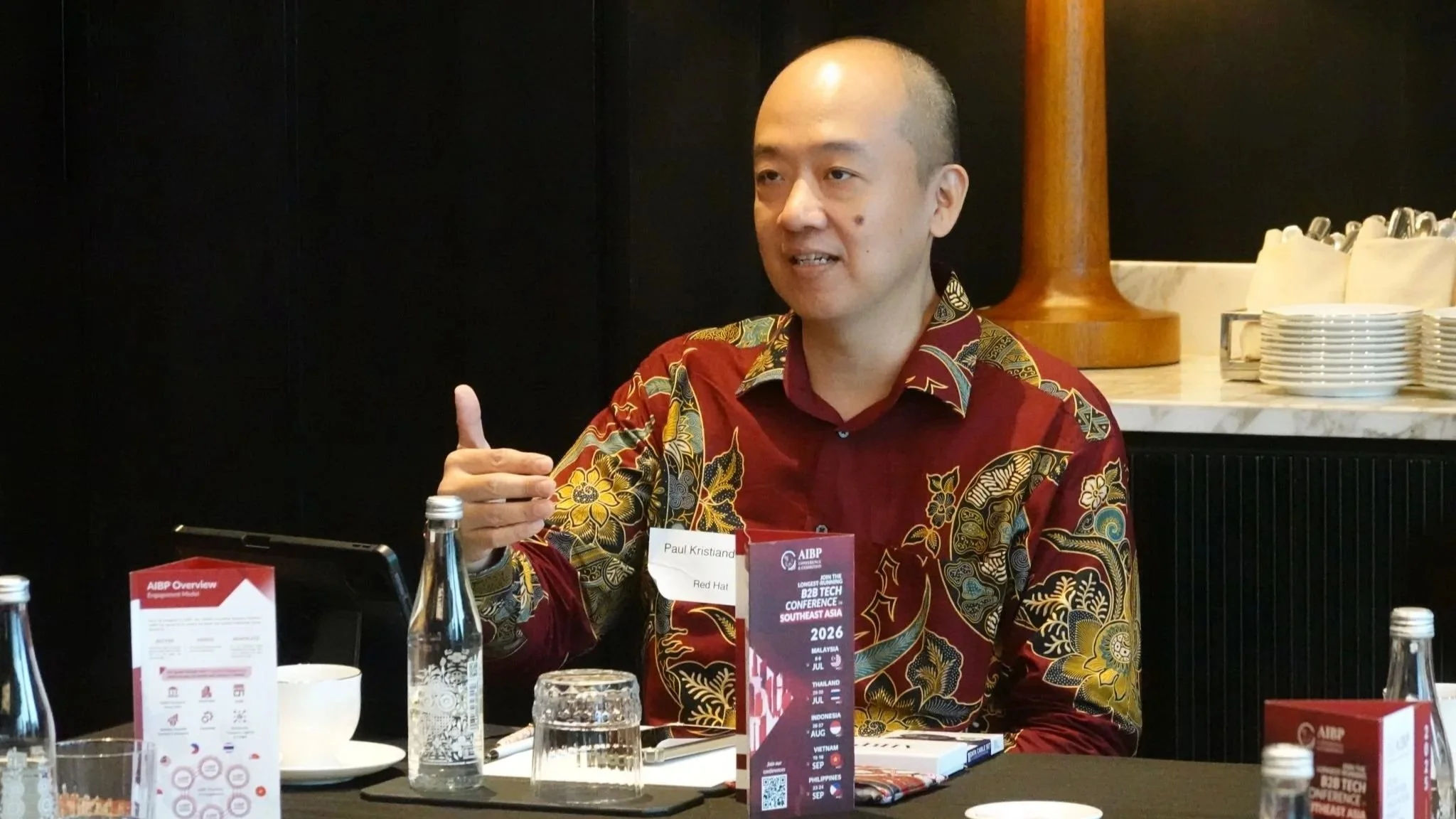
Some organisations separate experimentation from production to maintain learning velocity without destabilising core systems. Dedicated AI sandboxes allow teams to test without affecting live workloads, while structured collaboration models manage external engagement within defined limits.
The principle is simple. Innovation needs room to move. Production systems need stability. Mixing the two increases risk.
At the ecosystem level, Paul Kristiandi Tanu, Senior Manager Solution Architecture, Red Hat Indonesia emphasised that scaling safely requires coordination beyond any single team, “Customer principles as well as the ecosystem, should work together.”
What This Means for ASEAN Enterprises
Define production requirements clearly
Set explicit expectations for response times, reliability, audit trails and fallback options before AI is embedded into critical workflows.Treat generative AI infrastructure decisions as long term commitments
Plan for compute, operational controls and resilience as structural choices, not incremental upgrades.Build governance into delivery
Clarify roles, decision rights, data classification and deployment controls early, and embed them into day to day execution.Design with sovereignty and compliance in mind from the start
Use segmentation and hybrid approaches deliberately, so experimentation does not expand risk exposure.Reduce duplication and standardise integration
Control cost and complexity by minimising fragmentation and repeated controls across stacks.
Scaling Without Instability
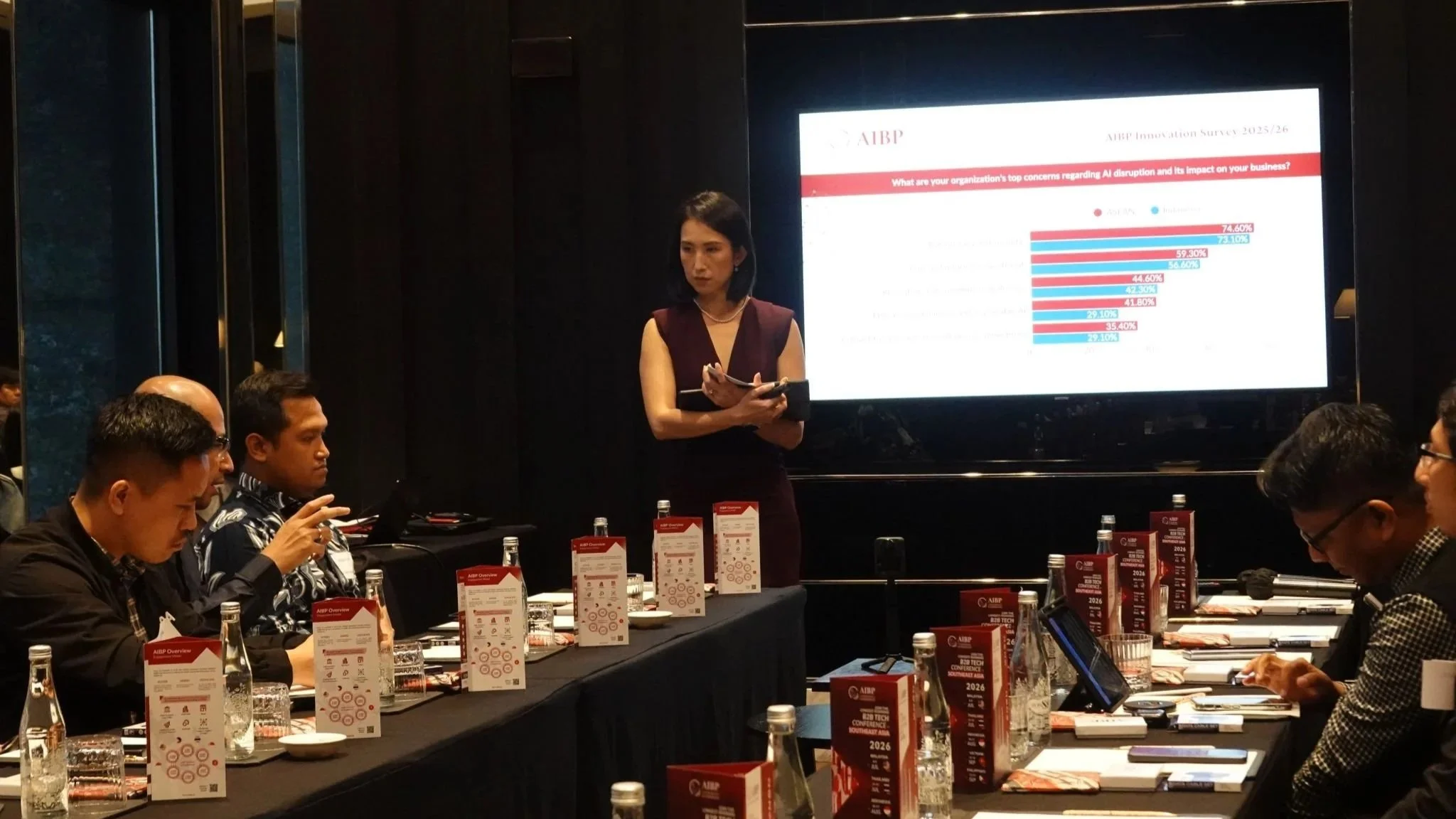
AI investment momentum across ASEAN is strong. But scale without discipline increases exposure.
Over the next three to five years, the differentiator will not be how many pilots an enterprise launches. It will be whether leaders can scale AI while maintaining control over resilience, cost and compliance.
The central challenge remains speed versus control. Enterprises that resolve speed versus control through disciplined design and embedded governance will turn AI investment into sustained capability rather than operational strain.
About ASEAN Innovation Business Platform (AIBP)
Since its inception in 2012, ASEAN Innovation Business Platform (AIBP) is an initiative focused on enabling innovation and strategic partnerships across public and private organisations in Southeast Asia. Through curated engagement activities, AIBP supports the growth of regional government agencies, enterprises and solution providers in navigating key themes such as innovation, digital transformation, and sustainability.
Learn more at www.aibp.sg
