
The Governance Gap: Balancing Rapid AI Adoption with Enterprise Risk in Southeast Asia

For Southeast Asian enterprises, the conversation around Artificial Intelligence has shifted from theoretical potential to operational necessity. As regional markets face intensifying cost pressures and a narrowing window for digital differentiation, the stakes for CIOs and CTOs are no longer just about deployment, but about structural integrity. In a landscape defined by fragmented regulatory frameworks and a chronic shortage of specialized talent, the haphazard adoption of AI, specifically "Shadow AI", creates a compounding layer of technical debt and compliance exposure that many organisations are ill-equipped to manage.
The Central Tension: Autonomy versus Oversight
The primary challenge facing ASEAN leadership is the friction between user-driven innovation and institutional governance. Employees, incentivised by productivity gains and often frustrated by legacy IT bottlenecks, are increasingly circumventing official channels to use unvetted AI tools.
While this "Shadow AI" indicates a healthy appetite for innovation, it creates a dangerous paradox: the very tools meant to drive efficiency are introducing unquantified risks in data residency, intellectual property leakage, and "hallucinated" decision-making. The trade-off is stark: allow total autonomy and risk a catastrophic data breach, or enforce rigid centralisation and risk operational stagnation.
Navigating the Philippines Regulatory and Economic Reality
The regional landscape adds a layer of complexity to this tension. In markets like the Philippines, the regulatory environment is tightening rapidly. The Bangko Sentral ng Pilipinas (BSP) and emerging AI governance bills are setting high bars for accountability, forcing banks and conglomerates to formalise their AI roadmaps.
According to AIBP's 2025/26 Enterprise Innovation Market Overview, the primary drivers for technology selection in Southeast Asia remain a triad of cost efficiency, regulatory compliance, and peer-driven competitive pressure. This reflects a pragmatic, survivalist approach to innovation. (You may access the report here). Unlike Western counterparts who may prioritise pure-play disruption, ASEAN enterprises are navigating "legacy debt"—integrating sophisticated AI models into older, fragmented infrastructure while simultaneously meeting diverse local data privacy laws.
From Fragmentation to Federated Governance
To bridge the gap between "Shadow AI" and enterprise-grade utility, leading organisations are moving away from the role of "gatekeeper" toward that of "facilitator."
Centralised governance is no longer a luxury. Many regional conglomerates are establishing Cross-Functional AI Councils—comprising the CIO, CDO, and Chief Risk Officer—to replace ad-hoc decision-making. These councils serve as the "spine" of the organisation, setting the standards for tool tagging, data access, and vendor selection.
The strategy is shifting toward a use-case-centric model:
Provider Agnostic Cores: To avoid vendor lock-in, enterprises are architecting "AI cores" that allow them to switch between LLM providers (e.g., transitioning from Gemini to bespoke models) without re-engineering their entire data pipeline.
Holistic Assessment: Following the lead of the education sector, where institutions like International School Manila have moved beyond simple "plagiarism detection" (a cat-and-mouse game) toward holistic performance tasks, enterprises are beginning to value the process of AI integration over mere output.
What This Means for ASEAN Enterprises
To navigate the current AI inflection point, senior leaders should prioritise the following strategic actions:
Establish a Multi-Disciplinary AI Council: Move beyond IT-led pilots. Create a governance body that includes Legal, Risk, and Business Unit heads to approve high-impact use cases and manage the "Shadow AI" inventory.
Adopt a "Human-in-the-Loop" Validation Strategy: Given the unreliability of automated AI detectors and the risks of model hallucination, mandate manual verification for all AI-generated insights used in customer-facing or financial reporting.
Prioritise Architectural Portability: Build your AI stack to be provider-agnostic. In a volatile market, the ability to migrate credentials and data access between different LLMs is essential for long-term resilience.
Implement Tiered Access Controls: Move away from blanket bans. Provide premium, enterprise-grade licenses (e.g., GitHub Copilot or ChatGPT Enterprise) to high-value roles where the productivity ROI outweighs the licensing cost, effectively "sanitising" the shadow IT.
Conclusion
The proliferation of Shadow AI is not a problem to be solved by prohibition, but a signal to be managed through sophisticated governance. As Southeast Asian enterprises face unique pressures from regulatory shifts and regional competition, the winners will be those who reconcile the tension between rapid innovation and risk mitigation. By moving from fragmented experimentation to a unified, governed spine, CIOs can turn the risk of Shadow AI into a structured engine for enterprise growth.
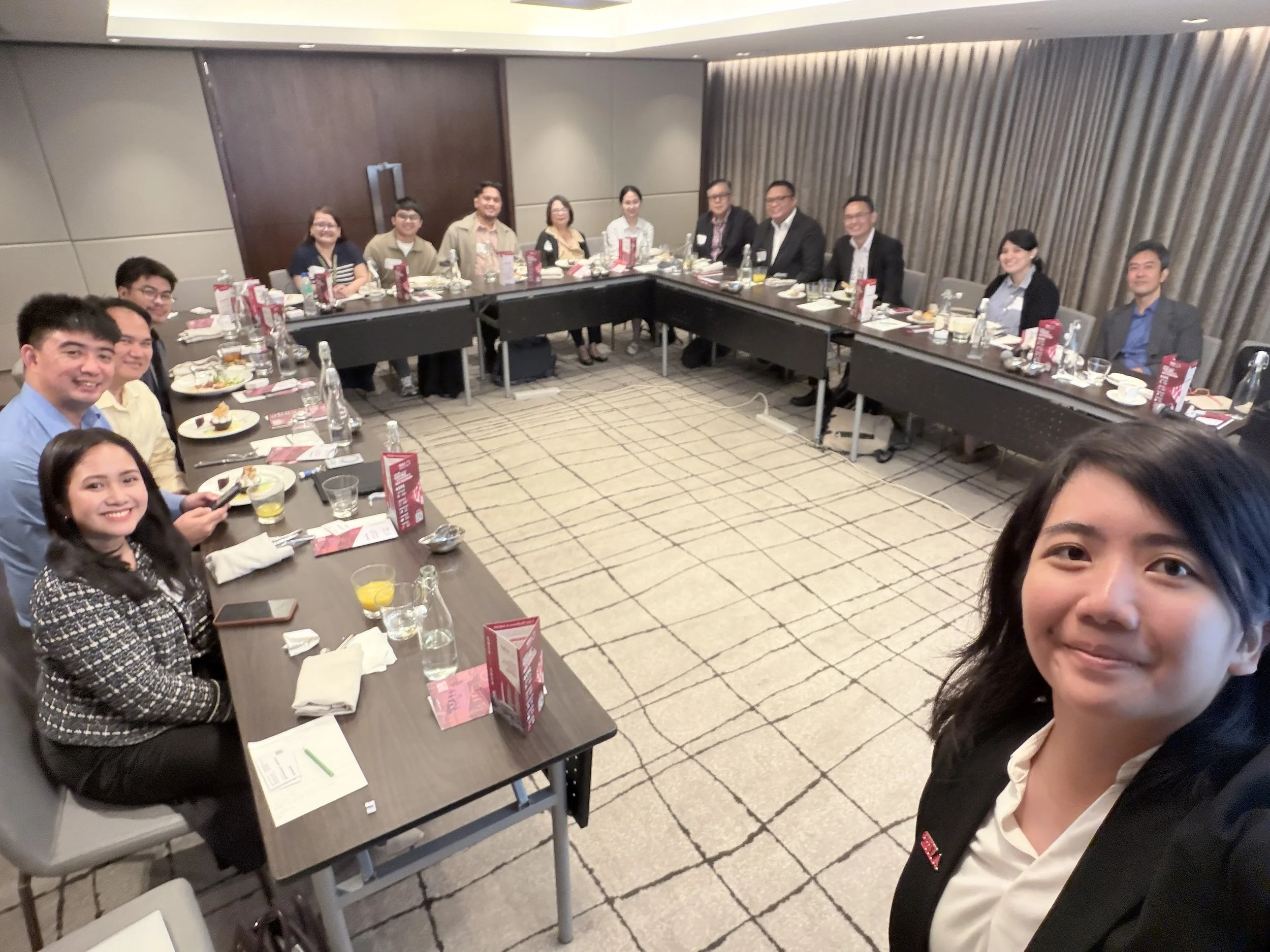
Join the Dialogue Are you ready to transition from AI pilots to enterprise-wide decision authority? This writeup is based on discussions from the AIBP closed-door focus group workshops held on 24 February 2026. To join upcoming peer-learning sessions visit https://www.aibp.sg/upcoming.
