
54th AIBP Conference & Exhibition Indonesia Day 1:What It Takes to Scale Enterprise AI
Pertamina set its digital factory a target of 50 million US dollars in value creation for its first year. Sigit Pratopo, SVP of Pertamina Digital Hub, described optimising stock across more than 118 depots holding six to eight billion dollars of fuel, where demand in Bali looks nothing like demand in Papua but supply had been running much the same to both, because nobody wanted a stock-out. The factory closed the year at 80 million. It is now targeting 150 million, and 300 million in EBITDA impact by 2027.
Three panels ran on the first day of the 54th AIBP Conference and Exhibition Indonesia, held on 26 and 27 August at Four Seasons Hotel Jakarta, covering the economics of AI investment, who owns enterprise data, and how much decision-making authority to hand over. On the evidence of the day, Indonesian enterprises have largely stopped arguing about whether the models work. What they are still working out is which part of the organisation carries the result.
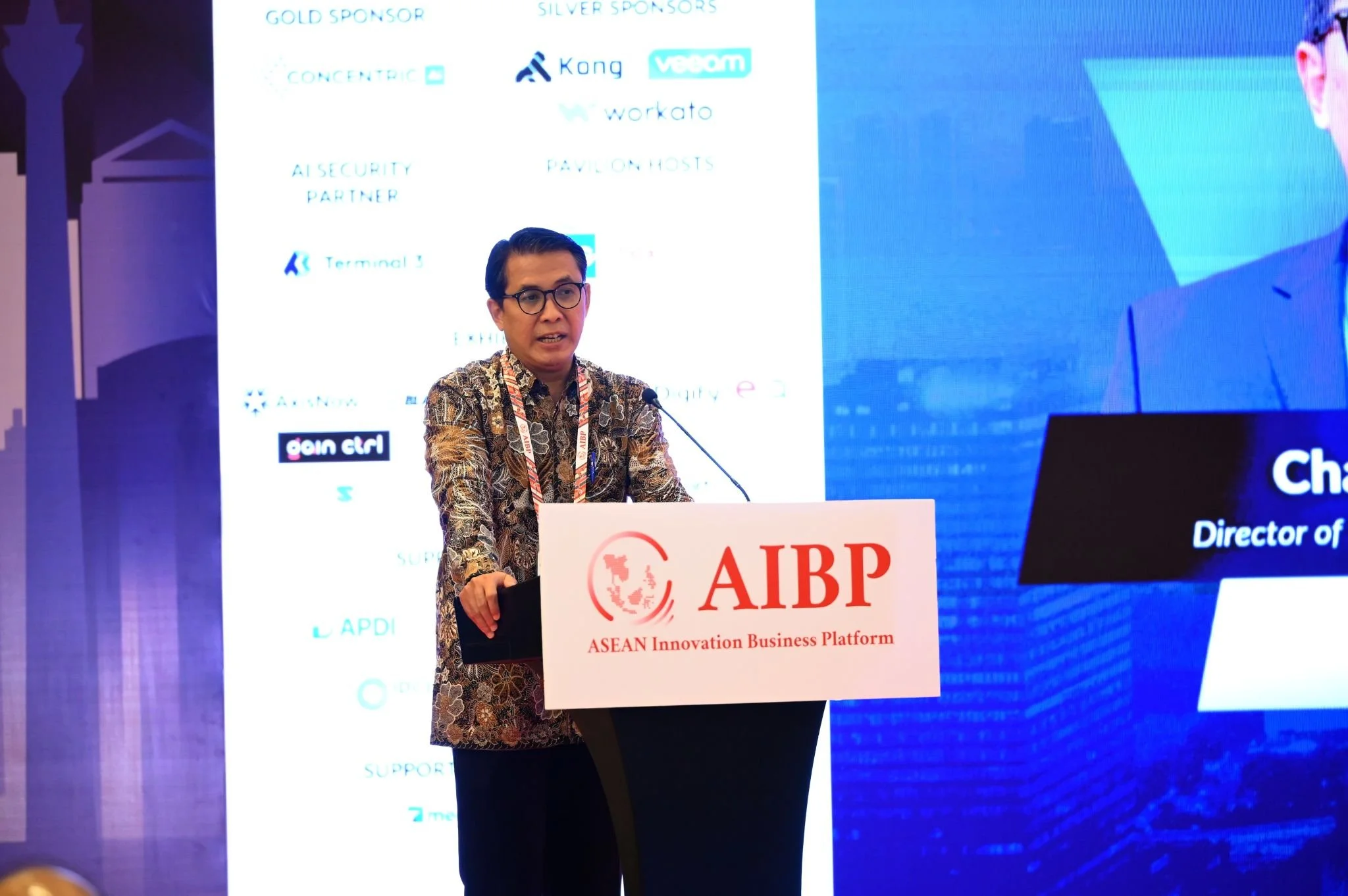
Chairul Saleh, Director of Manpower Productivity at the Coordinating Ministry for Economic Affairs and an AIBP advisory board member, opened with the government's projection that widespread AI adoption could lift national economic output by up to 50 percent by 2035. He set that against a labour force of 154.19 million as of February 2026, and an ILO assessment that 21.7 percent of Indonesian workers are in occupations exposed to generative AI. His call to corporate leaders was to treat AI as a reason to reskill rather than a shortcut to mass layoffs, to keep humans as the primary decision-maker under the Personal Data Protection Act, and to put data analytics to work on supply chains and SME productivity. The measure of success, he argued, should not be the reduction of labour costs. It should be whether the technology enhances human capability and creates value.
The Business Case Comes First
The opening panel took up how enterprises judge which AI investments are worth scaling.
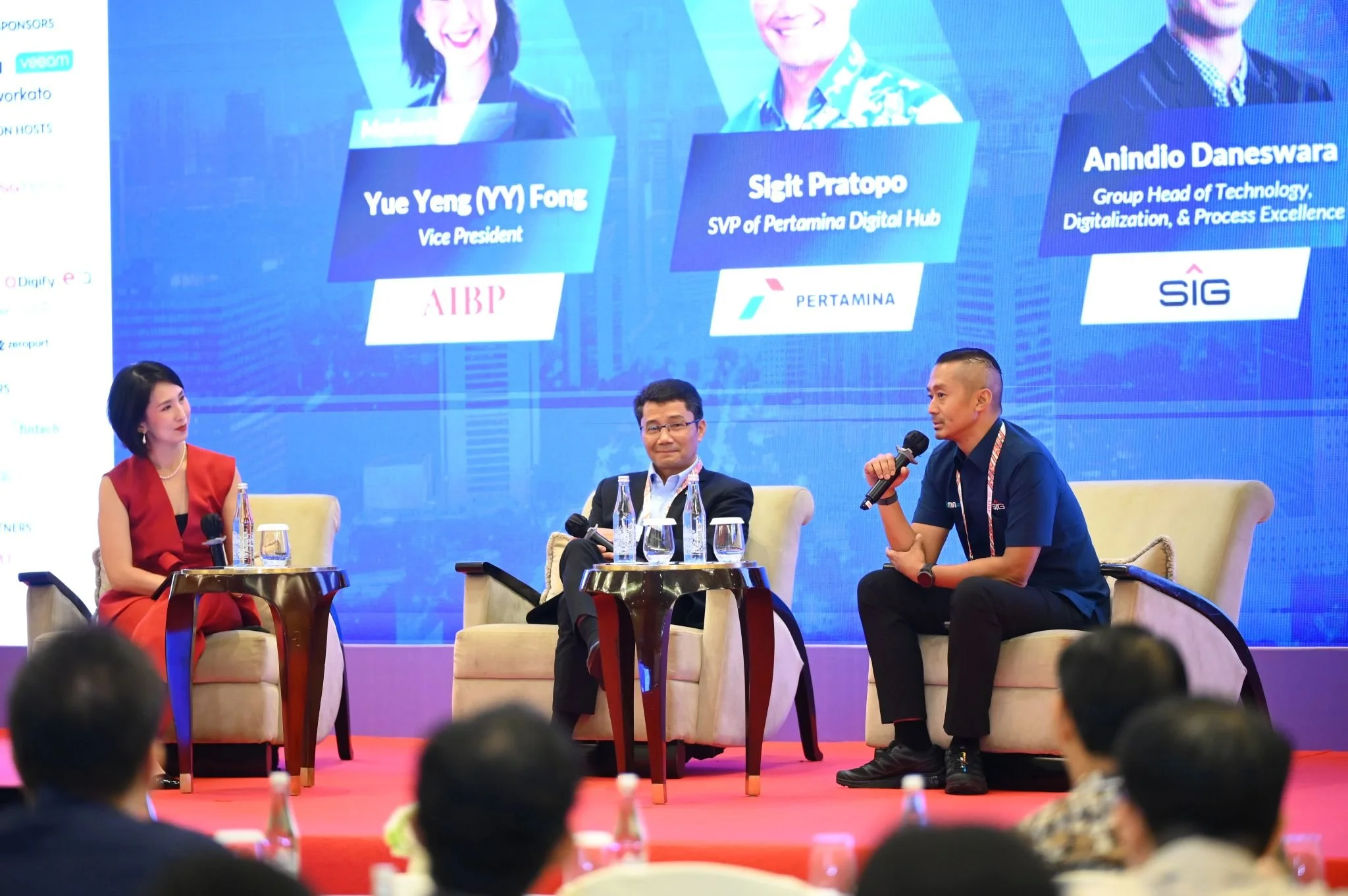
Sigit Pratopo declined the return-on-investment framing at the outset. "It's not about the ROI per se," he said, "but more of how we deliver value creation through AI." Pertamina manages a portfolio of use cases and prioritises by impact, and the questions that start a project are which business pain point it solves and what value it will create.
Anindio Daneswara, Group Head of Technology, Digitalization and Process Excellence at Semen Indonesia Group, runs the same argument from the other end and with more arithmetic. SIG calculates net present value, IRR, ROI and payback period before a pilot starts, not after. "We should not start with AI and then try to find the ROI," he said. "We always start by finding the business case." Its Control Tower 2.0 optimises cement distribution across 12 production plants, 61 distribution plants and 455 districts, which he put at more than a thousand delivery path combinations, re-optimised dynamically rather than set once. "It is not an IT project anymore," he said. "It's a corporate initiative."
Both were then asked for something that looked better on paper than in practice.
Anindio Daneswara illustrated the challenge through cost. Public cloud makes it easy to spin up a large language model, and the billing stays manageable through experimentation. At 50 users it looks fine. At 500 it still might. At enterprise scale, with 5,000 users, the bill arrives. The architecture was settled during the pilot, when the stakes were small, and by then it is expensive to revisit. His point was not cloud against on-premises, it was that the architecture has to be looked at again as the project grows.
Sigit Pratopo's example ran the other way. Pertamina supplies gas by pipeline to industrial customers including ceramics manufacturers and the state electricity company, and gas that flows but goes unused cannot simply be held back. A machine learning model to close the gap between supply and demand took three months to build, worked in pilot, and was expected to deliver US$4 million to US$10 million in annual value. It cleared every stage gate in Pertamina's governance process. Then it reached the operations managers who would have to run it. The product owner had come from the business, so the team assumed the business was ready. It was not. Months on, they are still working on getting it operationalised.
Data Ownership Sits With the Business
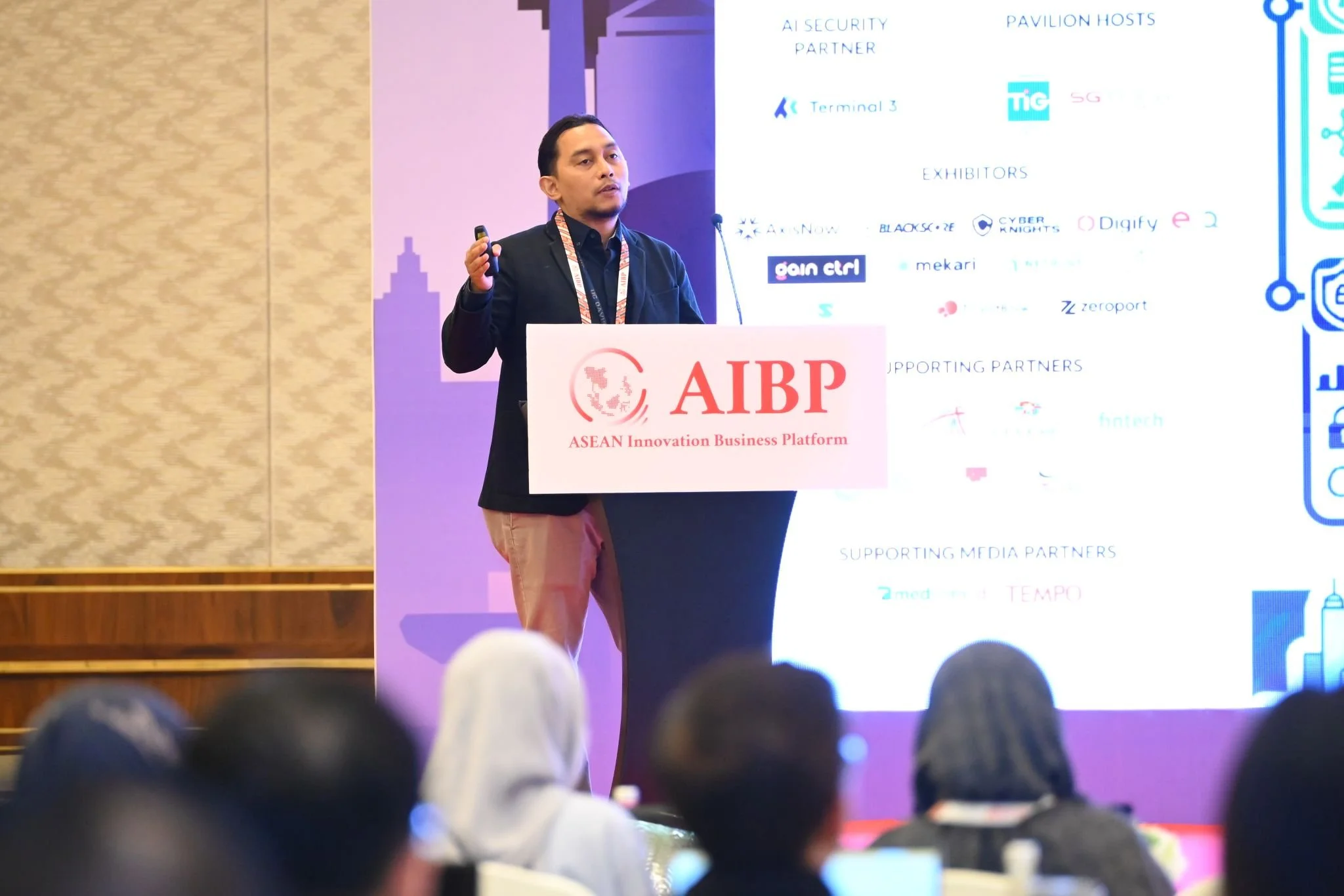
Dr Fandi P. Nurzaman, Senior Planner at the Ministry of National Development Planning, said the debate usually settles on whether the models and the computing power are ready, when the real constraint is the data. He listed where that bites: monitoring the supply chain behind the free nutritious meals programme, finding mis-targeting and duplication in social assistance, credit scoring for cooperatives.
Satu Data Indonesia has run since a 2019 presidential regulation and is now moving through the DPR as a bill, which would extend it beyond government to non-government data. He offered a small example of why it exists. Five years ago his team wanted to measure water use efficiency, an indicator developed economies track. The Ministry of Public Works measures how water is delivered. The Ministry of Agriculture measures how it is used. Nobody was measuring whether the country uses it efficiently, so the number did not exist. Targeting social assistance now draws on electricity consumption data from PLN and vehicle ownership records, which is the kind of cross-agency use the framework was built to make possible.
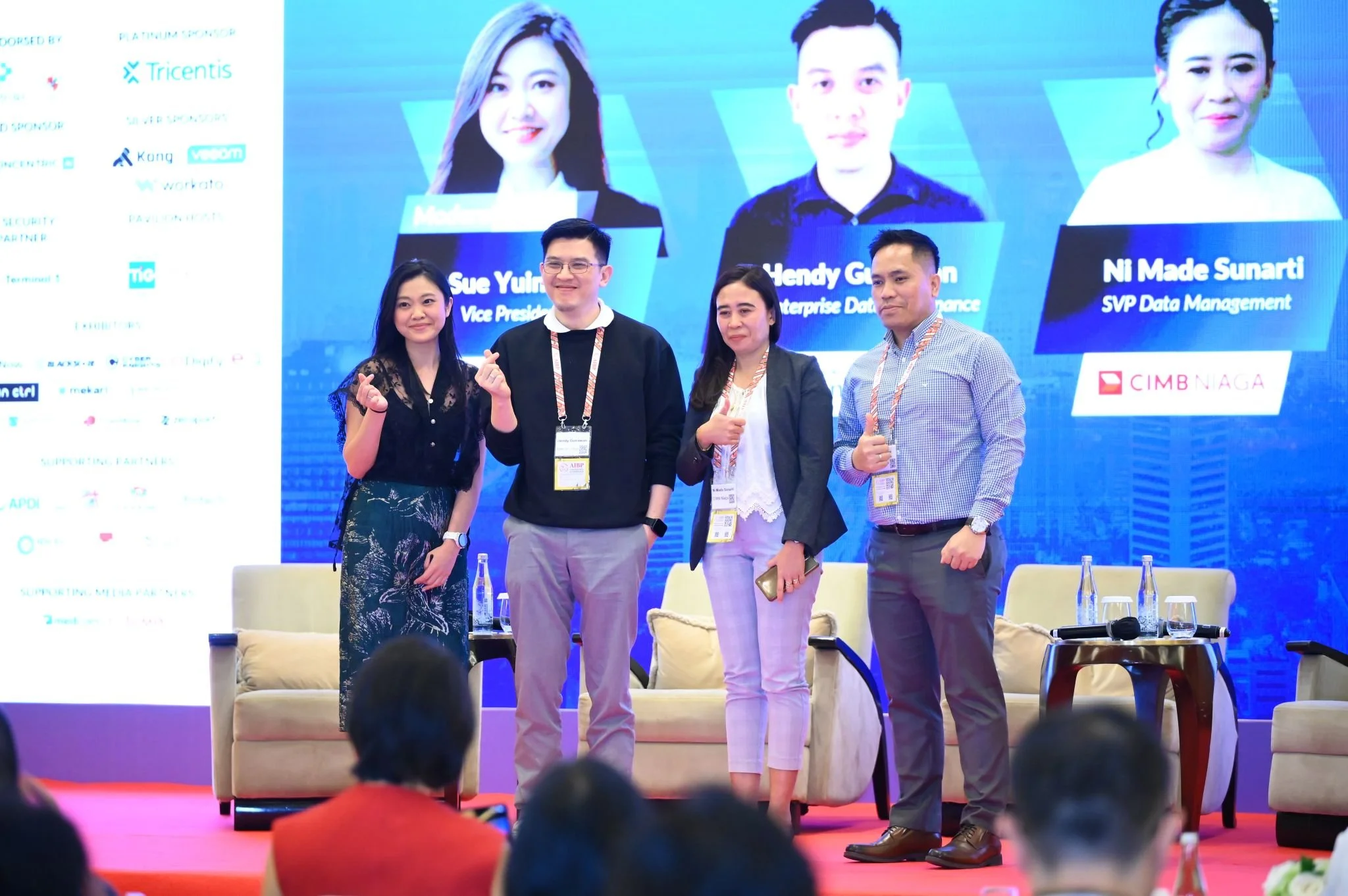
The same logic carried into the enterprise discussion. Hendy Gunawan, SVP of Enterprise Data Governance at Bank Sinarmas, Ni Made Sunarti, SVP Data Management at CIMB Niaga, and Brikson Hara Donald Barus, Department Head of AI Development at Bank Mandiri, agreed that data ownership sits with the business, while governance teams provide the policies, access controls and stewardship needed to use it responsibly. Ni Made Sunarti described this as governance by design, where the rules run inside day-to-day processes.
This becomes even more important as unstructured data such as SOPs, call recordings and internal documents becomes more valuable for LLMs and multimodal AI.
The panel landed on three tests for data readiness. Who owns it, whether it can be trusted, and whether governance is built into how it gets used.
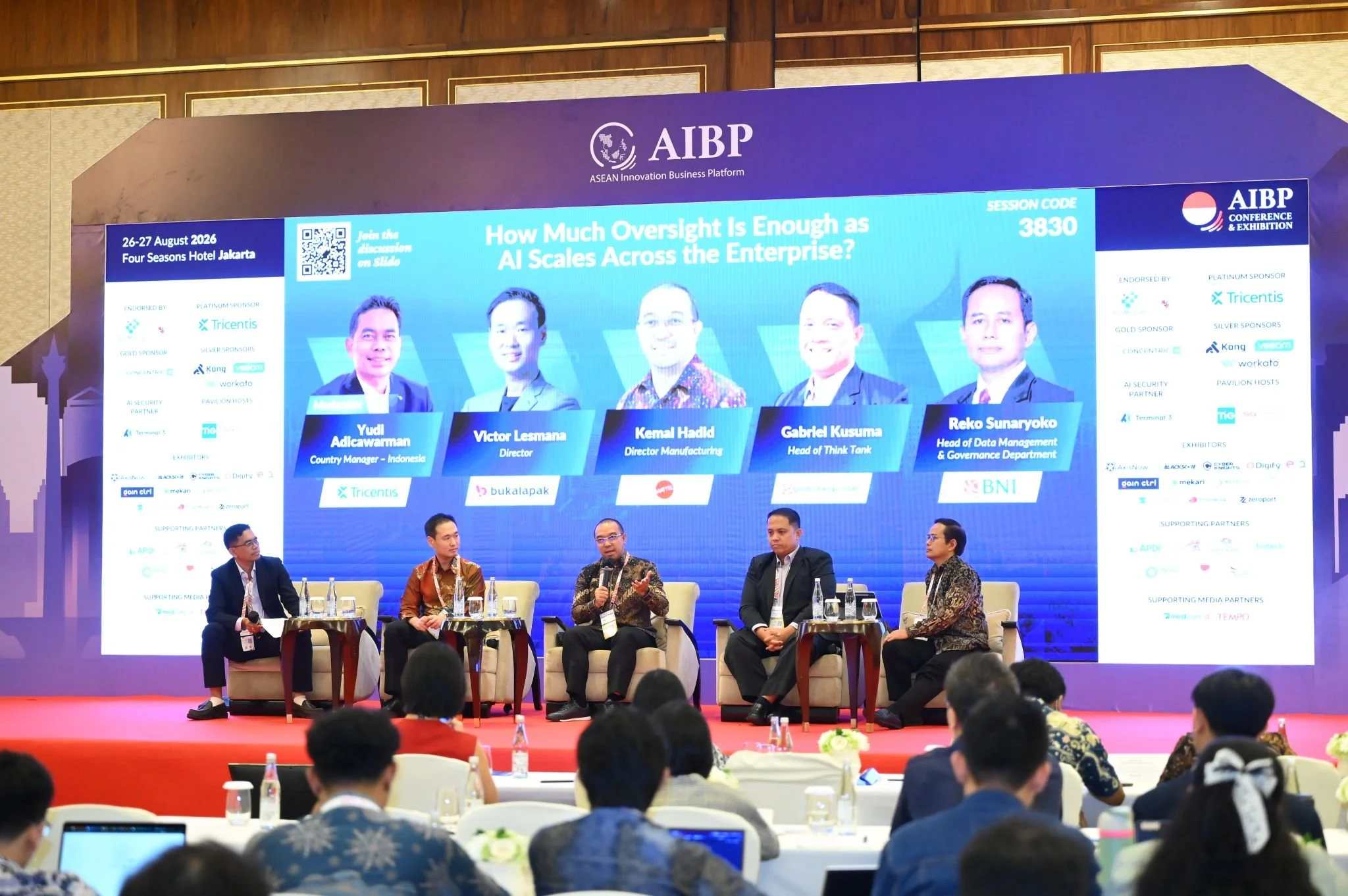
How Much Oversight Is Actually Enough
Inka Yusgiantoro, Advisor for Transformation at Otoritas Jasa Keuangan (OJK), opened the session from the regulator’s perspective. His point was that AI governance has to scale with adoption, not sit outside it. OJK is applying that principle internally as it develops a common governance framework across its business units, built around accountability, human oversight and reliability.
He also stressed that AI should not operate without human involvement in consequential decisions. As organisations move from generative AI towards more autonomous systems, the challenge is to keep governance consistent without making every use case follow the same operating model.
The panel that followed, moderated by Yudi Adicawarman of Tricentis, took that question into practice: where is human intervention still required, and how should escalation be designed? Across four industries, the answers differed, but the principle was similar: the higher the consequence, the more important human judgement becomes.
Victor Lesmana, Director at Bukalapak, keeps AI at the decision support level, on the reasoning that it is only as useful as the person using it. In one market assessment, the output sounded convincing but relied on outdated data, something the team only caught because they knew the market well. Bukalapak also found that higher AI accuracy can become expensive at scale, so the team balances cost, effectiveness and risk, automating routine enquiries while keeping people involved in higher-consequence cases.
Kemal Hadid, Director of Manufacturing at Mattel Indonesia, which makes Barbie and Hot Wheels there, said manufacturing has taken a different path to AI because much of its data comes from machines and production systems rather than customer transactions. After years of upgrading legacy equipment to make that data usable, Mattel is now moving from automation towards greater autonomy.
For Mattel, the key question is not whether AI can make a decision, but what happens if that decision is wrong. AI is well suited to detection and anomaly spotting, but unusual or higher-consequence situations still need human judgement. That is why escalation has to be designed into the system from the start. The AI should know when to hand a problem over, and who it should go to, rather than leaving that decision to whoever happens to be nearby.
Gabriel Kusuma, Head of Think Tank at Golden Energy Mines, part of the Sinarmas mining group, reframed the question of where to draw the line. "It's not a line," he said. "It's a spectrum that we need to tune." At Golden Energy Mines, computer vision is already used on mining haul roads to detect speeding and unsafe overtaking. AI reviews the footage, but a person decides what action follows.
He argued that the same model has to evolve as AI scales. Asking people to approve thousands of alerts every day eventually weakens the quality of that oversight. Instead, AI should handle the volume while humans focus on exceptions.
On accountability, he drew a clear distinction. Technical teams own model performance. Business owners own operational decisions and risk. What does not work, he argued, is accountability being passed sideways until no one clearly owns the outcome.
Reko Sunaryoko, Head of Data Management and Governance at BNI, brought the financial-services perspective. BNI uses AI for fraud flagging, credit scoring and personalisation, but the level of human involvement changes with the consequence of the decision. The harder an outcome is to undo, particularly where customers could be financially affected, the more human judgement is retained.
Working within OJK’s AI framework, BNI applies that principle case by case, looking at model maturity and how reversible the decision would be if the outcome proved wrong.
Where Day One Left It
Across Day 1, the same idea kept resurfacing in different forms: AI only scales when the business is ready to own the outcome.
Different perspectives were offered on whether a person can do the job. Victor Lesmana keeps people in the loop because his team caught an answer that read well and ran on stale data. Gabriel Kusuma points the other way: give someone thousands of alerts a day and the quality of that oversight eventually drops. His answer was to focus human attention on the exceptions that matter most.
Pertamina’s experience added one final lesson. A model can work technically and pass every stage gate, but moving from pilot to scale still requires training and operational readiness.
Day 2 took up that question from three directions: workforce, security, and how far an agent should be allowed to act.
About ASEAN Innovation Business Platform (AIBP)
The ASEAN Innovation Business Platform (AIBP) is an initiative focused on enabling innovation and strategic partnerships across public and private organisations in Southeast Asia. Through curated engagement activities, AIBP supports the growth of regional government agencies, enterprises and solution providers in navigating key themes such as innovation, digital transformation, and sustainability.
Learn more at www.aibp.sg
