
The Mandate Has Changed: How Malaysian Enterprises Are Making AI Non-Optional in HR
The AIBP Innovation Survey 2025/26 highlights that 54.7% of enterprises are prioritising AI initiatives based on cost and ROI, signalling a decisive shift toward measurable value creation as the primary filter for investment and a broader move away from experimentation toward financially disciplined AI adoption across ASEAN.
In Malaysia, this shift is even more pronounced, with enterprise leaders no longer questioning whether to deploy AI, but whether their organisations can absorb the pace of change being set at the leadership level and what happens when strategic ambition begins to outpace execution capability.
In response, AIBP convened senior HR and people leaders for The 2026 Talent Reset: Navigating the Strategic HR Evolution in Malaysia, across the banking, manufacturing, telecommunications and infrastructure sectors to examine this gap. The discussion revealed that the challenge is no longer about adoption itself, but about making it consequential, ensuring it is effectively governed within complex and regulated environments and enabling a workforce, not originally built for these technologies, to adapt and operate at the required speed.
HR as the Transformation Owner
The first significant shift is structural. HR is no longer the function that supports AI adoption from the sidelines; in the most advanced organisations in the room, it has become the function that owns it.
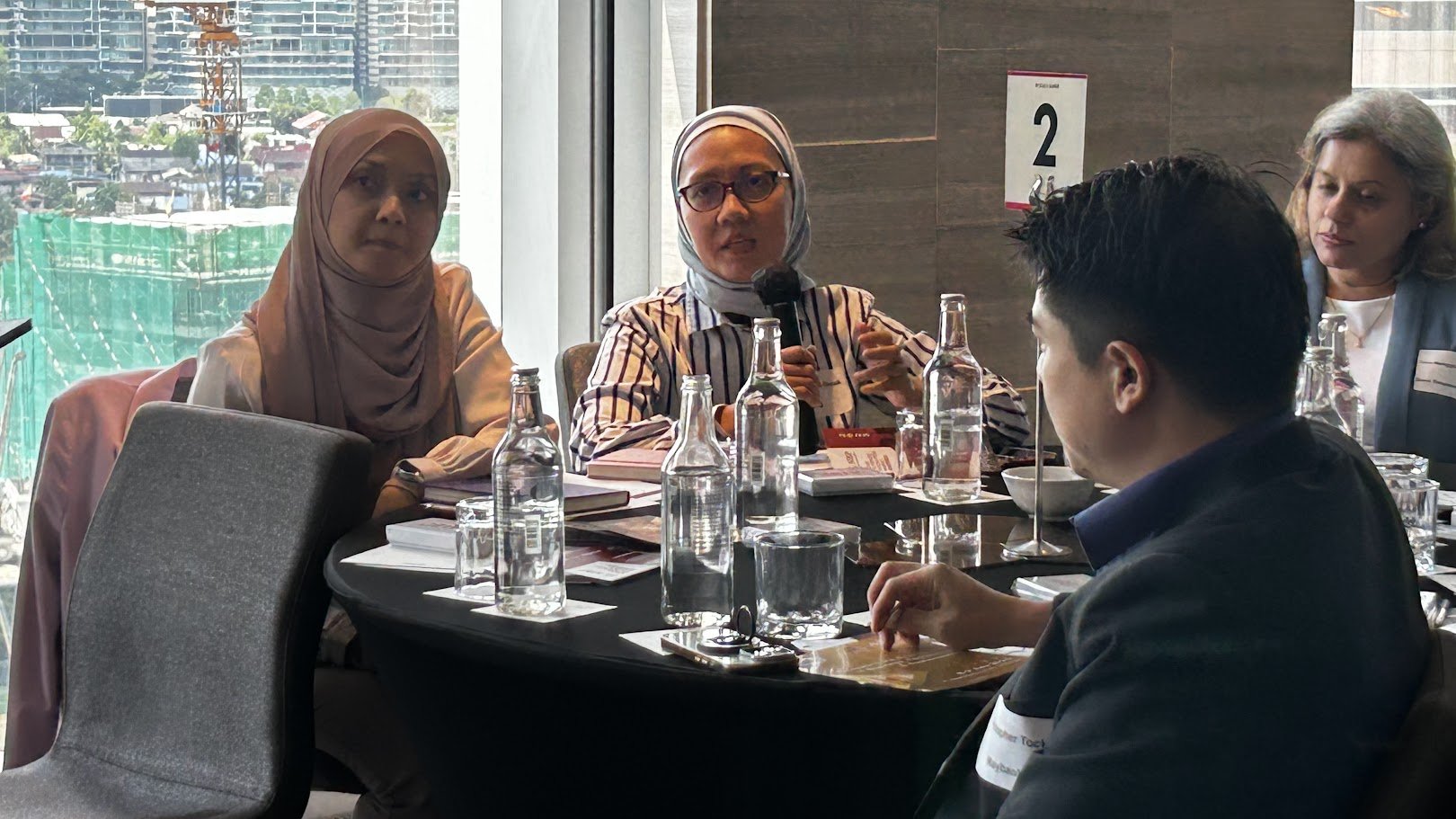
At Tenaga Nasional Berhad, Masdiana Abd Razak, Head (People Digital Solutions & AI) mentioned that the reframing has been deliberate. HR has been repositioned as a "people" function, with a dedicated team covering people digital solutions and AI. The governance model follows a hub-and-spoke design, with a central team setting policy and frameworks while business units drive execution and use case development. The language of hub-and-spoke, the organisation noted, has now penetrated to the level of day-to-day operational conversation, a signal that the model has taken root rather than remained a leadership aspiration.

Jo-Ann Low, the Group Head of HR of Gamuda, described a similar repositioning, with HR leading the organisation's full-year AI adoption roadmap in collaboration with the technology function. The framing given to employees was direct: AI handles volume, and people apply judgment. Staff who cannot demonstrate they are working with AI will find their relevance diminished. That is not a threat; it is the honest version of a message that many organisations are still communicating in softer terms and with correspondingly softer results.
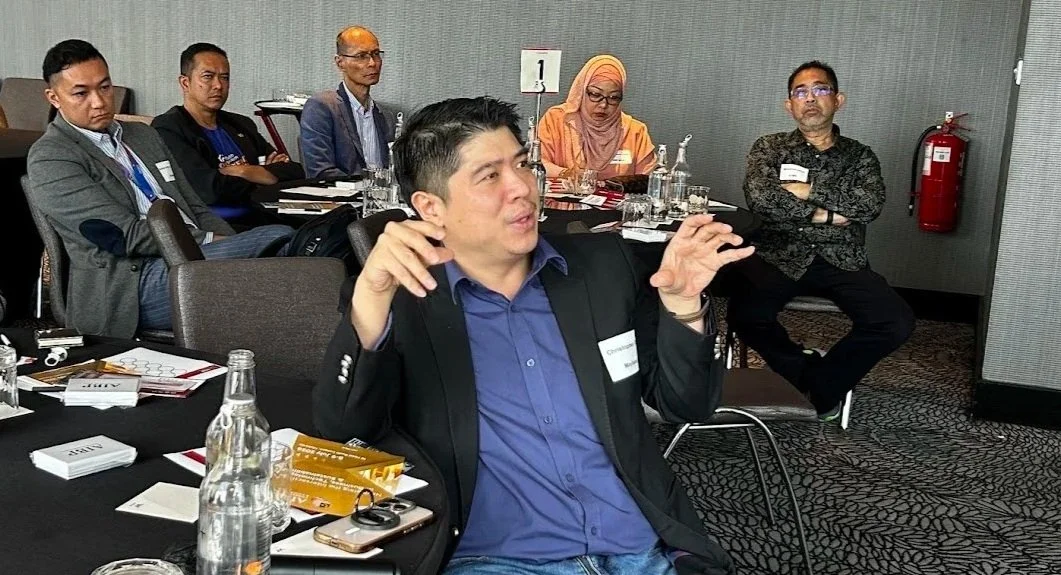
At Maybank, the VP for Tech, Data and Digital Futures, Christopher Tock described the problem from a different angle. Across the technology industry, only two out of ten technology or related solutions launched actually succeed (BCG). The failure is almost never at the point of build; it is at the point of adoption. His mandate is to change that ratio by ensuring that AI programmes are designed around how people want to reimagine their own workflows, not around the capabilities of the tools themselves.
Making adoption measurable
The clearest dividing line between organisations that are making progress and those that are not is whether AI adoption has been made consequential through measurement.
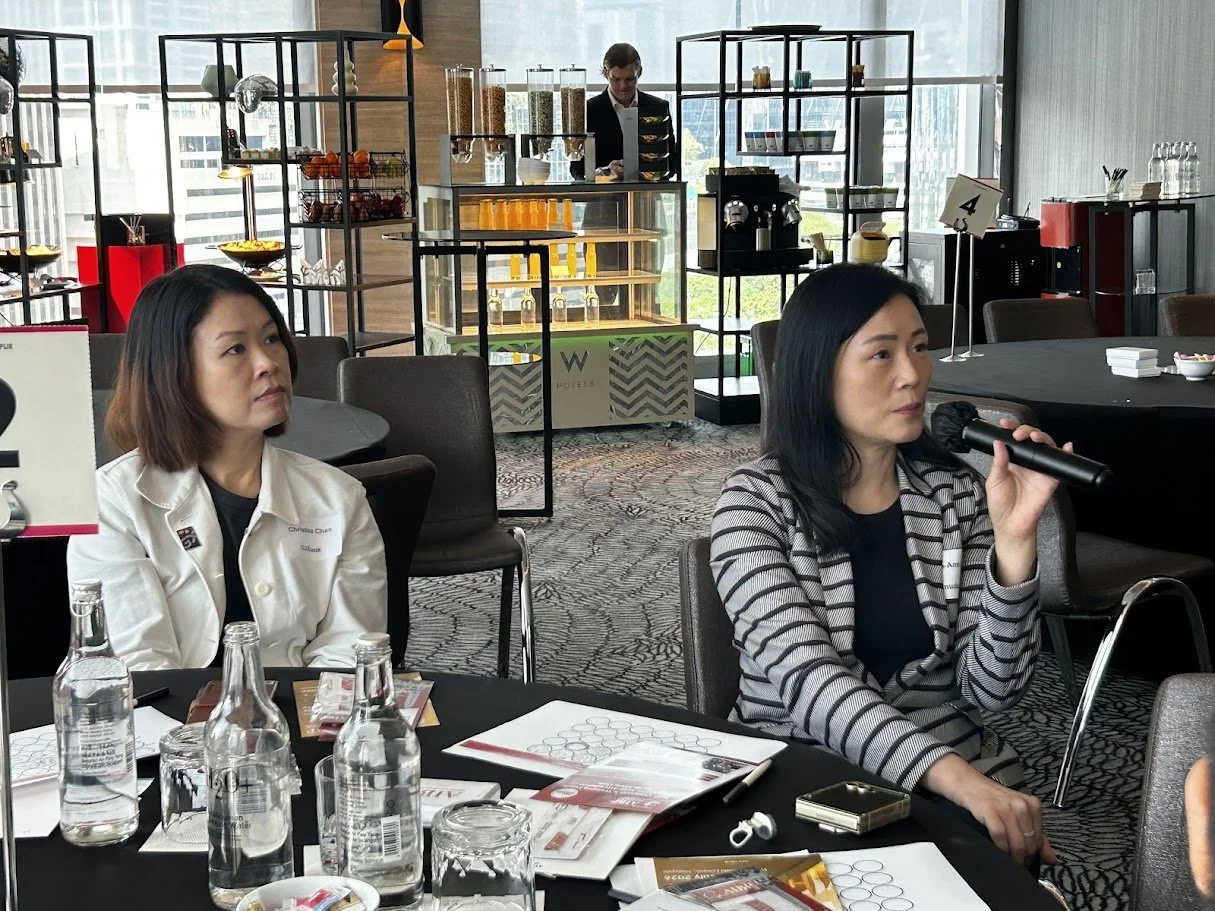
Jo-Ann Low, Group Head of Human Resource at Gamuda Berhad discussed:
AI usage has been embedded into performance rating frameworks.
Every department is required to submit an AI opportunity statement.
Progress is tracked quarterly against declared AI commitments.
Reverse mentoring is implemented, pairing digitally fluent younger employees with more experienced staff to normalise adoption across generations.
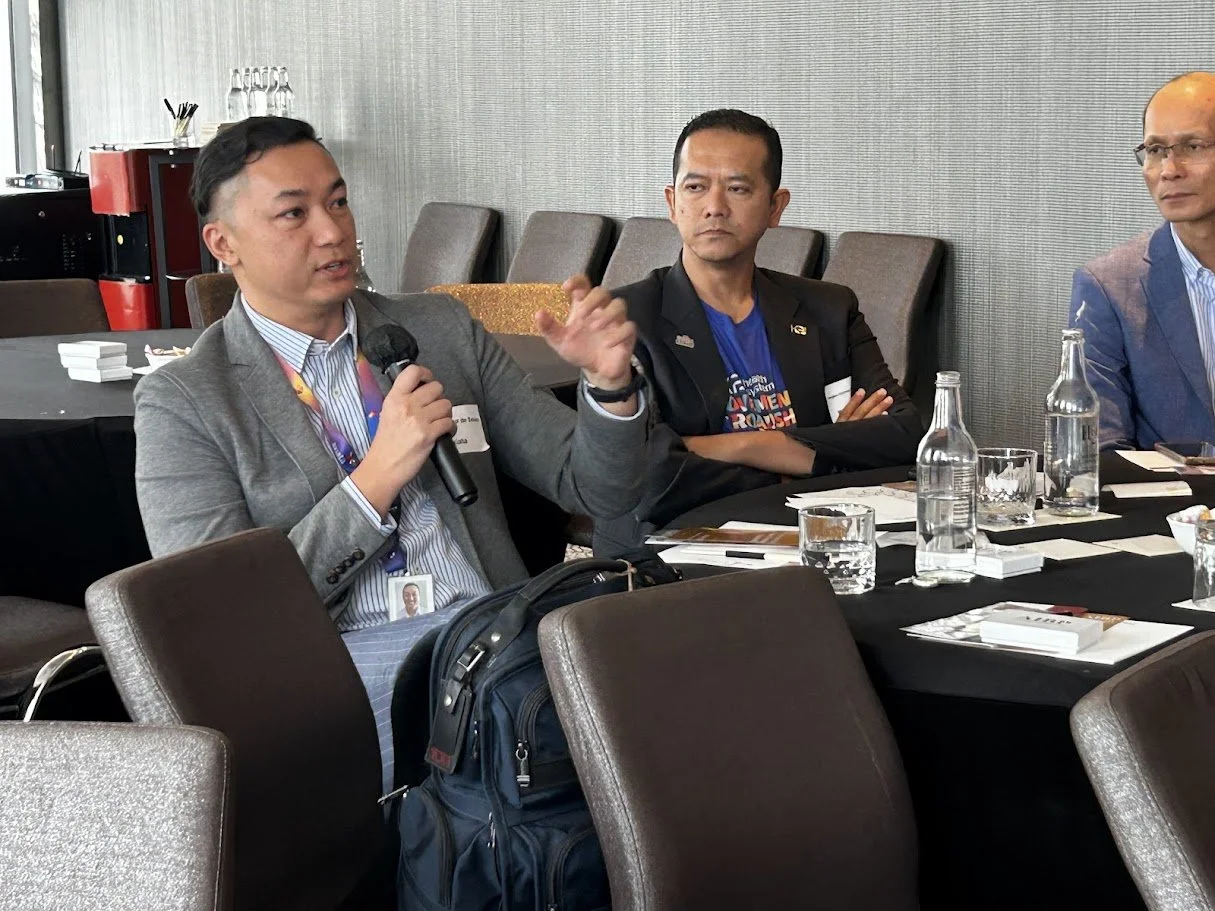
Bonnie Arthur de Souza Group Head of Talent & Transformation at Axiata Group highlighted:
Enterprise AI licences have been provided to all employees to ensure universal access.
Adoption is driven through capability-building rather than awareness campaigns or optional usage.
The approach signals that change management is no longer about access, but about skills and execution.
Collaboration between the people function and technology strategy is a key enabler, with change management ownership sitting within HR.
The governance constraint
Not every organisation can move at the same pace, and the session surfaced an important counterpoint to the mandate model.
In highly regulated environments like banks, navigating merger integration and operating under multi-ministry oversight HR transformation does not occur in isolation. Every process change must pass through multiple layers of control, including compliance, audit, risk and in certain cases, Sharia governance. Within this context, the reality is that AI in HR is not yet fully embedded at the workflow level, not due to a lack of ambition, but because the governance infrastructure required to safely enable it is still evolving. This is a structural constraint that is often underappreciated in broader discussions around AI adoption timelines.
In response to this constraint, a hub-and-spoke operating model has increasingly emerged across Malaysian enterprises, often without central coordination but with striking consistency. This model reflects a pragmatic balancing act as centralised control functions provide the policy guardrails and regulatory assurance required in sensitive environments, while decentralised execution enables business units to move with the speed and flexibility needed for innovation. While this approach does not eliminate the underlying tension between control and agility, it creates a workable framework in which both can coexist.
The workforce the frameworks do not reach
The workforce challenge is consistent across organisations. Experienced employees, especially those whose professional identity is tied to processes now being transformed by AI, often show resistance to adoption. This resistance cannot be fully addressed through governance frameworks or KPI structures alone.
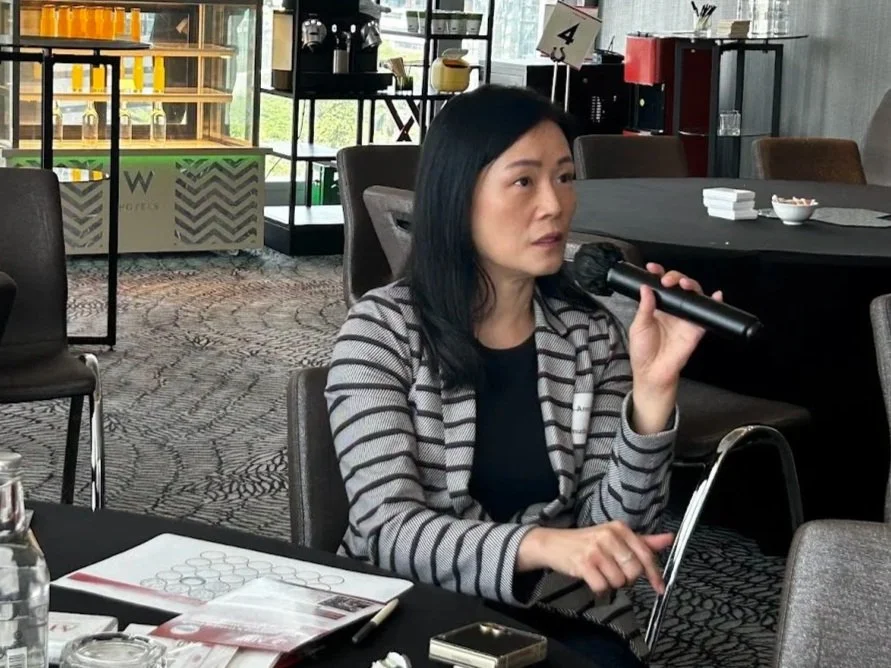
Jo-Ann Low, Group Head of Human Resource at Gamuda Berhad highlighted:
This approach builds trust by enabling learning through peers rather than formal training alone.
Visible adoption of seeing colleagues use AI to improve real work outcomes, creates stronger social proof than top-down mandates.
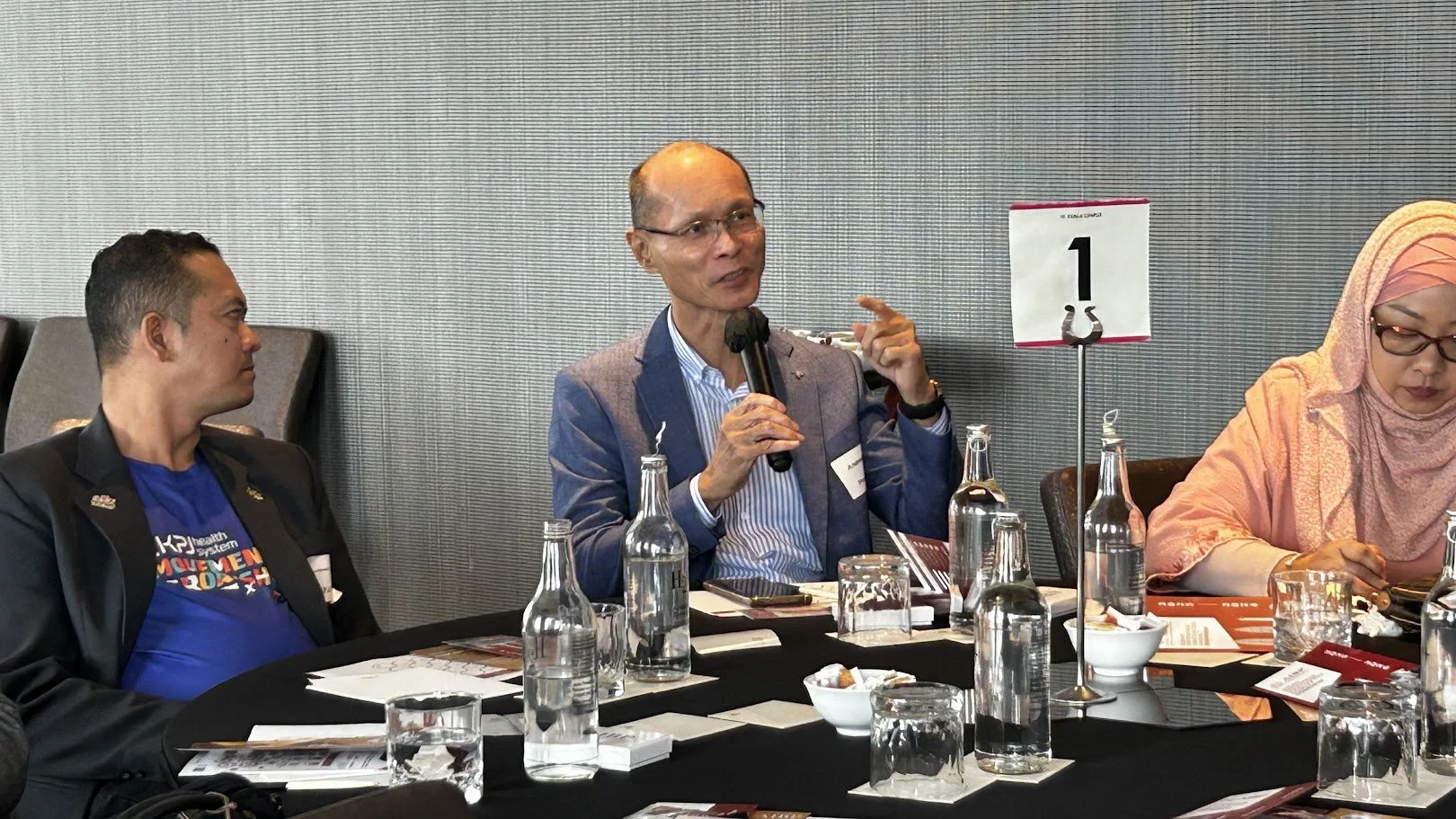
Andrew Chan, Chief Human Resources Officer at Press Metal Aluminium Holdings Berhad mentioned:
AI is applied across distributed manufacturing operations spanning regions from Sarawak to southern China.
Use cases include production measurement and talent deployment at a granular operational level.
Across organisations, however, a common unresolved question is how to rigorously quantify the return on AI investment in a way that sustains executive confidence over long capability-building cycles. In this sense, better productivity data is both the output of AI and the very input required to justify its continued scaling.
What This Means for ASEAN Enterprises
The session points to five decisions that HR leaders in Malaysia and across the region need to make, if they have not already.
First, decide whether HR owns AI adoption or supports it. The organisations making the most measurable progress have made HR the primary driver, not a contributor. The distinction has structural consequences for resourcing, authority and accountability.
Second, make adoption measurable before the mandate loses credibility. Awareness programmes and tool access are necessary but not sufficient. If AI usage is not tracked, assessed and tied to performance expectations, the mandate will drift into background noise within two cycles.
Third, build the governance model that fits your regulatory context, not the one that fits your ambition. The hub-and-spoke approach emerging across Malaysian enterprises reflects a practical accommodation between central control and distributed execution. Regulated institutions that try to move at the pace of digital-native organisations risk compliance failures; those that use governance complexity as a reason to wait risk being structurally left behind.
Fourth, invest in the human bridging mechanisms that frameworks cannot provide. Reverse mentoring, visible peer success stories and honest communication about what the AI transition means for roles are more effective at shifting resistant segments of the workforce than any amount of policy documentation.
Fifth, build the ROI data infrastructure in parallel with adoption. The organisations that will sustain executive buy-in over a two-to-three year adoption cycle are those that can demonstrate return with specificity. That requires instrumentation from the outset, not a measurement exercise after the fact.
The pace of change in this cycle is not going to slow to accommodate organisations that are still deciding. The mandate has already changed; the question is whether the capability to execute it is catching up.
This rationale underpins the 53rd AIBP Conference & Exhibition, scheduled for 8–9 July 2026 in Kuala Lumpur. The forum serves as a critical junction for senior executives across the data, cybersecurity, technology, HR and transformation functions to evaluate the profound impact of AI. The agenda extends beyond operational systems to address the fundamental reshaping of organizational decision-making, governance frameworks, and enterprise workforce models.
