
TL;DR
Security leaders in the networking discussion described the same starting point: build security in from product ideation, and work on the assumption that a breach will happen.
AI behaviour is uncertain, so institutions need access controls and monitoring outside the model.
Before AI agents are introduced, financial institutions need to define what data they may use and monitor how they use it.
Participants raised the practical gaps: pattern-based tools, agent autonomy and accountability for each access point.
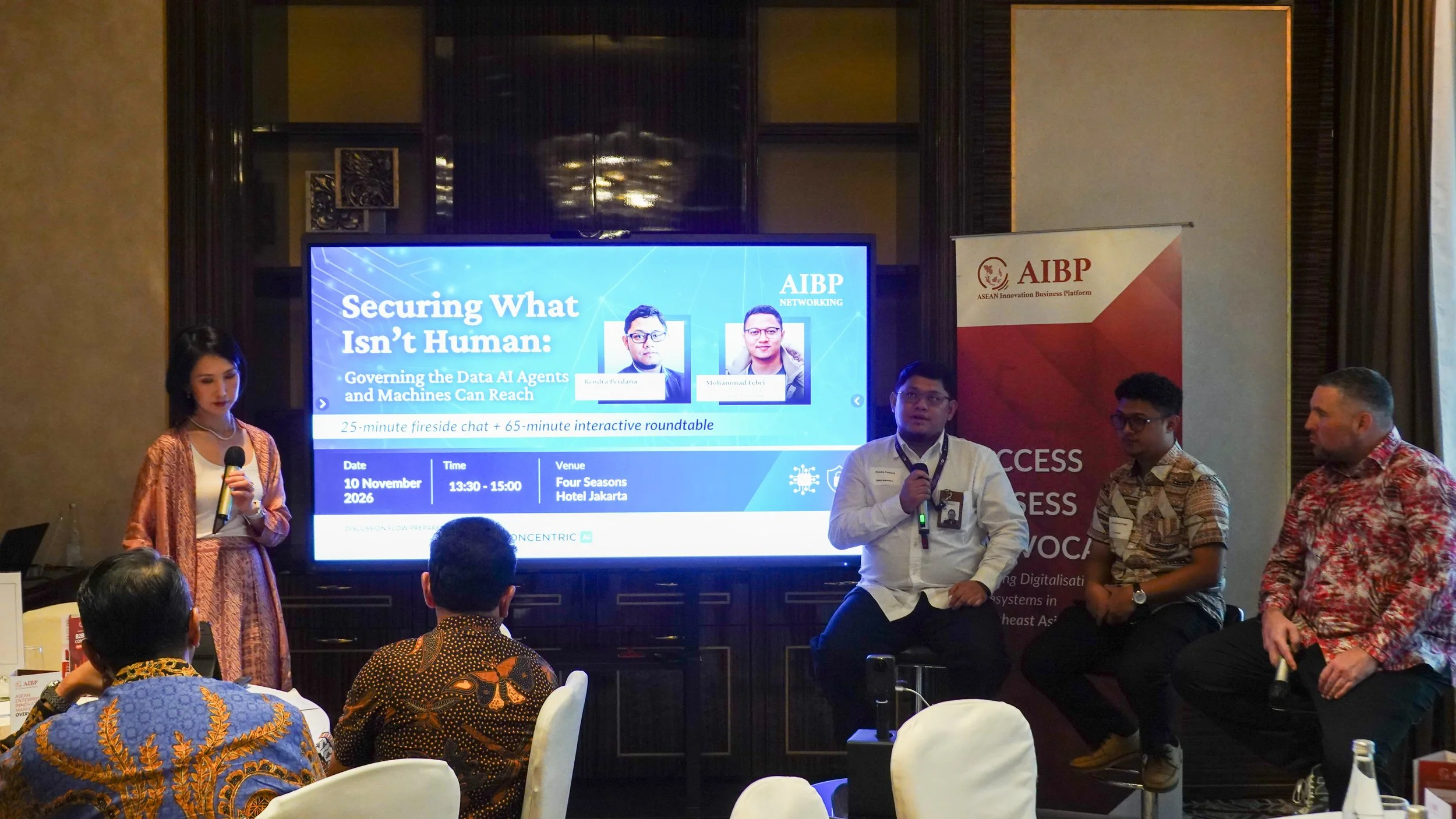
One of the security leaders in the networking discussion had recently tested an AI agent inside a threat intelligence system. It had strong guardrails. It ran on a frontier model. It still made a mistake and deleted tagging data from the system.
The mistake was caught and reversed. But the story landed at a sensitive moment. In the days before the session, Indonesia’s banking, finance and insurance industries were hit by more than 1.2 million cyberattacks in 24 hours, as reported by The Jakarta Post.
With pressure from attackers outside and more AI agents inside, a new question follows: who is watching what those agents can reach? Among the Indonesian enterprises AIBP spoke with, 2% reported a formal AI governance framework that is fully embedded and regularly reviewed. For the Indonesian financial institutions in the discussion, the priority was keeping control of sensitive data as AI adoption grows.
That question was the focus of the closing session of AIBP’s 10 November 2026 networking event in Jakarta. Chris Farrelly, VP, APAC at Concentric AI, Rendra Perdana, VP of Information Security at DANA Indonesia, and Mohammad Febri, AVP, Cyber Offensive and Advisory Head at Superbank, set the tone in a fireside chat, before leaders from banks, insurers and industry bodies joined the conversation.
Build security into product design
Participants emphasised involving security teams at the product ideation stage, when data needs, supplier agreements and customer consent can still be considered in the design. Leaving these questions until after launch makes them harder to resolve.
The same discipline applies to where data is stored and processed. When data is handed to a supplier, the agreement and customer consent need to be in place, along with the ability to cut off the connection and respond quickly if something goes wrong. Where possible, keeping data in-house reduces dependence on third parties altogether. Control, in this view, runs end to end: from product ideation through to threat intelligence and incident response readiness.
The discussion also covered checks across the software development lifecycle: reviewing the data a product needs, checking for sensitive information during development and testing what endpoints return. Findings need an accountable owner and an appropriate response, which may include masking, redaction or encryption.
The point is not to slow product teams down. It is to make data decisions early, when they are still cheap to change.
Plan for breaches as well as prevention
Participants discussed an assume-breach mindset alongside zero trust. When a new vulnerability is published, teams need to investigate whether it affects their systems rather than assume they are unaffected.
Fraud detection raised a related trade-off. Checks need to catch suspicious activity without generating so many false positives that legitimate customers are disrupted. Participants discussed combining transaction checks with behavioural patterns to identify activity that needs further verification.
Reported credential leaks also require investigation. Teams need to establish whether their credentials are affected, understand the exposure and respond using internal evidence and threat intelligence.
Control what agents can access and change
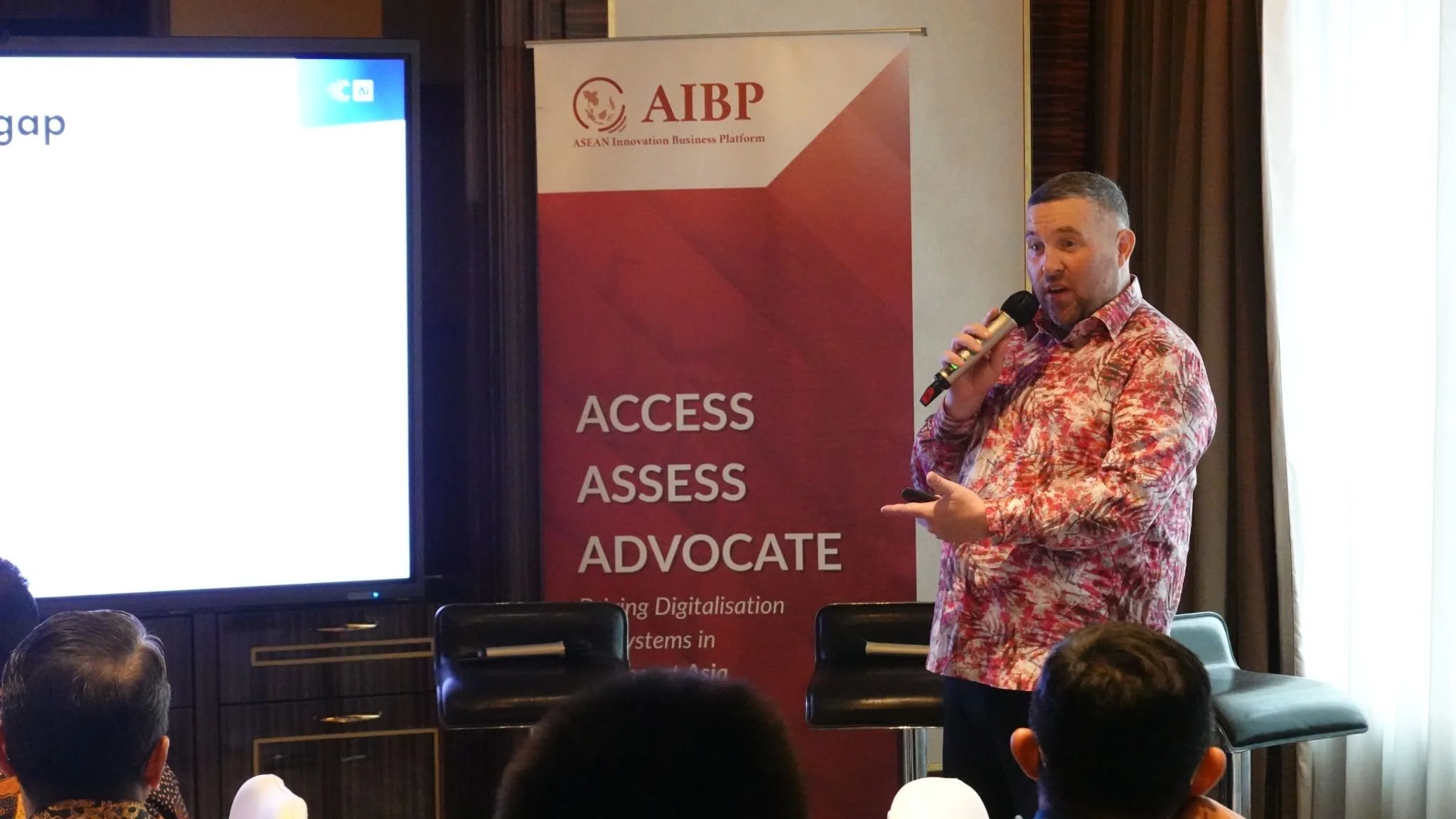
The discussion emphasised controls outside the model, including access restrictions, encryption and data loss prevention, to limit exposure. None is a guarantee: encryption does not protect plaintext once it is made available to an agent through authorised access.
Participants returned to familiar security principles, particularly limiting access and checking how controls work in practice. AI agents make these questions more pressing because they can act on the information available to them.
A practical starting point discussed was to test agents away from production systems, with limited permissions and a clear way to review and reverse their actions.
Chris summed up why this matters: “Agents are only as safe as the data they can reach.”
Set rules before deploying agents
Participants also discussed defining which data agents may use and how they should be configured, then building those requirements into the platform.
Rules alone are not enough, because financial institutions cannot fully control what employees feed into these tools. The team therefore monitors which data is used, filters what can and cannot be shared, and tracks which models and external websites are being connected. It is also assessing other solutions that could strengthen this monitoring. In a heavily regulated industry, that visibility is as important as access control.
Where pattern-based tools fall short
Questions from participants exposed practical difficulties with data classification and monitoring.
Participants asked how labelling can remain accurate as new data arrives, how to reduce mismatches from rule-based tools and how to handle deliberate changes that evade pattern matching. They also questioned the performance cost of deeper inspection and the workload involved in manual labelling.
Another participant questioned whether data can be secured without data loss prevention tools at all. Together, the questions suggested that financial institutions are rethinking which security categories still fit how data moves today.
How much autonomy should agents have?
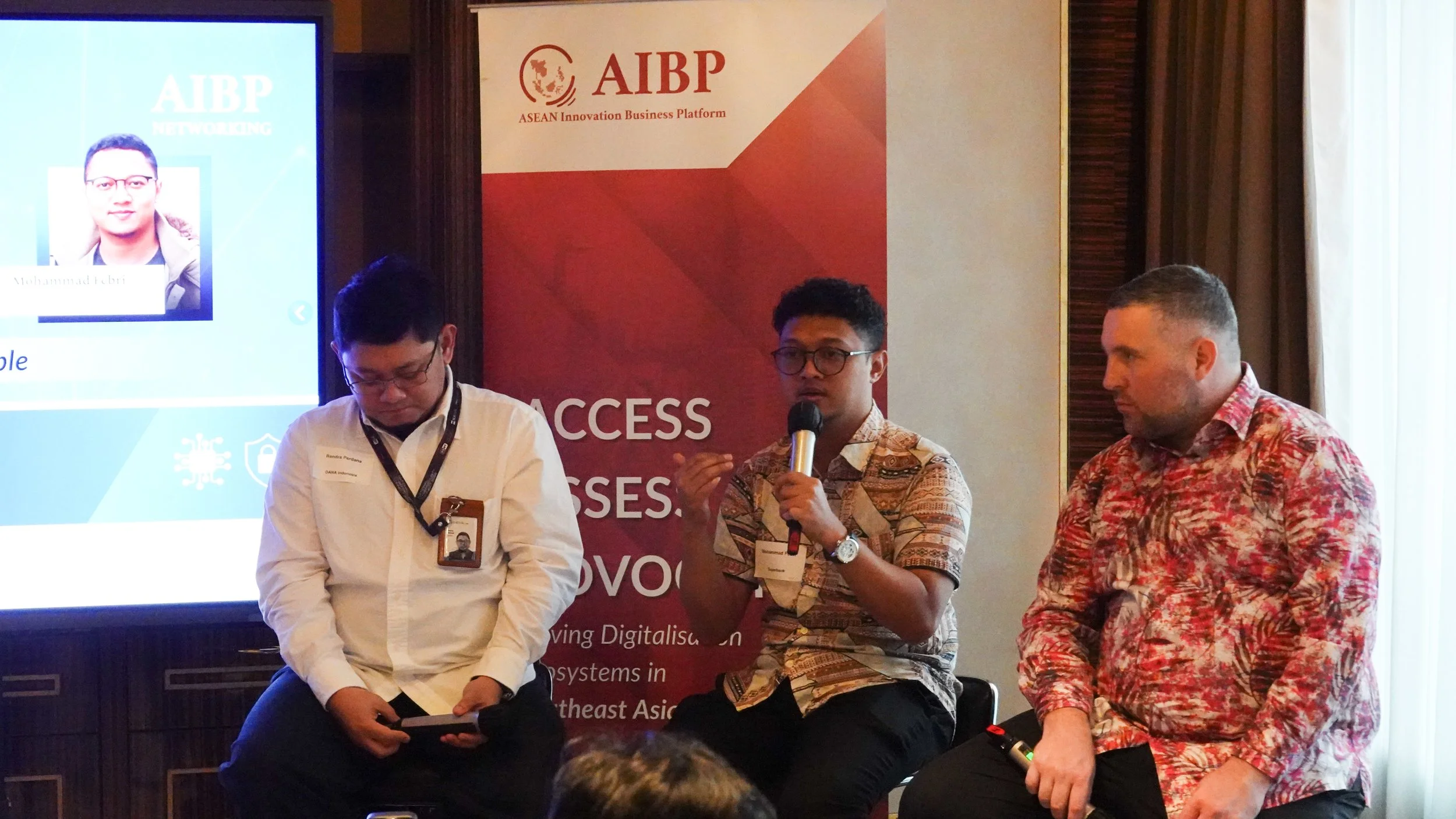
The discussion raised a further question: what guardrails are needed as institutions move from rule-based workflows towards agents with greater autonomy?
Human oversight is likely to stay, but it has limits. If reviewers face too many alerts, they cannot make good decisions. “The key is to reduce that noise and give people easier decisions to make,” Chris noted.
Assign responsibility for access and controls
Participants connected these operational questions to existing AI and IT governance responsibilities.
Governance, in this view, remains the foundation. The roles of the board of directors and IT security must be clearly defined, and institutions need to act proactively by applying least-privilege and zero-trust principles. Every communication flow and infrastructure component also needs someone accountable for it, with those controls monitored and reported.
Keep access and accountability visible

For the Indonesian financial institutions represented in the discussion, the priorities were practical: consider data security during product design, limit agents’ access, test controls and assign responsibility for responding when something goes wrong.
These responsibilities need to remain clear as systems, suppliers and permitted uses change.
Further findings on AI, data and cybersecurity in Indonesia are available in the AIBP ASEAN Innovation Report 2026/27.
About ASEAN Innovation Business Platform (AIBP)
The ASEAN Innovation Business Platform (AIBP) is an initiative focused on enabling innovation and strategic partnerships across public and private organisations in Southeast Asia. Through curated engagement activities, AIBP supports the growth of regional government agencies, enterprises and solution providers in navigating key themes such as innovation, digital transformation, and sustainability.
Learn more at www.aibp.sg
