
From Digital Growth to Cyber Resilience: How Indonesia Is Building Trust Into Transformation
TLDR;
Indonesia’s digital economy is expanding quickly, raising a parallel question around how trust and resilience keep pace with adoption.
On 28 August, SIG and BNI hosted ten Singapore cybersecurity companies as part of a business mission organised with the Cyber Security Agency of Singapore and SGTech.
SIG showed how cyber resilience is being built across a complex industrial environment, where governance, technical debt and OT security shape the journey.
BNI showed how AI is entering fraud detection, credit scoring and personalisation, while data governance and human oversight remain central to consequential decisions.
Indonesia is seeing some of the fastest growth in AI-powered applications in Southeast Asia, while its digital economy continues to expand across services, platforms and infrastructure.
Muhammad Faisal, Head of Partnership & Investment Ecosystems at KOMDIGI, placed that momentum against a wider national priority: ensuring digital expansion is supported by stronger regulation, investment, cybersecurity and local capability. KOMDIGI’s wider digital strategy similarly positions cybersecurity and user protection as part of the foundations needed for a trusted digital economy.
But as adoption accelerates, another question follows: can resilience and trust keep pace?
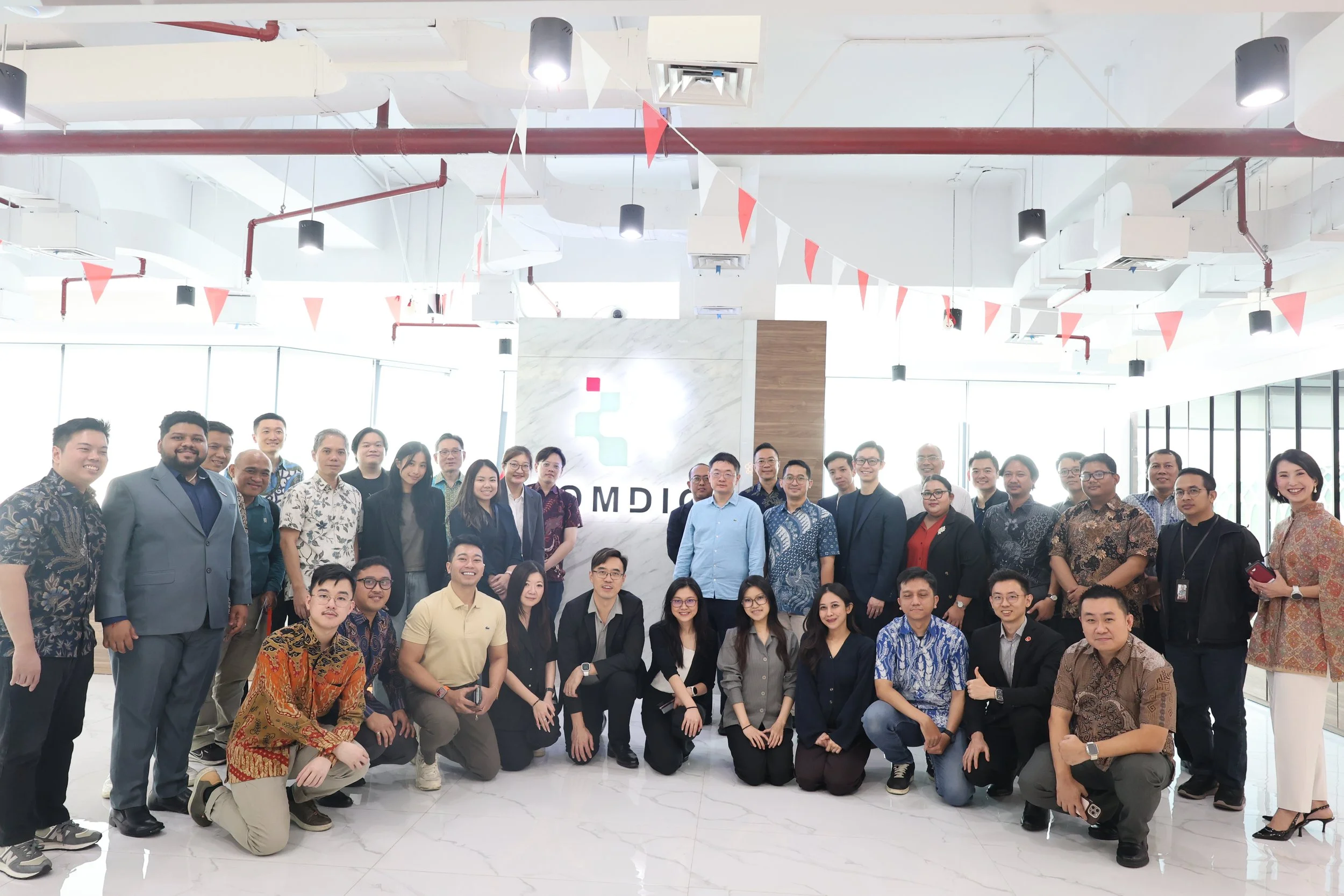
On 28 August, AIBP continued that conversation beyond the conference floor in collaboration with the CyberSG TIG Collaboration Centre (a joint venture between the Cyber Security Agency of Singapore and NUS Enterprise) and SGTech. Ten Singapore AI and cybersecurity companies visited Semen Indonesia Group (SIG) and Bank Negara Indonesia (BNI), before the day concluded at a cyber community working lunch hosted by KOMDIGI with AFTECH and ADIGSI.
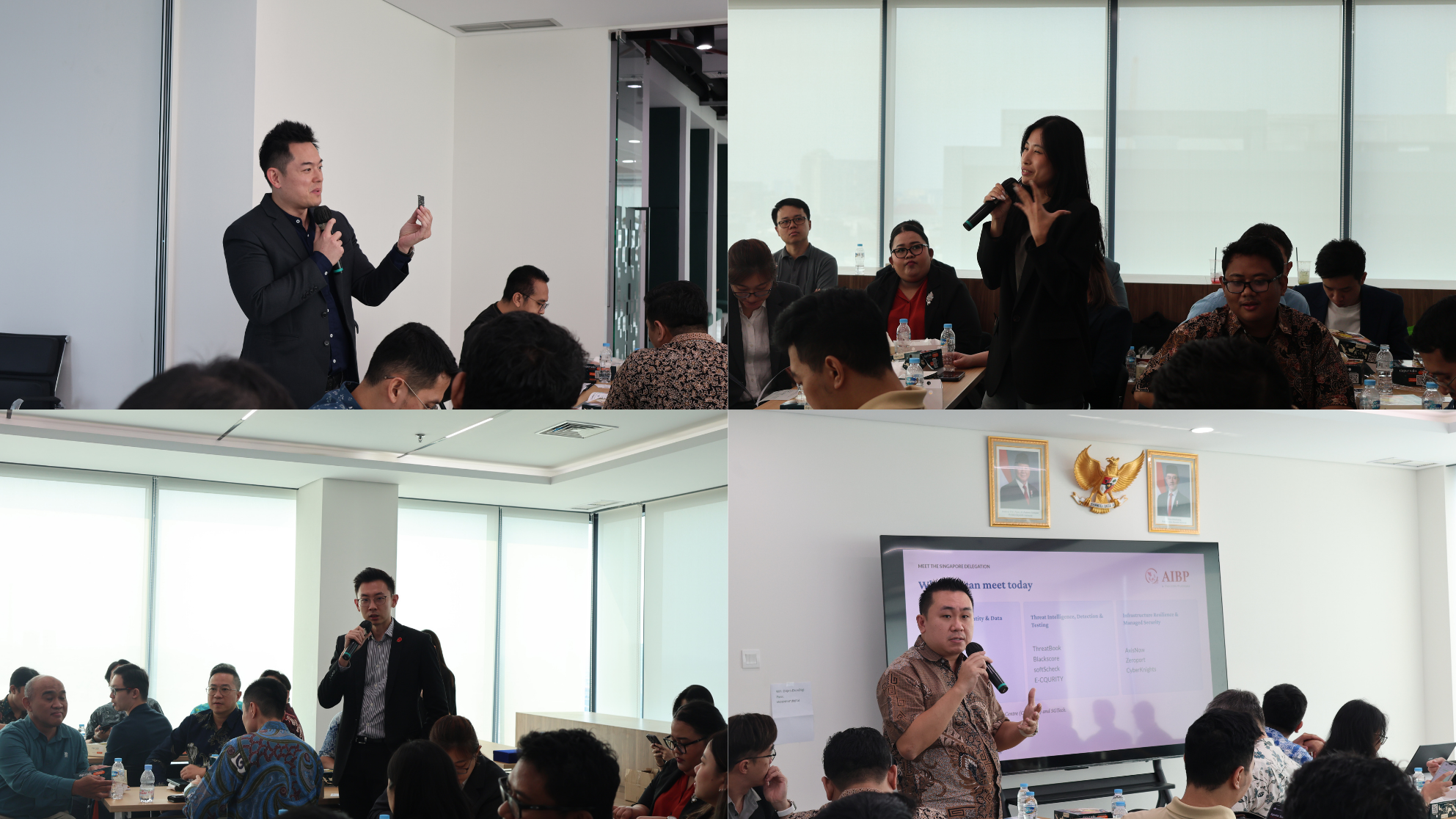
The ten Singapore companies brought expertise spanning digital trust, threat intelligence, OT security, AI governance and infrastructure resilience. Rather than presenting in isolation, the companies responded to the challenges raised by SIG and BNI, sharing how similar issues are being approached in Singapore and where their capabilities could be relevant in practice. The deeper value came from connecting those regional perspectives with the realities both Indonesian enterprises are already working through.
Cyber Resilience Starts Before the Security Tool
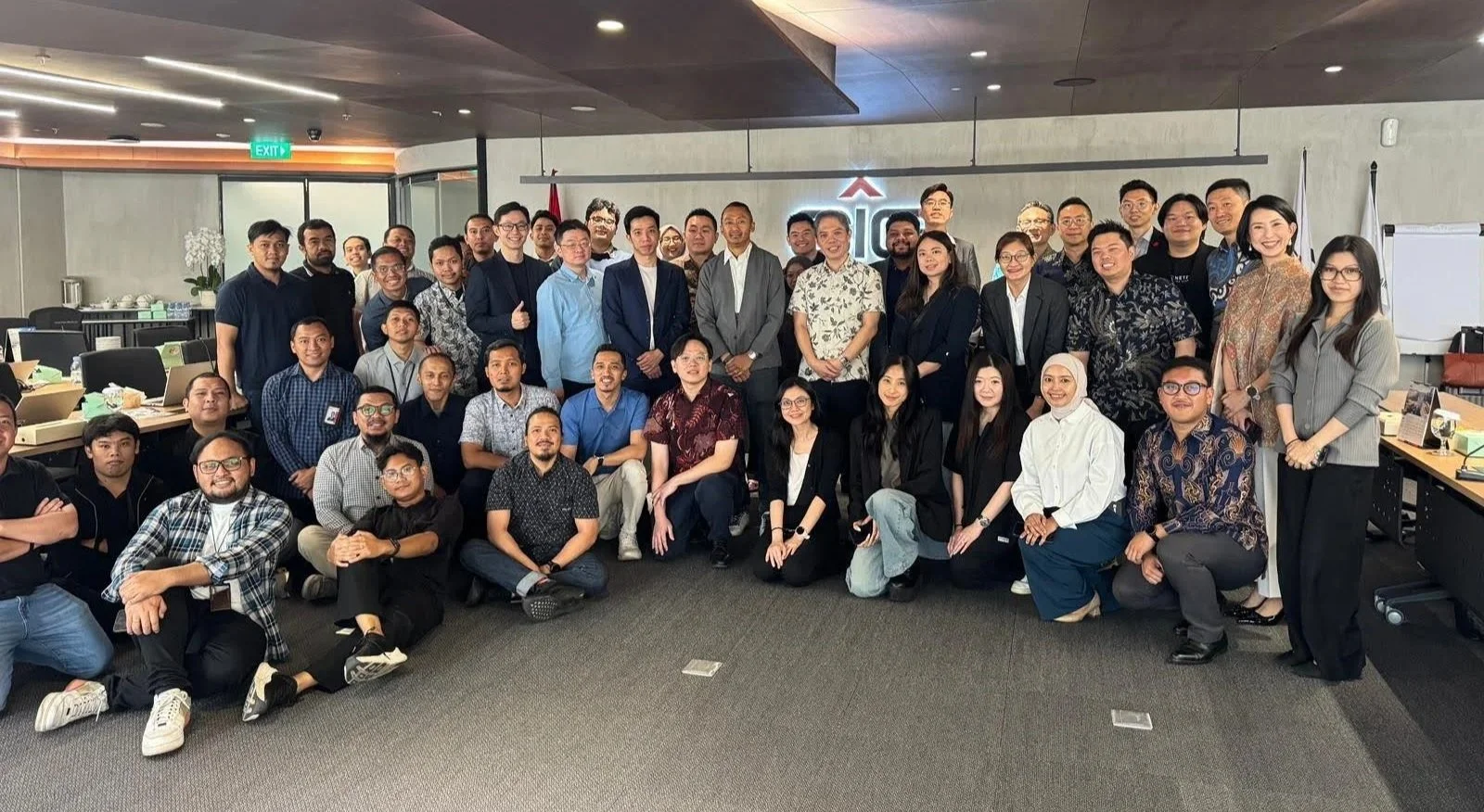
SIG’s cybersecurity journey has accelerated since 2022, when the company began strengthening its capabilities alongside BSSN, Indonesia’s National Cyber and Crypto Agency.
Today, cybersecurity is treated as an enterprise risk rather than an isolated technology issue. SIG has expanded its governance, SOC and incident-response capabilities, red and blue team functions, and employee awareness programmes, all while securing an environment that includes around 11,000 employees, multiple subsidiaries, close to 200 distributors and a retail ecosystem numbering in the tens of thousands.
That scale brings familiar enterprise challenges: legacy systems, different operating environments, emerging AI-related threats and a growing volume of alerts. The challenge is no longer simply detecting threats, but turning that volume into clear priorities and timely action.
Across ASEAN, enterprises adopting more automated incident response have reduced mean time to respond from 45 minutes to around 20 minutes, according to AIBP’s 2025-2026 ASEAN Enterprise Innovation Market Overview. For SIG, where reducing MTTR is already a tracked priority, that regional shift reinforces the importance of moving from detection to faster, more coordinated response.
“The tools don't matter if the governance and the people are not well aware or well educated in terms of the risks and the potential threats of cybersecurity.”
– Anindo Daneswara
That same discipline shapes how SIG approaches newer technology. Rather than starting with AI, the technology team starts with the business problem and the outcome it wants to create. Before pursuing newer capabilities, SIG spent several years reducing technical debt and simplifying an environment that had been consuming too much time in day-to-day operations.
The principle extends into operational technology. SIG’s manufacturing plants retain a degree of independence, making standardisation more complex when operations also need to protect uptime and safety. Security therefore has to focus on how IT and OT connect without disrupting the continuity the business depends on.
For many ASEAN enterprises, the same challenge will be familiar: strengthening controls while keeping increasingly connected operations reliable.
When AI Enters the Decision Path
Where SIG’s challenge is shaped by industrial scale and operational complexity, BNI is securing an environment where AI, data and customer decisions are becoming more closely connected.
The bank described AI use across three areas: fraud detection, credit scoring and personalisation.
“Some cases can move automatically, while others go to a person for further review and a decision on what happens next.”
– Reko Sunaryoko
In fraud detection, AI can flag suspicious activity while cases requiring further attention move to human review. Credit-scoring models support the lending process, while personalisation uses customer information to provide more relevant recommendations through digital channels.
The common thread is that AI can narrow the decision, but governance still determines what happens next.
AIBP’s 2025-2026 Enterprise Innovation Market Overview shows why that foundation matters. Data quality and availability remain the largest barrier to AI implementation for 70.1% of ASEAN enterprises, while data privacy and security are the top concern for 50.3% as organisations scale AI.
BNI’s data management and governance function is working across data quality, metadata and master data management, including customer and product information held across different systems.
BNI also showed how that foundation can support better business decisions. In SME lending, understanding the customer’s wider supply chain, including who pays them and when, can provide a more complete view than assessing the borrower in isolation.
For enterprises moving AI into more consequential workflows, BNI’s experience points to a wider requirement: stronger automation needs to be matched by stronger data governance and clearer human oversight.
From Enterprise Practice to the National Ecosystem
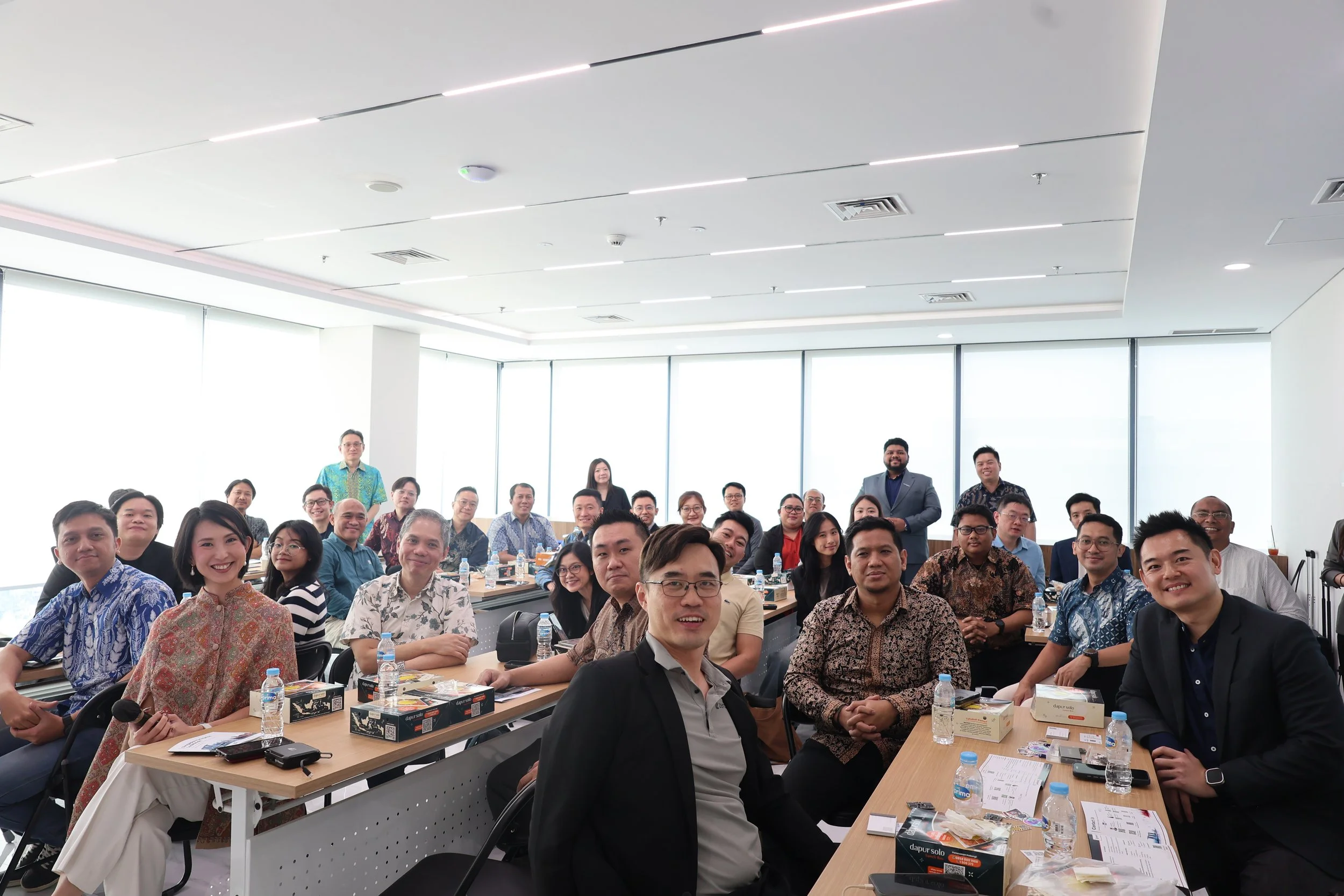
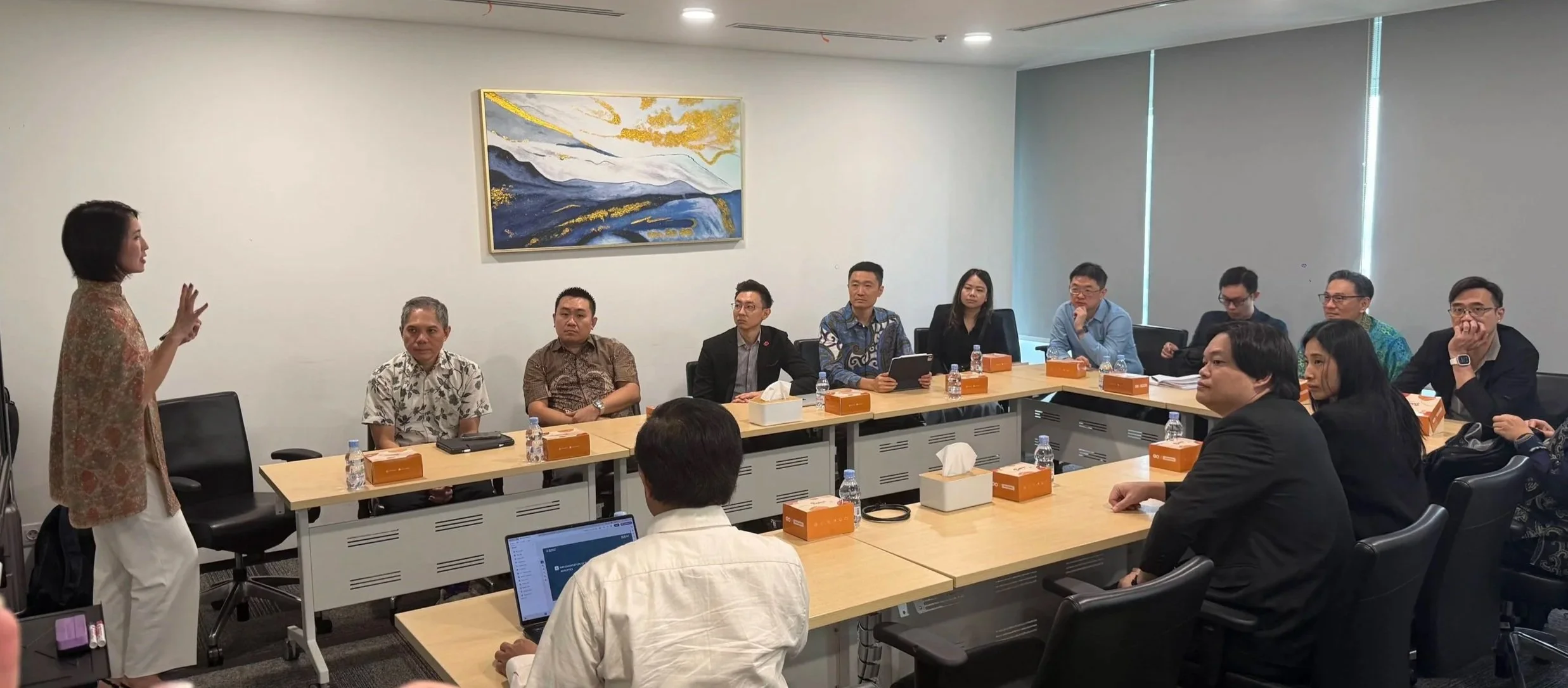
The day closed at Markas KOMDIGI, bringing the two enterprise perspectives back into Indonesia’s wider digital ambition.
Muhammad Faisal described the government's role across three areas: shaping the ecosystem through regulation and governance, building the foundations through infrastructure and capability, and growing its impact through investment, adoption and international partnerships. Cybersecurity and user protection sit within that same framework.
AFTECH and ADIGSI added perspectives from financial services and the cybersecurity ecosystem. AFTECH’s priorities include stronger governance, regulatory collaboration and digital infrastructure, while ADIGSI is working across critical-infrastructure resilience, standards, talent and public-private collaboration.
Through the different lenses offered by SIG and BNI, the day showed how cybersecurity priorities change with the operating environment. For SIG, resilience has to extend across legacy systems, manufacturing operations and OT. For BNI, it increasingly sits alongside AI, data governance and customer decision-making.
The Singapore delegation added another layer to that exchange, bringing experience across the security capabilities increasingly relevant to both environments.
What connected the discussions was not a single cybersecurity model, but the need to build trust alongside transformation. That requires governance that fits the business, technology foundations that can support what comes next, and stronger connections between enterprises, government and the wider regional ecosystem.
Digital adoption can move quickly. Building the resilience underneath it is what allows that progress to last.
About ASEAN Innovation Business Platform (AIBP)
The ASEAN Innovation Business Platform (AIBP) is an initiative focused on enabling innovation and strategic partnerships across public and private organisations in Southeast Asia. Through curated engagement activities, AIBP supports the growth of regional government agencies, enterprises and solution providers in navigating key themes such as innovation, digital transformation, and sustainability.
Learn more at www.aibp.sg
