Enterprise Innovation in the Philippines 2026: From Working Systems to Lasting Advantage
TLDR
AI and data have become shared utilities. The same foundations now sit under customer experience, fraud, risk and daily operations, across sector after sector.
Trust is designed from the start. In healthcare, telco and finance, security testing and human oversight were in place before anything scaled.
Every project came with a number. Risk avoided, hours saved, faster decisions, people actually using it. The metrics did the talking.
The human factor decides whether it lasts. How a tool is designed, and whether people fold it into their work, is what carries it from pilot to permanent.
Inclusion and partnerships multiplied the impact. The strongest work connected internal wins to financial inclusion and to partner networks well beyond the company's own dashboard.
Nearly half of Philippine enterprises name ageing IT infrastructure as their biggest barrier to digital transformation, according to AIBP's 2025/2026 ASEAN Enterprise Innovation Survey.
Organisational silos and security concerns follow close behind, each flagged by more Philippine firms than the ASEAN average. The finalists at this year's showcase were among those pushing against these barriers within their own organisations.
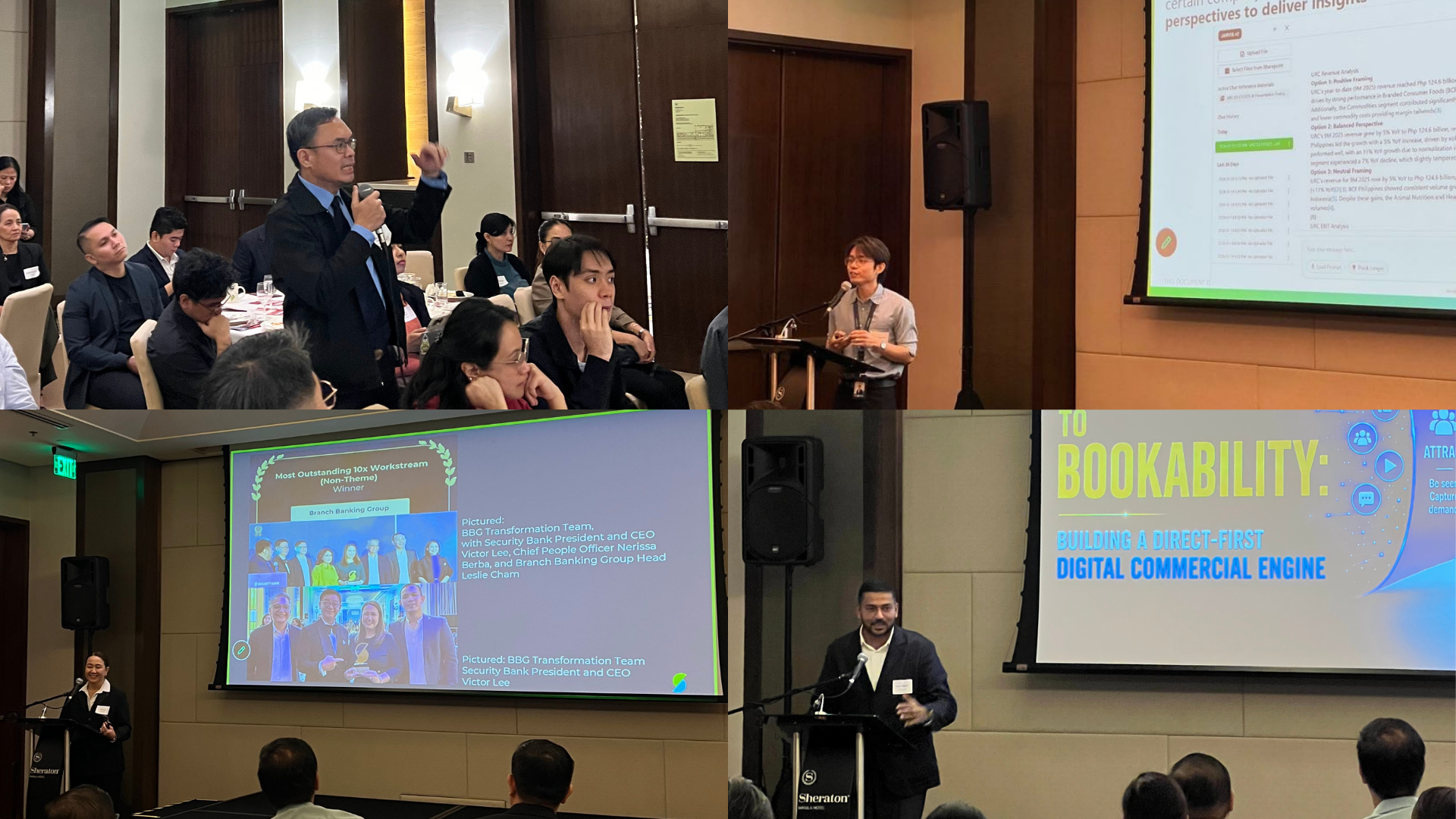
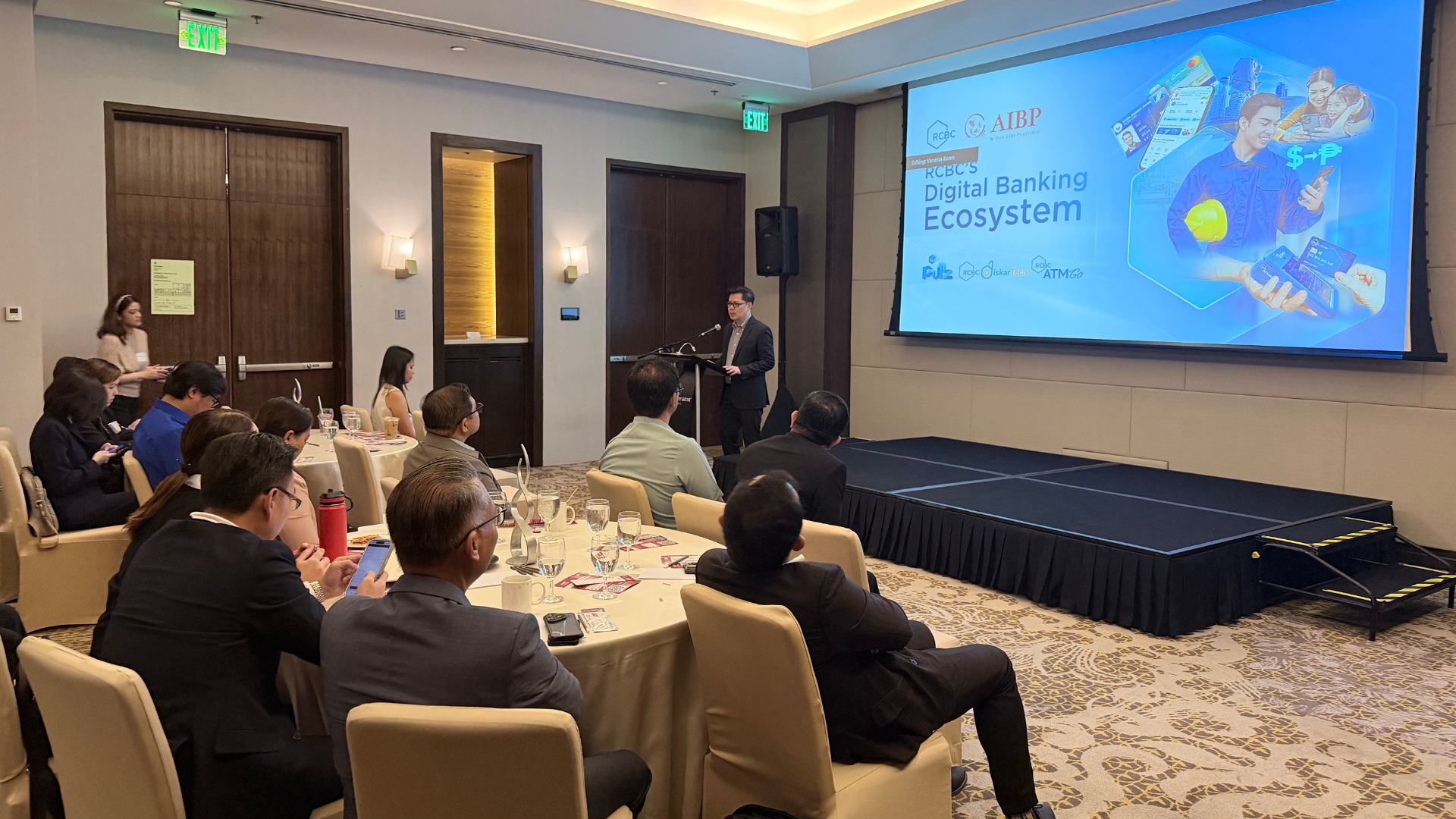
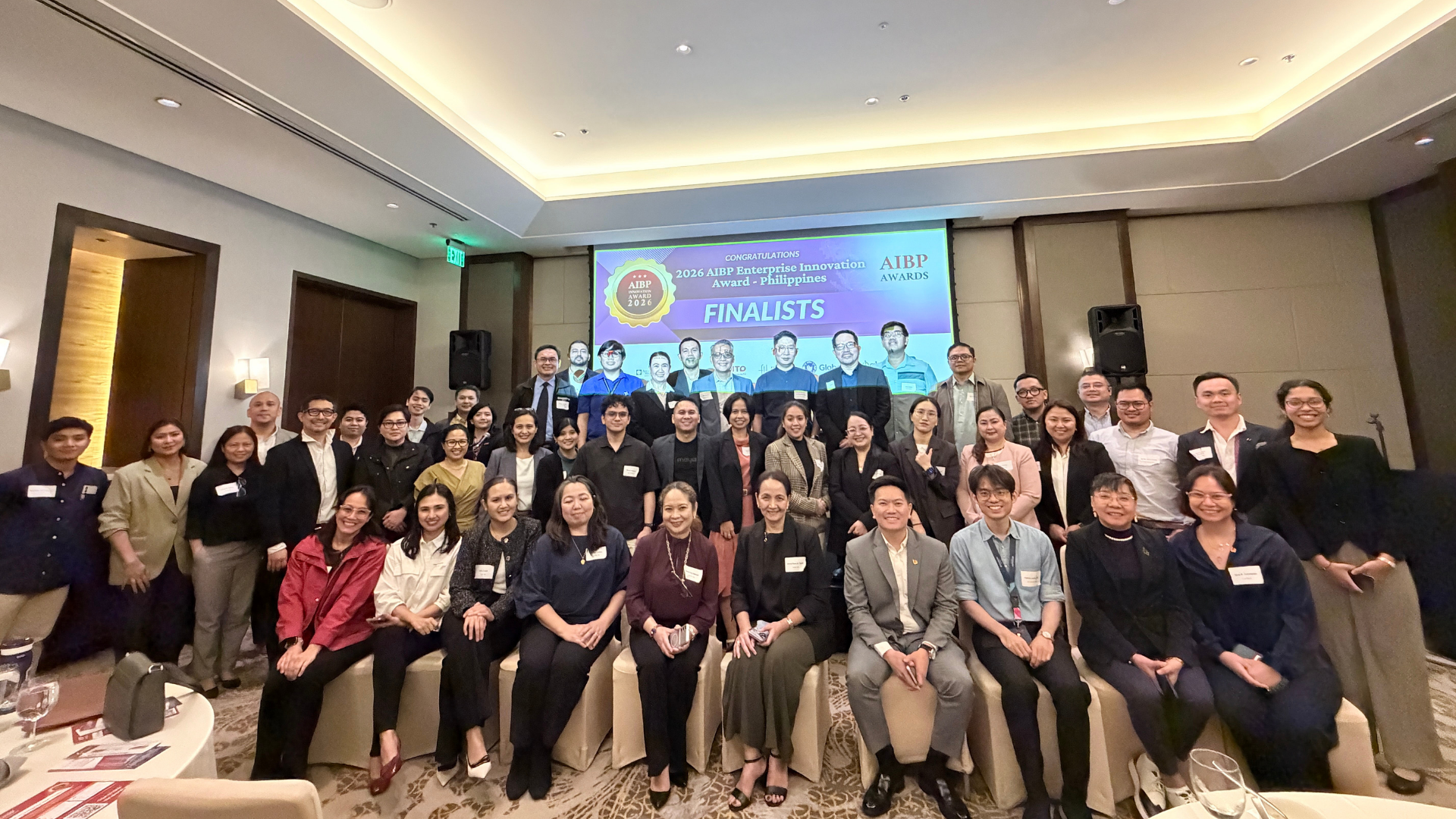
It rained over Manila on 12 August, though inside the Sheraton the mood ran the other way. Sixteen projects across two categories, Data and AI and Open, presented from banking, insurance, telco, healthcare and enterprise services.
However different the sectors, the same handful of challenges came up again, along with the solutions.
AI and data became shared utilities
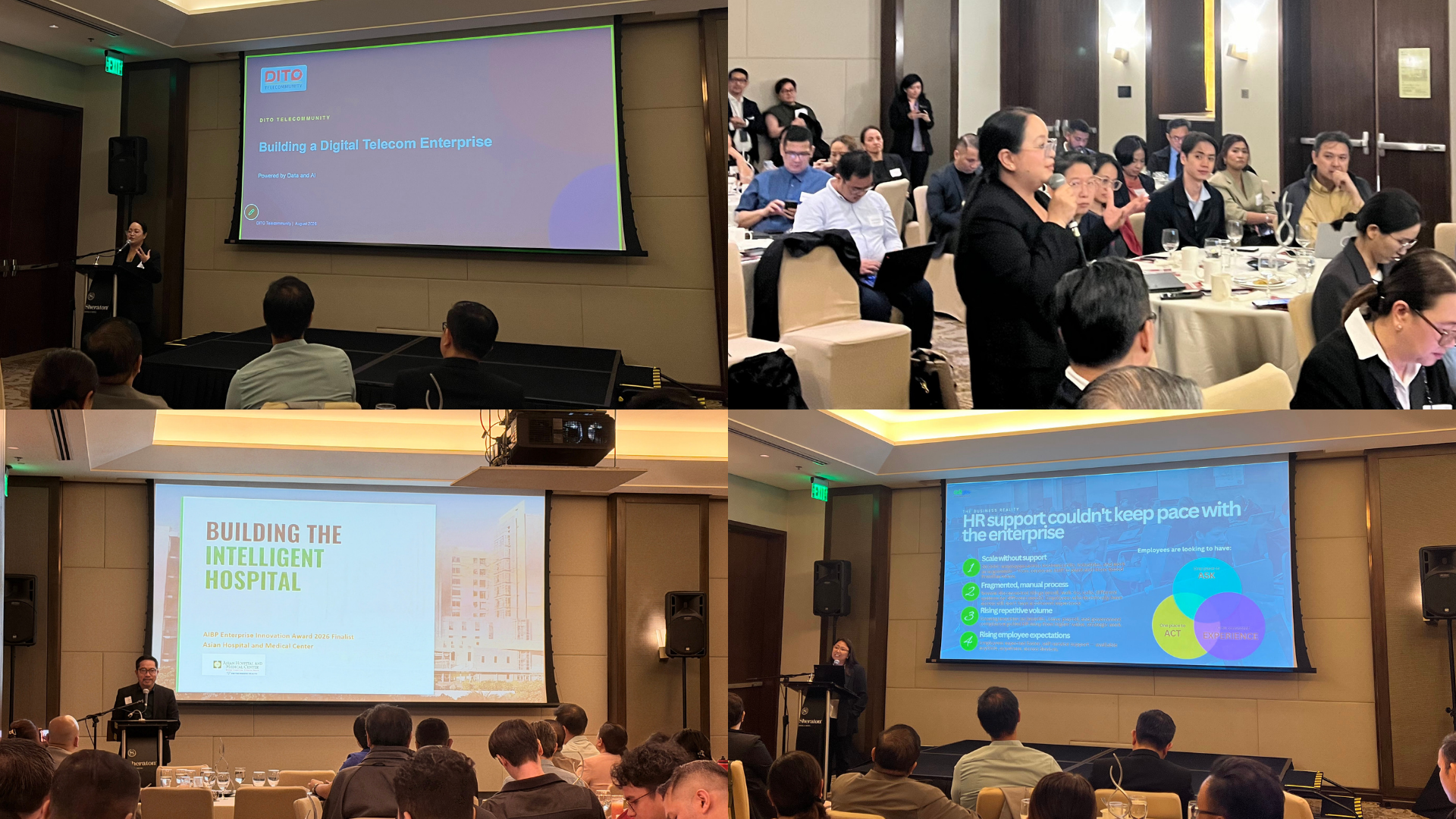
The most mature work on show was also the least visible. These teams had built a foundation several parts of the business could draw on.
One shared data platform fed a customer chatbot in one division and a fraud model in another, so a single investment earned its keep in more than one place.
In one hospital, system uptime had become a patient-safety measure that the operations team watched as closely as any clinical reading.
For the companies furthest ahead, AI had stopped being a project with a start and an end and became something the organisation simply ran every day.
Trust is designed in from the start
In the more regulated corners of the room such as healthcare, telco and finance, governance came first.
Teams ran security testing and privacy reviews before launch, and several kept their models on their own servers where data rules demanded it. The AI was allowed to draft and recommend, while a clinician or a risk committee kept the final say on any decision that carried heavy consequences.
Assistants were tied to internal records and made to show where each answer came from, so staff could verify it, and every decision was logged for later audit.
In sectors where a single error is costly, that discipline is exactly what makes it safe to move quickly.
Every project came with a number
The teams aimed AI at a single expensive problem and measured what it returned.
Risk assessments that once took months were being turned around in weeks, and a help-desk query that used to take an afternoon came back in seconds, with ticket volumes dropping sharply behind it.
One team had prevented fraud losses running into the millions. Essentially, the projects that move forward are the ones that show a return. The rest stay demonstrations, however polished they look.
The human factor decides whether it lasts
While the engineering was a great feat in itself, most teams were proudest of the adoption rate.
A healthcare presenter had almost every clinician on its new system, and a bank’s customer app had reached nearly everyone it was built for.
That level of uptake was a matter of design and habit. The tools that spread resembled the messaging apps staff already used all day and answered in the language they actually spoke. People gravitated to whatever repaid them quickly, whether that was a larger commission or a shorter queue.
The teams that got this right had built the tool alongside the people who would eventually use it, and that is what carried these systems from a successful pilot into something that held its place in the working day.
Inclusion and partnerships multiplied the impact
The most ambitious teams built for people beyond their own organisation. Some aimed at financial inclusion, using digital channels to reach customers a bank would once have found too small or too remote to serve.
Others opened their systems to partners, so a single platform served a whole network rather than one firm. What made this work was connecting what already existed rather than building it new.
Teams wired together tools already in place, banking rails, payment partners, government databases, into one journey a customer could complete in minutes.
The hardest problems were shared ones
Underneath the sector differences, the challenges looked remarkably alike. The underlying data was rarely clean, and bringing people along was the harder work. Governance was the third, keeping a system safe enough to scale.
That common ground is what makes the day useful beyond any single winner, because a shared challenge means no organisation has to face it alone.
Those same conversations continue at the AIBP Conference and Exhibition Philippines on 23 and 24 September 2026 in Manila, where senior enterprise and government leaders from across the region take them further, and where the winners of the 2026 AIBP Enterprise Innovation Awards Philippines will be announced live.
