
53rd AIBP Conference & Exhibition Malaysia Day 1: Enterprise AI Moves From Adoption to Accountability
Maybank has committed RM10 billion to technology, data and artificial intelligence (AI) over five years.
Speaking on the first day of the 53rd AIBP Conference & Exhibition Malaysia, held on 8 July at W Hotel Kuala Lumpur, Dr. Siew Chan Cheong, Chief Strategy and Transformation Officer, said the bank had produced a handful of productionised use cases in its first year.
Once AI adoption was anchored to defined business outcomes, it then produced 30 in three months.
The technology had always been available. What shifted was ownership: who the outcome belonged to, and who was measured against it.
Across the day, senior decision-makers from Malaysia's largest enterprises and public institutions took on what looked like separate problems:
How to measure AI returns?
Who owns enterprise data?
How much autonomy to grant systems that increasingly act on their own?
Under the theme ‘Navigating the Intersection of Business, Technology and Sustainability’, the same three threads kept surfacing, each one a marker of where digital transformation in Malaysia stands today.
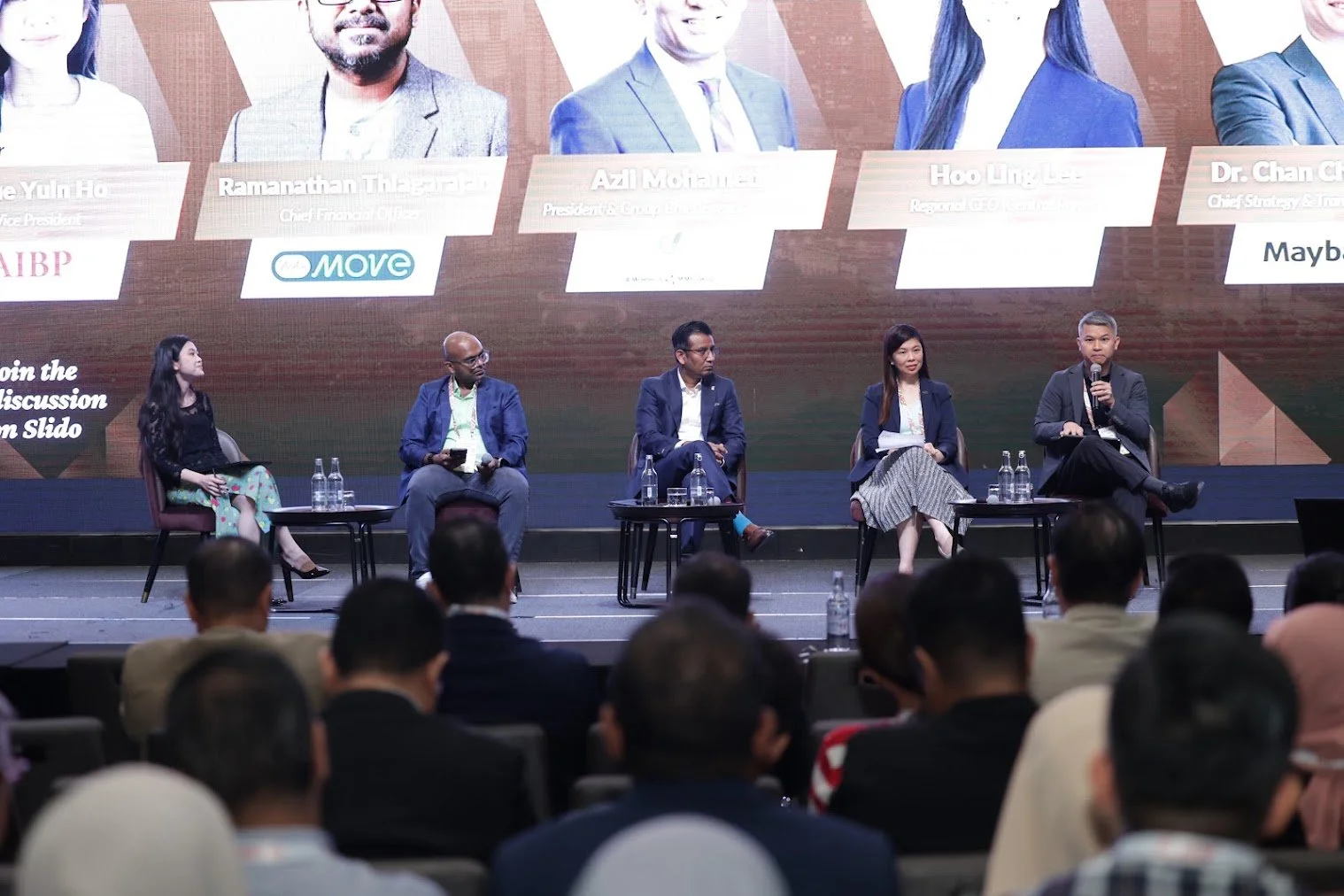
Measurement Follows Ownership
The keynote panel on the economics of AI transformation returned repeatedly to whether AI is paying off, and found the answer harder to pin down than expected.
Hoo Ling Lee, Regional CEO of KPJ Healthcare, put the difficulty plainly. Expectation of return on investment (ROI) is widespread across the market, while evidence of it is thin. Boards are approving budgets against a confidence that the numbers have not yet caught up with.
Ramanathan Thiagarajan, Chief Financial Officer of AirAsia Move, offered a way through. Give ROI ownership to whoever owns the business problem.
He pointed to a recent project staffed largely from finance rather than technology, where the people accountable for the outcome were the same people who understood what the outcome was worth.
Azli Mohamed, President and Group Chief Executive Officer of Gas Malaysia, described how this works inside a regulated utility.
Every AI investment is weighed across operational efficiency, financial return, predictive accuracy and overall business value. These four lenses are applied consistently, with a named owner behind each investment.
The panel's takeaway was plain: success is measured as a business result – in revenue, cost or outcomes delivered.
The path there remained consistent across industries. AI initiatives graduate from pilot to production in three parts: define the business problem first, build the data foundation beneath it, and bring people along for adoption.
AI amplifies what a company already does well, and rarely compensates for what it does badly.
Ownership Is Inherited, Not Designed
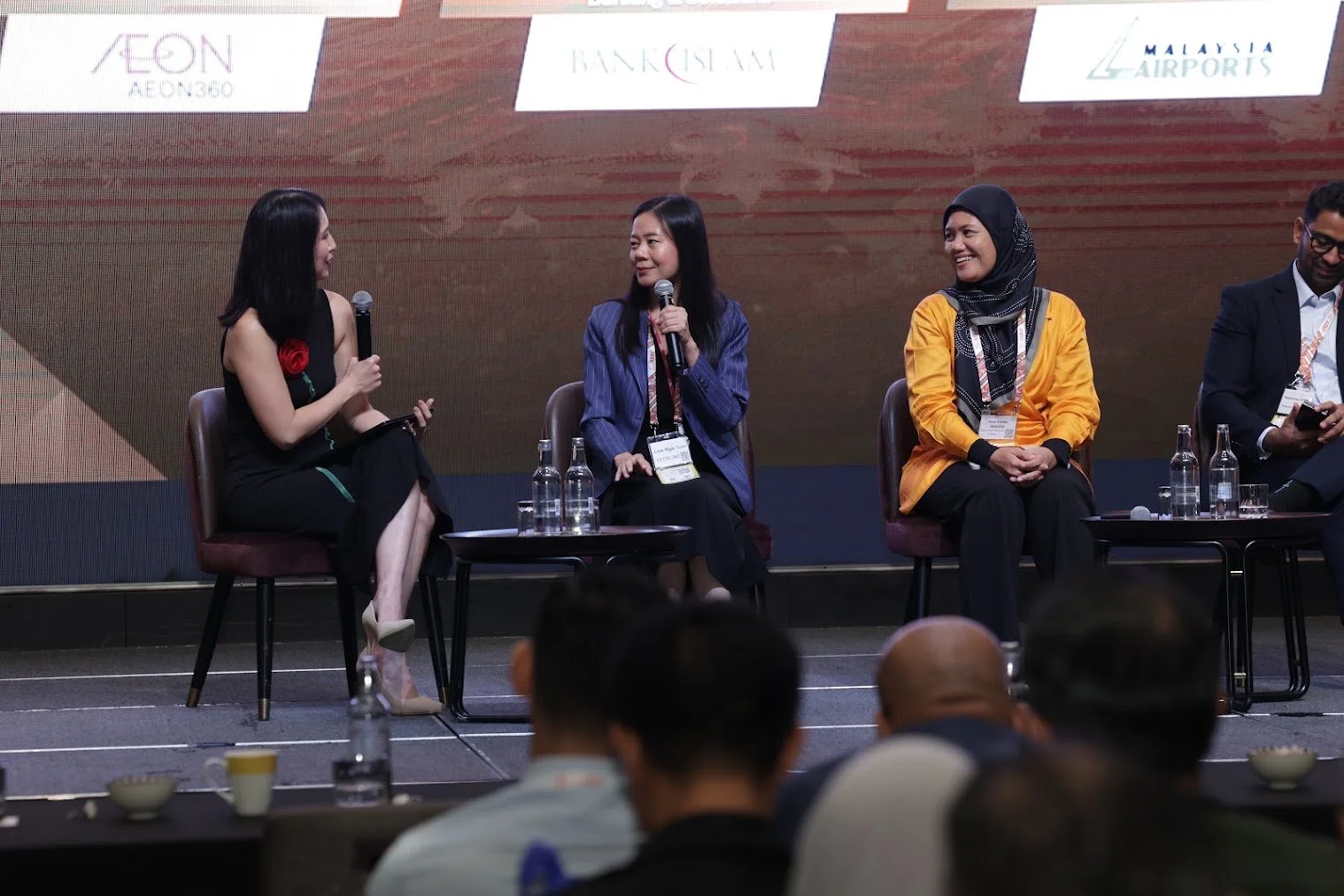
If AI value depends on business outcomes, those outcomes depend on data.
The next panel took up a question every large organisation now faces: who owns the data when everyone needs it?
The consensus was clear. Data belongs with the business units that create and use it, with central teams enabling sharing rather than controlling it. Several panelists went further, arguing data deserves treatment as a balance-sheet asset, governed collectively across the business.
Ownership and accountability, though, is more complicated in practice. In most large Malaysian institutions, the data predates the current owner by years. A business unit cannot vouch for an outcome if it cannot vouch for the data underneath it.
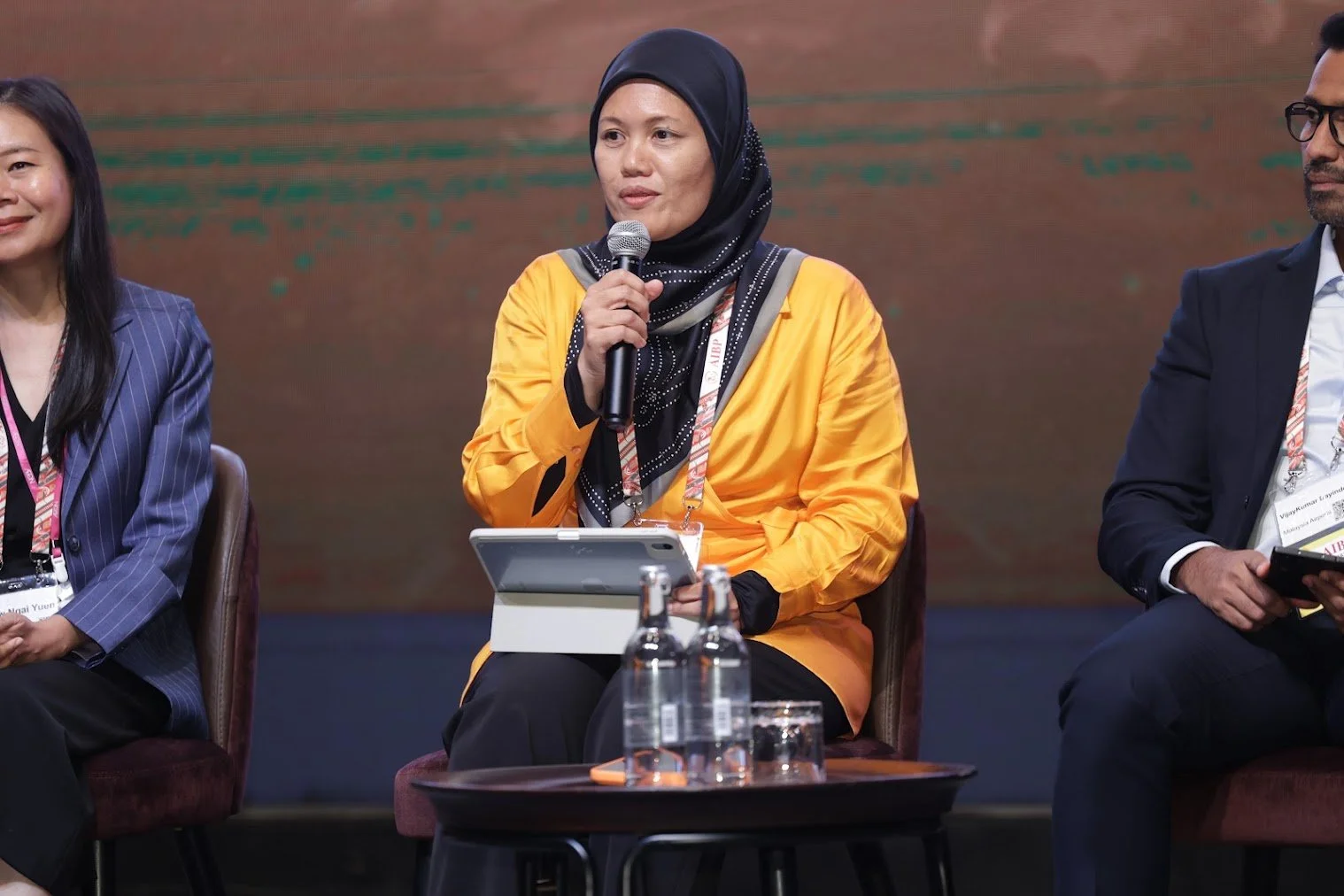
Farilla Abdullah, Group Chief Digital Officer of Bank Islam, described inheriting years of legacy systems and definitions built long before she arrived. That is why sequencing matters more: governance and innovation move forward together,each enabling the other.
Organisations that wait for perfect governance stall, while those that run too far ahead of it eventually get reined in.
The panel's sharpest line landed here: data is the durable competitive advantage, while models are fast becoming commodities.
Every institution can buy the same model but none of them can buy each other's history.
Oversight as a Design Decision
The day's security sessions gave the theme its urgency. Frontier AI models can now probe systems the way skilled human attackers do, at machine speed and around the clock.
The interval between a vulnerability surfacing and being actively exploited has compressed to a matter of hours.
The closing panel revealed a spectrum of approaches, each shaped by industry risk profile. Some argued for hard technical guarantees that make greater agent autonomy safe. The banks on stage held that a human confirmation step for every consequential actionmakes AI trustworthy, reflecting the accountability regulators place on the institution regardless of what the technology does.
Between those positions sat a pragmatic middle: scale guardrails to what is genuinely at stake. The strictest oversight is reserved for decisions that are irreversible or externally facing, which allows safer cases to move quickly.
The banks were clearest on their position because the liability lands on them. When a regulator asks who approved a decision, no institution wants the answer to be a model.
Where the Real Work Sits
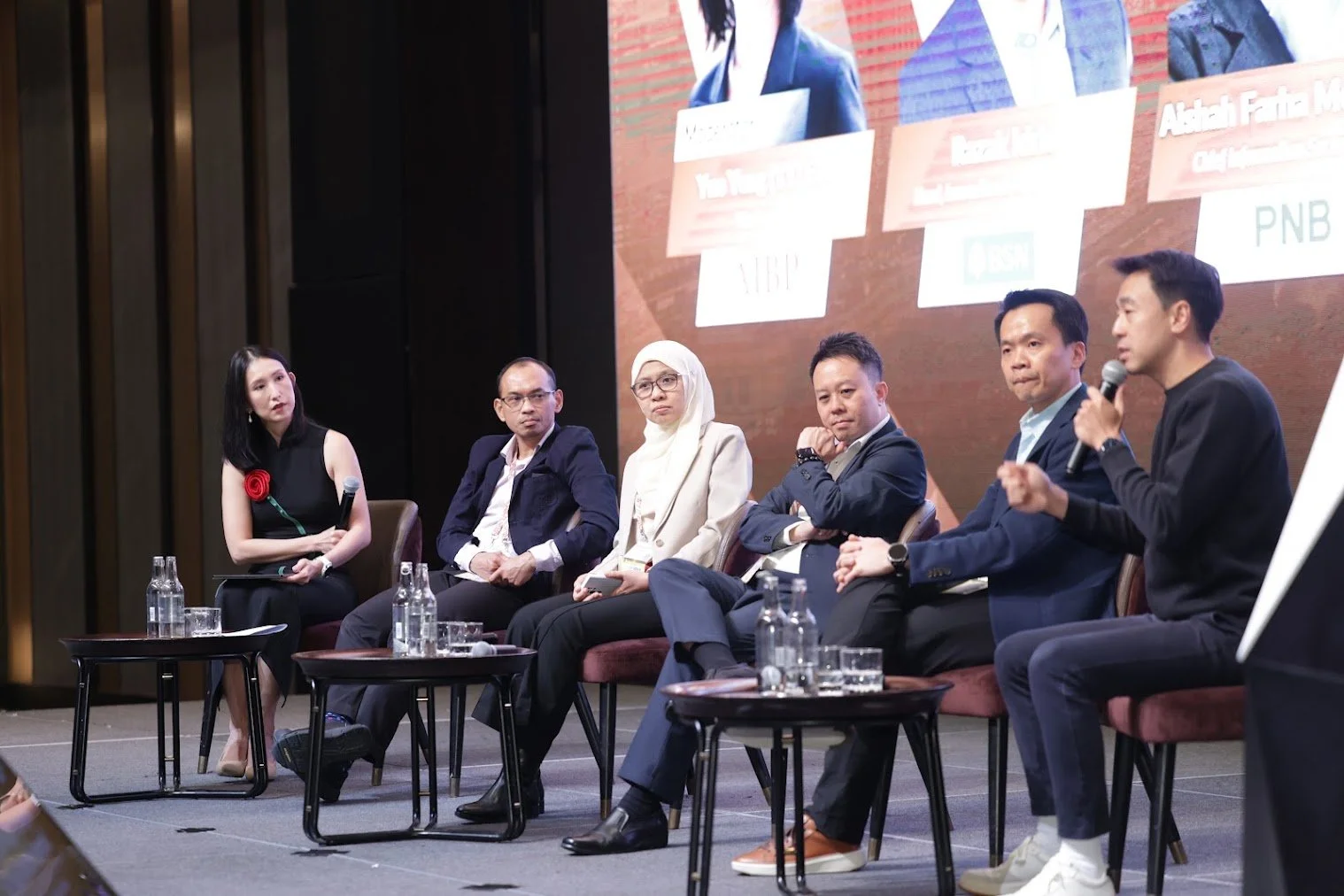
What surfaced from the first day of the conference, was the quiet constraint of accountability.
But the accountability questions are no longer abstract. They are showing up in budget decisions, data governance policies and the design of AI systems themselves.
As Malaysia moves toward its Digital Economy 2030 target, the work is already underway.
Malaysian enterprises are testing approaches against their own risk profiles rather than importing someone else's. It may be slower than a template, but closer to how it actually gets decided.
Day 2 pressed further, shifting from the structural questions to the human ones.
See what's next for AIBP. Explore our upcoming activities here.