
Beyond Reporting: What It Takes for Data Platforms to Support Live Decisions
TLDR
AI initiatives gain traction when they begin with a measurable operational outcome. AirAsia linked machine learning to aircraft assignment, fuel efficiency, and service reliability.
Data platforms now need to support action while events are unfolding. Reporting remains useful, while live operations require connected data, workflows, and APIs.
A trusted single view depends on context, ownership, and shared standards. Enterprises can retain local ownership while making data easier to discover and use across the organisation.
Modernisation works best when it follows a priority use case. Enterprises can update the relevant part of the architecture, demonstrate value, and expand from there. This approach may require modern and legacy systems to coexist while integration complexity is managed.
AI agents require clear operating boundaries. Data classification, controlled access, traceability, and human oversight determine where agents can be deployed safely. These controls must also remain current as data classifications and agent capabilities evolve.
Assigning an aircraft to a flight sounds straightforward. In practice, planners must weigh aircraft condition, route distance, fuel consumption, maintenance requirements, and the operational disruption that may have emerged that morning.
Planners have always made these decisions. The difference is that they must now be made faster, more frequently, and with fuel efficiency treated as a core operational variable.
AirAsia’s award winning Tail Assignment system applies machine learning to recommend the most suitable aircraft for each flight, balancing operational requirements with fuel efficiency. It strengthens an existing planning process rather than replacing the judgement of operational teams.
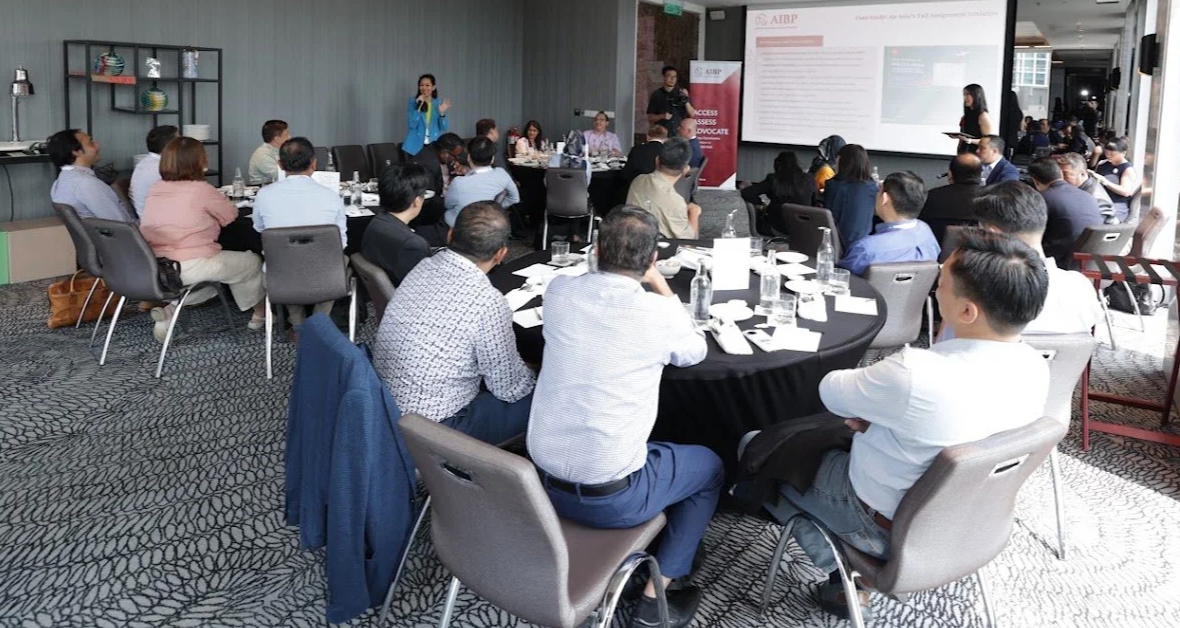
The case was discussed during Operationalising Data for Better Business Results, a private networking session convened by AIBP with MongoDB at the 53rd AIBP Malaysia Conference & Exhibition. Leaders from aviation, energy, construction, telecommunications, and financial services examined what data platforms are now expected to do and what those expectations mean for enterprise governance.
Enterprise Data Platforms Must Support Real Time Decision Making
For years, enterprise data programmes focused on visibility. Information moved from operational systems into warehouses and dashboards so leaders could understand what had already happened. The architecture was primarily designed around a reader.
Live operations ask something different. Data must be accessible across applications, connected to workflows, and structured so employees and systems can respond while events are still unfolding. The consumer of the data may now be an operational process rather than only a person reading a report.
This aligns with enterprise priorities across ASEAN. Cost optimisation and operational efficiency are cited by 80.2% of enterprises, while 55.8% are prioritising innovation in products, services, and business models.
AirAsia’s experience shows how this changes the role of a data platform. The Tail Assignment system evaluates fuel efficiency factors at a scale and speed that support the judgement of operational planners. Its value lies partly in processing combinations of information that people cannot reasonably hold in their heads at once.
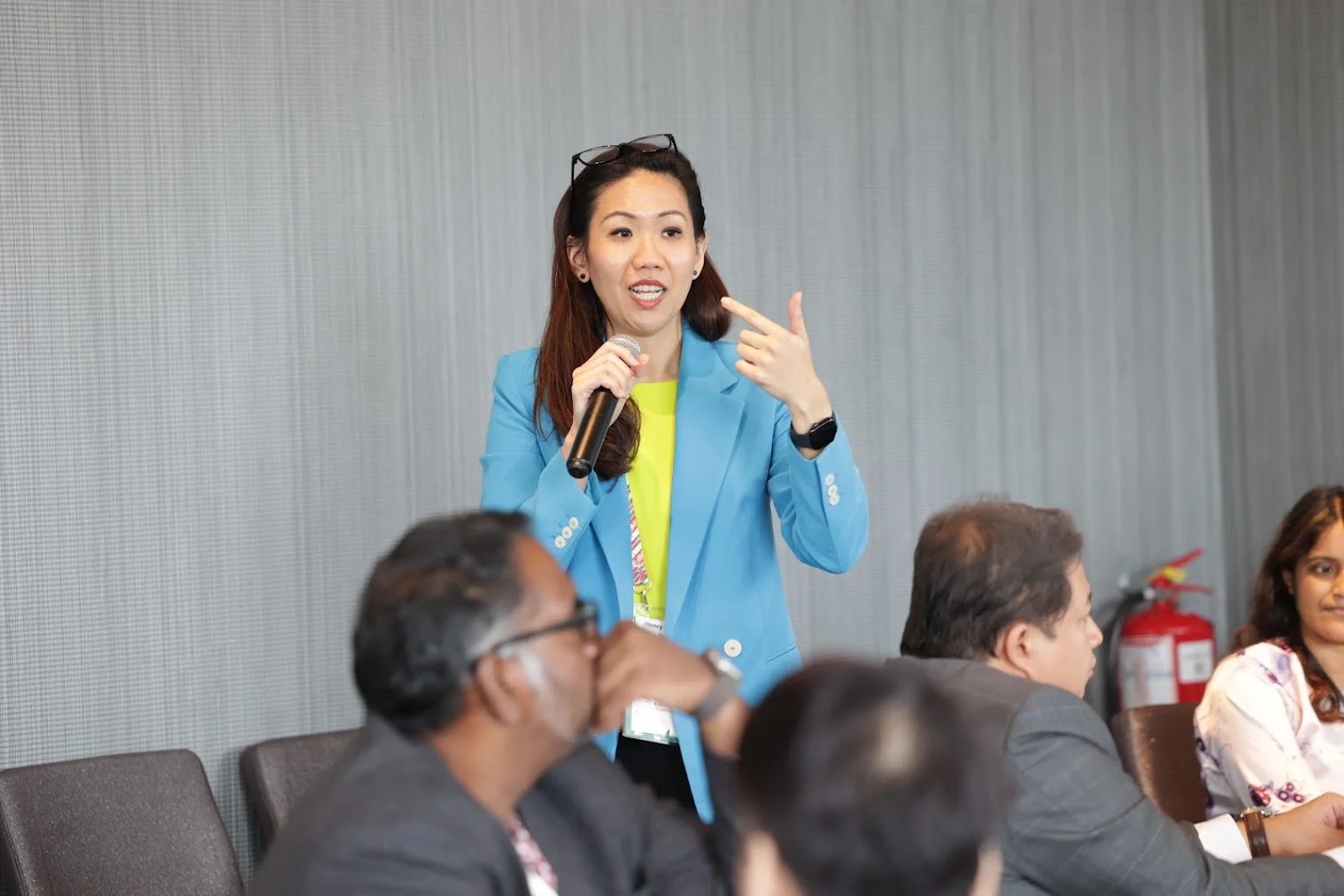
“Originally, tail assignment was already being done operationally. What we have done is use AI and machine learning models to optimise it by doing things that humans cannot do.”
Honey Hong Gin Theng, Head of Product & Innovation, AirAsia
The harder step comes after the recommendation: connecting it to execution. AirAsia is building more internal capabilities so its systems can access the data and APIs required to support decisions across operations.
A Trusted View Is an Organisational Achievement
For many enterprises, a trusted single view has been a longstanding ambition. Platform modernisation brings the issue forward because inconsistent definitions, unclear ownership, and duplicated reports can move into the new architecture with the data.
For a large, asset intensive organisation such as PETRONAS, the practical decision is which information should be shared across the enterprise and which should remain with individual assets. The objective is therefore selective coordination rather than complete centralisation.
“You might be operating two assets, with data coming from each of them, and each asset owning specific information. Look at your operations, see what aspects need to be centralised, what needs to remain asset owned, and work from there. It is a journey.”
Muhamad Nasri Jamaluddin, Head of Enterprise Architecture, PETRONAS Digital
The same principle applies to quality. Nasri observed that “somebody’s rubbish is someone else’s gold dust.” Data that is unsuitable for one purpose may still support another when users understand its source, limitations, and level of quality.
CelcomDigi highlighted the value of making existing information easier to discover and reuse. Through its reporting catalogue, employees can see what reports and datasets are available, how they are used, and the impact they support. This strengthens data literacy and encourages wider use of existing information.
The benefit does not come solely from consolidating information. It comes from making information findable, understandable, and reusable.
A trusted single view therefore depends on clear ownership, usable metadata, common definitions, and visible quality indicators. Physical consolidation is one part of the architecture, but it does not resolve the organisational questions by itself.
Enterprise architecture can define standards and structures. Sustaining them also requires business and asset owners to maintain definitions, metadata, and quality as operations change.
Modernisation Moves at the Speed of a Use Case
Legacy data, infrastructure, and applications are present across most established enterprises. The more effective path is to modernise the parts that support a defined business outcome.

“You cannot modernise in one big bang. Think about the key use case you want to improve, and then start modernising that part of the data platform.” Thorsten Walther, Managing Director, CXO Advisory, MongoDB
The appeal is that architecture decisions become testable. Identify the data a priority outcome requires, update the systems that hold it, measure the operational effect, and let that result decide the next tranche.
The trade-off is real and worth naming. Sequencing modernisation behind use cases means accepting a period of coexistence, where modernised and legacy components run alongside each other and the integration surface grows. Enterprises are choosing evidence over coherence, at least for a while.
AI Agents Make Governance Load Bearing
As data platforms become more connected, enterprises are beginning to deploy AI agents that retrieve information, support recommendations, and assist with actions across workflows.

Eng Hwa Goh, Head of IT Service Delivery at Malaysia Aviation Group Berhad, highlighted the importance of maintaining visibility as information moves between systems. Knowing what an agent accessed, changed, or passed to another system becomes harder at the point when traceability matters most.
The priority is to define which data an agent can access, which systems it can interact with, and how its actions will be recorded.
Maybank showed how this can be applied through classification and tagging.
“We classify the data and what can be used for training. We ensure that classification is done, the tagging is done properly, and so we know what data is being used to train our AI agents.”
Low Mei Kee, AVP, Data Architect, Maybank
Restricted and embargoed information stays with authorised groups. Data cleared for wider internal use can support employee-facing agents. During Maybank's move to Merdeka 118, an internal agent fielded staff questions on parking, dining, and facilities. A low-stakes deployment, which is the point: the classification work was done before the agent existed, not after.
Business Outcomes Set the Architecture
The practical sequence for turning data investments into business outcomes is straightforward: define the outcome, identify the data required, modernise the relevant systems, and set clear controls around access and use.
If a trusted view depends on ownership and metadata rather than consolidation, then the work is organisational, and it is unclear which function in a Malaysian enterprise is accountable for it. Enterprise architecture can define the standard. It cannot make an asset owner maintain it.
If modernisation follows use cases, the question is what happens to the parts of the estate no use case ever reaches, and whether the integration debt accumulating between old and new eventually costs more than the big-bang programme everyone avoided.
And if agents are governed by data classification, the governance is only as current as the classification. Neither the classification effort nor the agent estate is static, and nobody in the room claimed the two were moving at the same speed.
