
AIBP Conference & Exhibition Thailand 2026 Day 2: AI Adoption ≠ AI Value
According to Thailand's National Electronics and Computer Technology Center (NECTEC), 43% of Thai enterprises already use AI in some form, though most of that use stays at the level of a basic chatbot, with only about 4 to 5% running AI agents in live production.
The AIBP Conference & Exhibition Thailand 2026 continued into its second day on 3 September at W Hotel Bangkok, opening with the reframe that shaped everything after it: adopting AI and creating value from it are two different achievements, and most organisations have only managed the first.
That distinction carried through the rest of the day. Access to AI was rarely the constraint for anyone on stage. What decided whether AI actually created value was everything sitting underneath it, starting with the data feeding it, to the process it landed in, and the business problem it was meant to solve.
Execution Decides the Value
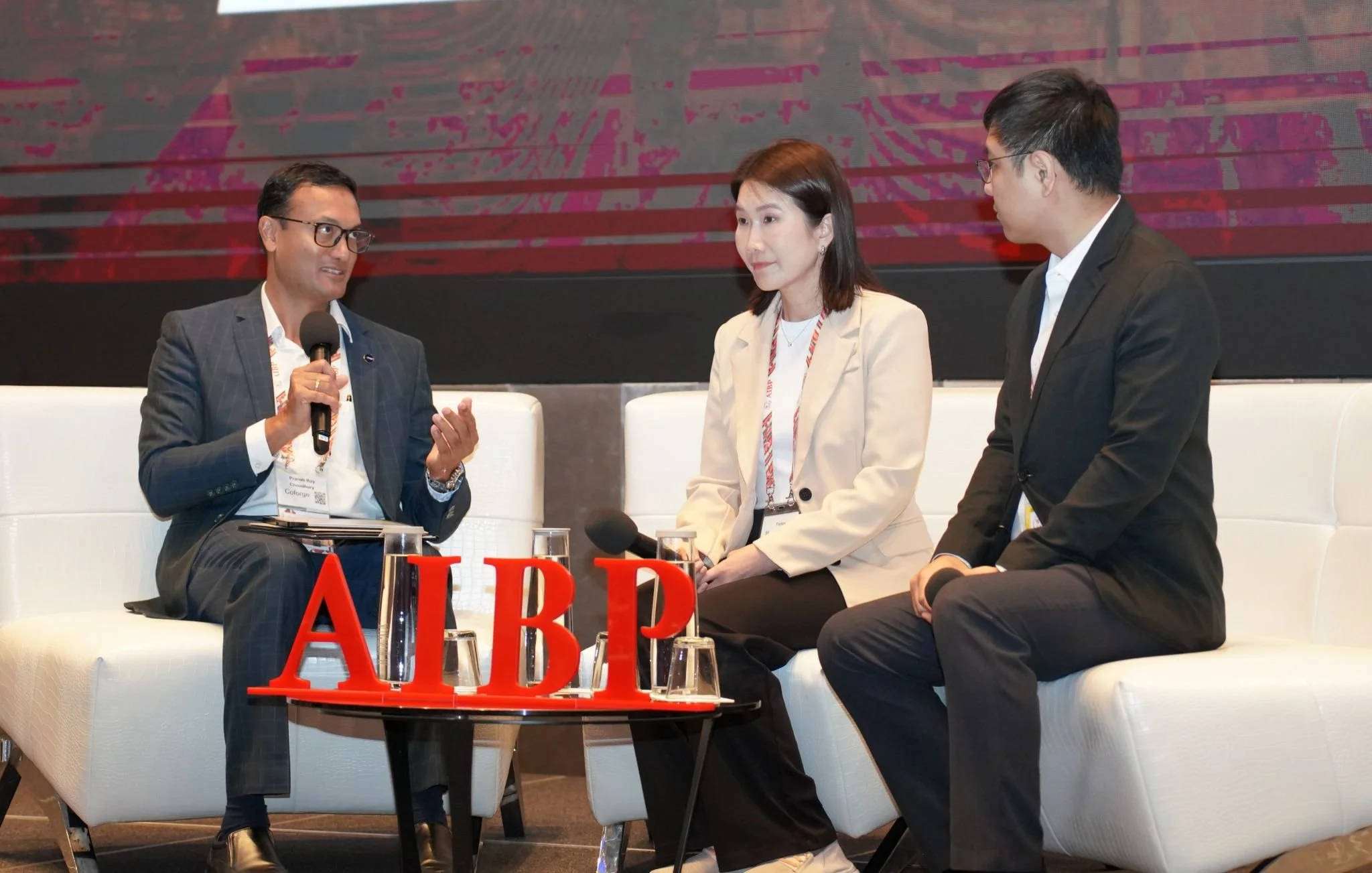
Day 2 started with an important distinction: Adopting AI and creating value from it are two different metrics of success.
In customer experience, that value shows up only once an AI tool actually changes what a customer walks away with, not just what gets rolled out behind the scenes.
Anuchit Chitpirom, Chief Innovation and Transformation Officer at CardX, highlighted that the real constraint was “trust”. This meant earning the trust from risk, compliance and model-risk teams to use AI at every step of the customer journey, before it ever reaches production.
That's why those teams join at the design stage as partners rather than approving the tool once it's already built, with CardX rolling out AI in order of regulatory risk, starting with lower-stakes work like document review before anything closer to a credit decision.
Paitee Skooleiampaibool, Deputy Managing Director at Boonthavorn Retail Corporation, took a similar approach by focusing on internal expertise. Her team built an AI copilot for its 400 in-store salespeople, who already understand that supply chain, rather than for the customer directly.
The disconnect between backend AI capabilities and real-world results comes down to data execution. Aitsanart Wuthithanakul of Lotus's summed it up in one line: "Customers don't experience your data or your model. They experience the execution."
Data Readiness Decides the Ceiling
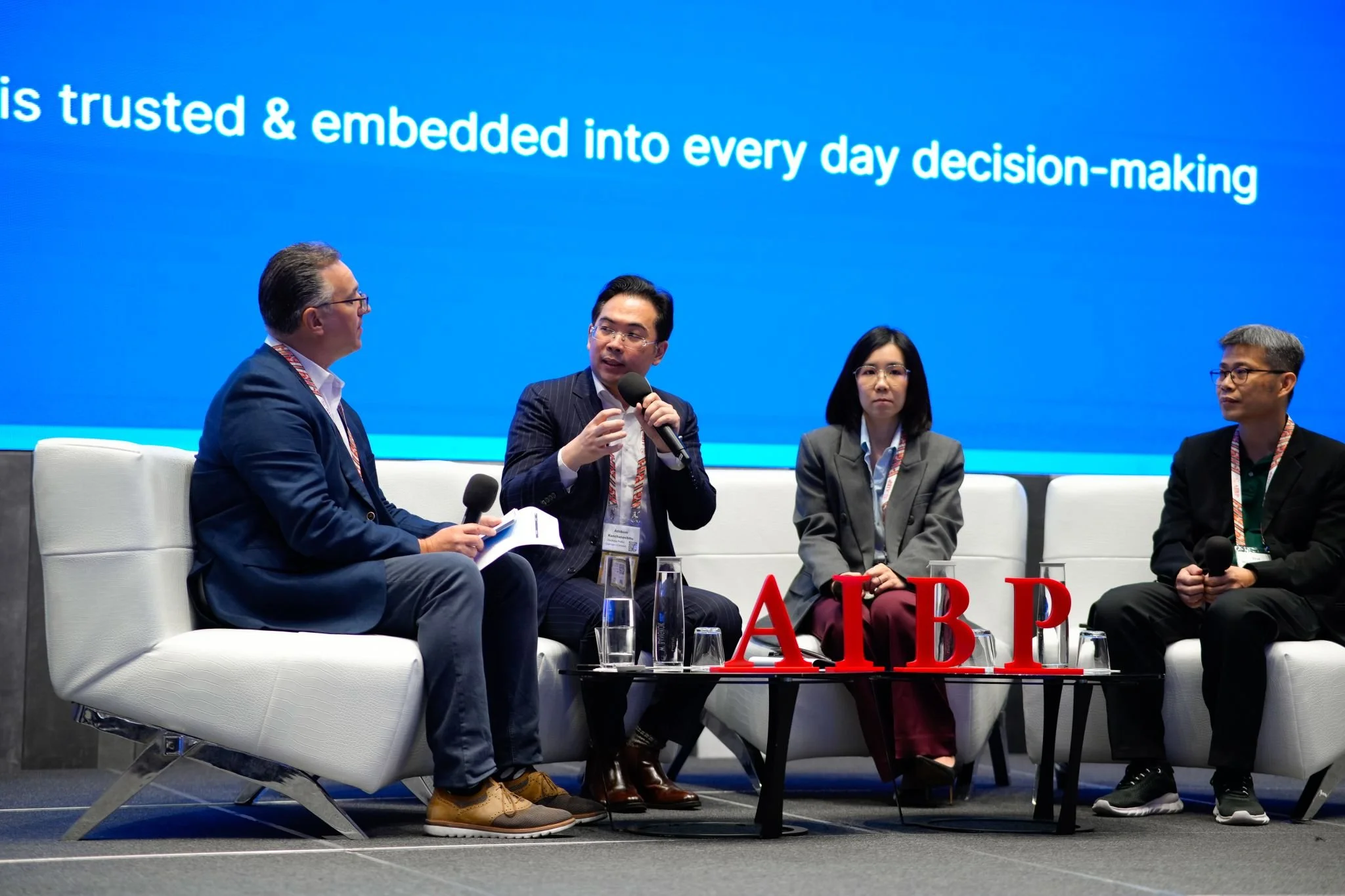
A poll taken before the discussion found data and visibility the biggest blocker in the room, and each speaker's own example backed it up.
Nichkamol "Nina" Songvisit, Head of Strategy and Transformation at Central Department Store Group, shared the challenges specific to retail, and fashion in particular: most of her stock is consignment, owned by the brand rather than the store. The real value sits in reacting well to what's already on the shelf rather than forecasting months ahead.
Where AI excels is in product returns, reading a barcode even when it's damaged or layered under others, cutting hours of processing down to minutes and getting the item back on the floor while it can still sell
What still needs a human is a different barcode problem entirely: the code itself only registers five T-shirts, not their colour or size, a gap closed brand by brand through negotiation rather than by any AI project.
Athikom Kanchanavibhu, Senior Executive Vice President of Digital Technology at Osotspa, is working on what he called paying down “data debt” before AI can scale at all. This includes consolidating six separate ERP systems into one.
Here, AI-driven sales recommendations are treated with caution because supply disruption never shows up in a model trained on the past. That caution shapes how his team builds capability too, through a four-stage path that starts with simply understanding AI, moves to using it safely and responsibly, then to validating its outputs before trusting them, and only later to redesigning processes around agentic AI.
Virat Worapodmongkol, Associate Vice President of Logistics Management at Betagro, is piloting demand forecasting across a five-day shelf life and a supply chain with no room to delay shipment.
Starting small is by design. Testing runs in a single Bangkok area first, with every result checked by experienced staff, a step that earns the model trust over time rather than a formality on the way to a bigger rollout.
Across all three, AI's proven value sat in narrow, repetitive, high-volume work: scanning, sorting, processing. The moment a decision carried real weight, a person stayed in the loop to validate it, and the rollout stayed deliberately small until that person trusted what the model gave back.
The Business Problem Decides the Technology

By the end of the day, the consensus was clear: starting with ‘build vs. buy’ is the wrong framing because technology should serve the strategy, not drive it.
Dr. Siwate Rojanasoonthon, Chief Corporate Officer at Asset World Corporation, runs technology as the fourth question in a longer sequence, behind business outcome, process and people.
His own default leans toward buying a proven solution already tested by other companies' use, saving a build from scratch for whatever nobody else has solved yet. "Always go back to the business problem," he said.
Dr. Akarin Suwannarat, Assistant Chief Executive Officer at Energy Absolute, took the opposite call on the company's new electric bus contract, building its own platform because it already owned the manufacturing plant behind it.
He pointed out the hidden risk of high exit costs: building custom technology creates long-term lock-in. Once you build proprietary systems, changing direction later can be a massive and costly hurdle. Energy Absolute now buys existing software for standard needs, reserving custom builds only for their core operations.
Satsawat Natakarnkitkul, VP of Data and AI Advisory at True Corporation, combines building and buying in a hybrid approach. What he calls the company's competitive "brain" gets built in-house, while commodity capability gets bought elsewhere. The two often blend into a co-creation with a vendor, shipping a feature at 60 to 70% complete to get real feedback early.
Documentation is the harder cost building leaves behind, he added. Tribal knowledge is the know-how a developer carries in their head rather than on paper, the workarounds and reasons behind a system's design that live in one person's memory. When that developer leaves, the knowledge leaves with them, a risk that rarely shows up on the original budget.
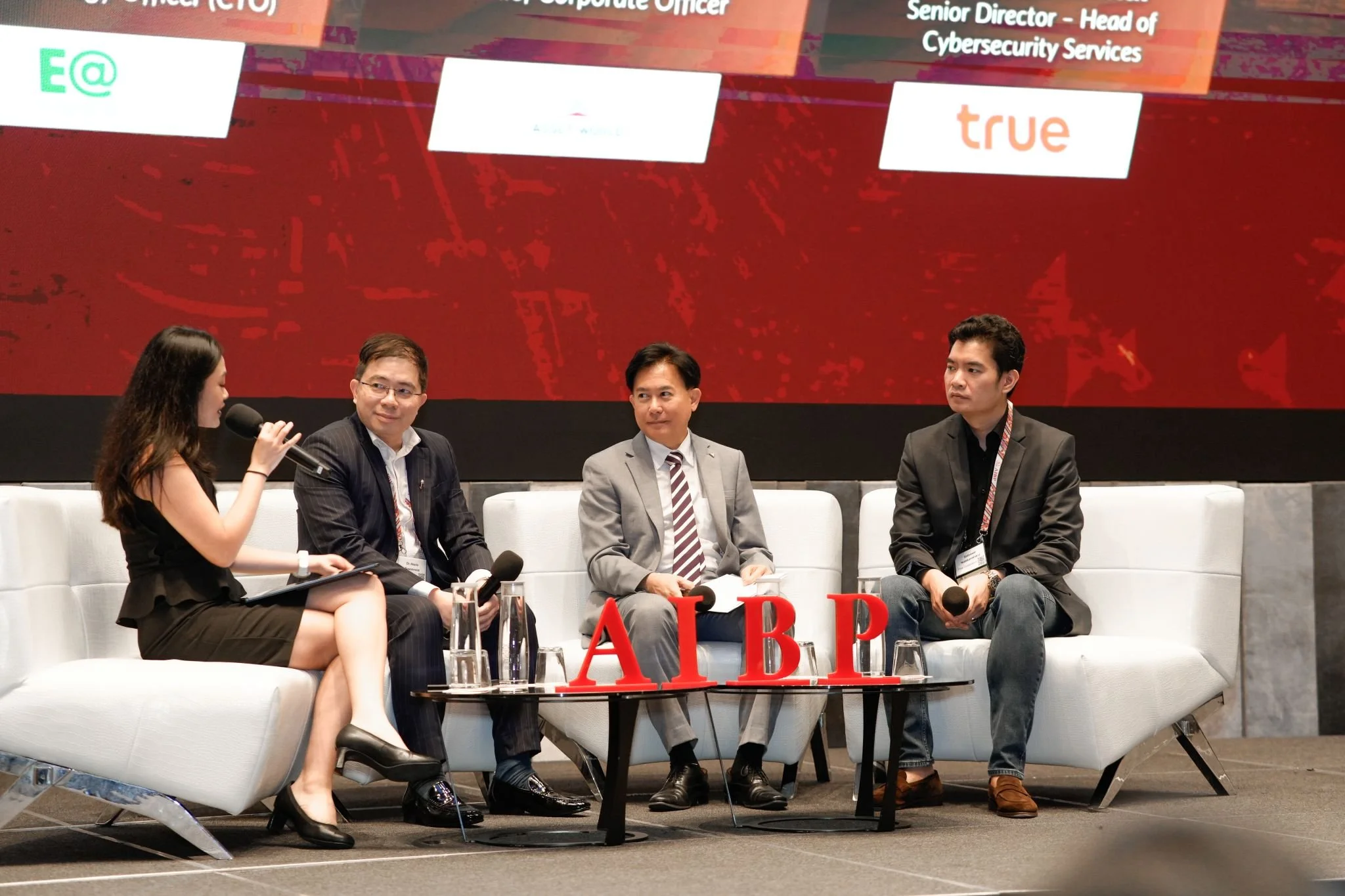
The Conversation Continues Across ASEAN
Thai enterprises have moved past asking whether to adopt AI, into the harder work of proving it's worth something. The real divide between companies is not which AI tools they own, but whether they are able to demonstrate measurable, real-world returns on their investment.
The same questions travel next to the Philippines, with AIBP in Manila on 23 and 24 September, where enterprises will answer their own version of adoption, ownership and the value AI actually needs to prove.

About ASEAN Innovation Business Platform (AIBP)
The ASEAN Innovation Business Platform (AIBP) is an initiative focused on enabling innovation and strategic partnerships across public and private organisations in Southeast Asia. Through curated engagement activities, AIBP supports the growth of regional government agencies, enterprises and solution providers in navigating key themes such as innovation, digital transformation, and sustainability.
Learn more at www.aibp.sg
