
Malaysia Digital Transformation: ESG Sustainability, Cybersecurity in Malaysia and AI Upscaling for a Future-Ready Digital Economy
During the 49th ASEAN Innovation Business Platform Conference & Exhibition Malaysia the momentum was built upon the opening day, deepening the conversation around malaysia digital transformation by focusing on interlinked pillars of long-term value creation: ESG integration, national cyber security readiness and future-proofing the workforce. Through panel discussions featuring leaders from across the Malaysian public and private sectors, it became clear that these domains are no longer siloed initiatives but critical components of a unified digital strategy. Whether embedding sustainability into business models, protecting digital infrastructure, or enabling employees to thrive alongside AI, the message was consistent: long-term transformation must be both technology-enabled and anchored in purpose.
Malaysian Enterprises Reimagining ESG through Digital Transformation
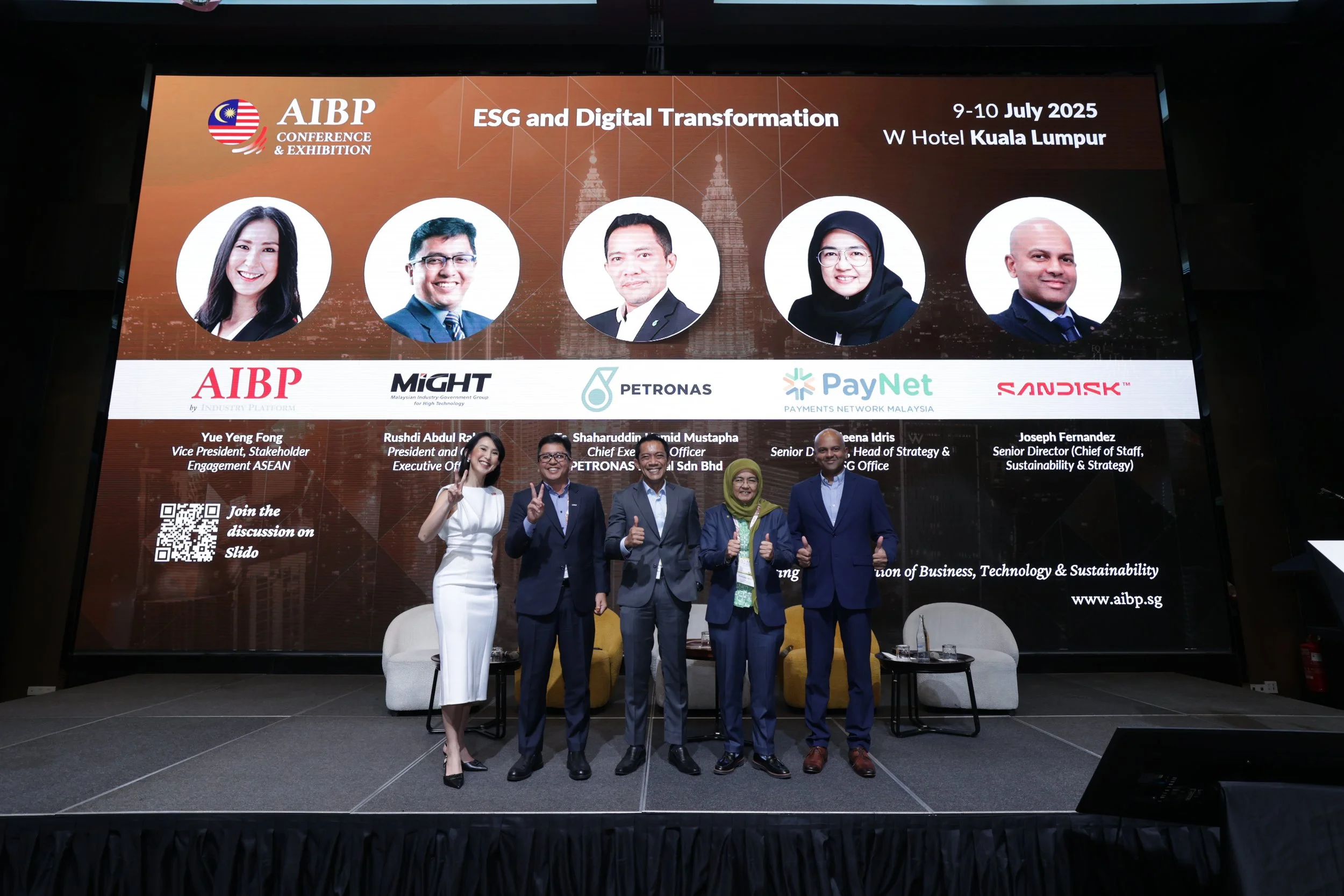
The panel discussion on ESG sustainability and digital transformation revealed how leading Malaysian organizations are transforming sustainability from a compliance requirement to a strategic business value. Organizations like MIGHT, PETRONAS, Paynet, and Sandisk shared that successful ESG integration requires a holistic approach combining technological innovation, data-driven insights, and a commitment to creating tangible impact. Key points touched on by the panelists included using digital technologies like AI and IoT to drive operational efficiency, creating credible Malaysia ESG framework metrics, and viewing ESG sustainability as a potential revenue generator rather than just a cost center.
The overarching narrative emphasized that sustainability is a critical strategic imperative and not one that is on the periphery. By leveraging technology, data analytics, and innovative thinking, digital transformation business can reduce environmental footprints and reimagine how businesses can simultaneously drive digital economy growth, technological advancement, and societal progress. The future of business, as illustrated by these Malaysian leaders, lies in an integrated approach where environmental stewardship, digital transformation, and organizational strategy are deeply interconnected.
Securing the Foundation: AI-Powered Resilience for Critical Infrastructure
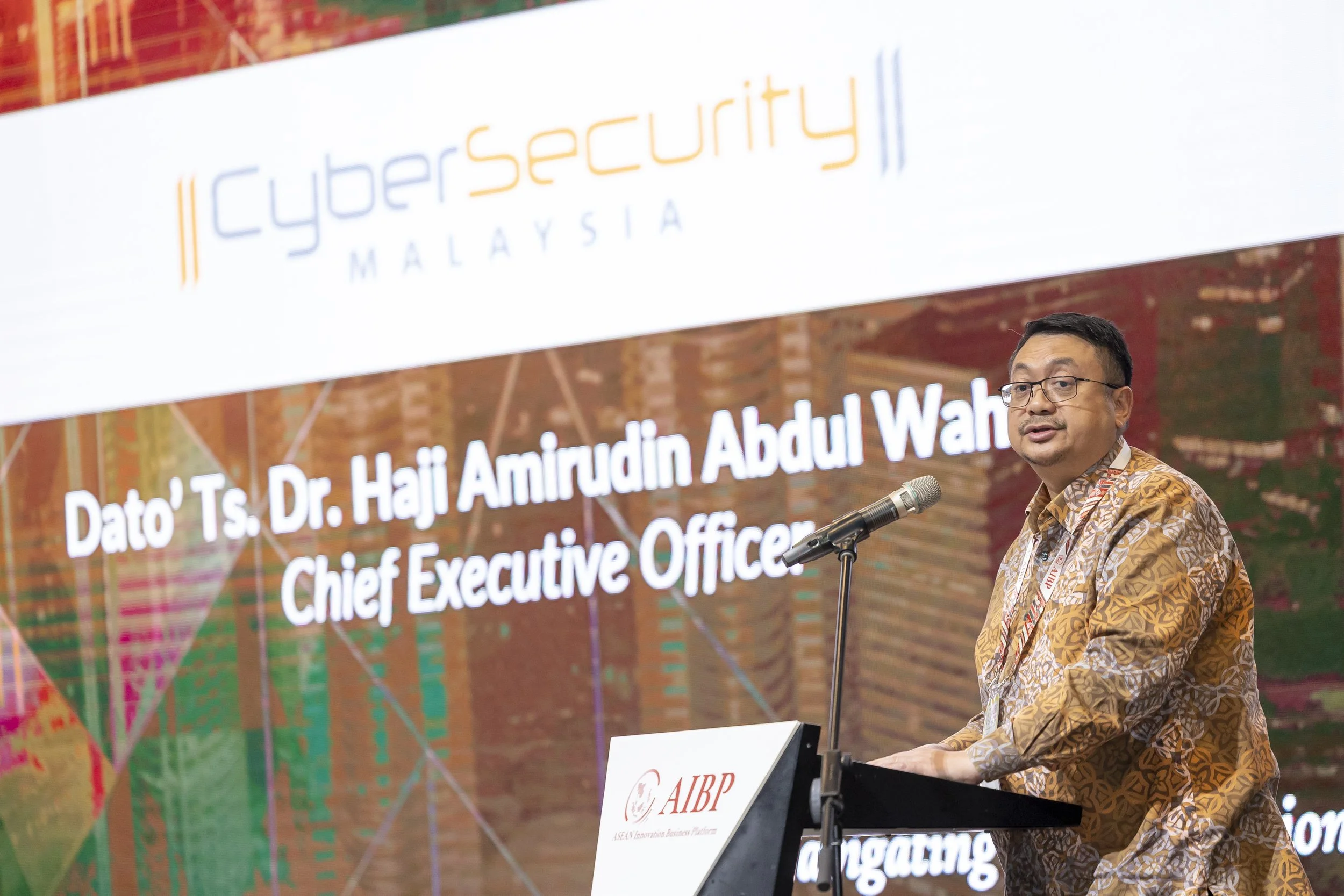
As digital systems increasingly support Southeast Asia's energy, finance, and healthcare infrastructure, cybersecurity in Malaysia is no longer just a technical concern, it is foundational to national and corporate resilience. Dato’ Ts. Dr. Haji Amirudin Abdul Wahab, CEO of CyberSecurity Malaysia, stressed the urgency of safeguarding infrastructure against evolving cyber-physical threats. Drawing from regional insights by the International Telecommunication Union and UN ESCAP, he underscored challenges such as outdated operational technology, siloed governance, and limited visibility across systems.
The panel highlighted the evolving cybersecurity challenges across critical sectors like energy, finance, and utilities. Key insights included the growing complexity of cyber threats, particularly in operational technology (OT) systems with legacy infrastructure, and the potential of AI to enhance threat detection and security operations. "The panelists from PETRONAS, PNB, and TNB emphasized the importance of the Malaysia cyber law which is the Cybersecurity act, sets baseline standards, and stressed the need for a holistic Malaysia cybersecurity strategy that includes top-down organizational support, continuous threat hunting, and talent development. They discussed the blurring lines between IT and OT systems, the risks of dormant malware, and the critical role of AI in simplifying security analyst tasks and detecting sophisticated attacks that traditional tools might miss.
Panellists reinforced that frameworks such as zero trust architecture and exposure management must become standard practice, particularly as ASEAN nations scale their Industry 4.0 and smart grid initiatives
Building a Future-Ready Workforce Through Continuous Learning and Skills Intelligence

AI may transform operations, but people remain central to its success. Leaders from AirAsia Move, Johor Corporation, and POS Malaysia highlighted a shift from one-off training to continuous, scalable AI upscaling systems, such as enterprise platforms, executive coaching, and role-based development, to build adaptable, resilient teams.
There was strong consensus that AI should augment rather than replace human decision-making, and that its effectiveness depends on being implemented alongside inclusive leadership and human-centred design. Digital competence is increasingly treated as a strategic metric, embedded into performance evaluations, career progression, and succession planning.
To prepare for an AI-enabled future, organisations must foster a culture of learning agility, ensure AI literacy is accessible across all ai job malaysia levels of the workforce, and prioritise the development of soft skills like empathy, critical thinking, and cultural awareness. Addressing the digital divide in education was also seen as essential. The panel concluded that human skills remain irreplaceable, and called on educators to equip future talent not just with technical knowledge, but with the life skills needed to navigate a rapidly evolving workplace.
The 49th ASEAN Innovation Business Platform Conference & Exhibition Malaysia concluded with a shared understanding that Malaysia digital transformation must be sustainable, secure and people-first. As digital transformation Malaysia navigates an increasingly complex operating environment, the ability to unify ESG ambition, cybersecurity strength and human adaptability will define long-term digital economy Malaysia competitiveness.
For stakeholders across Southeast Asia, the call to action is to build integrated strategies that link digital tools with sustainable outcomes and human-centred design. By investing in secure infrastructure, resilient teams, and responsible growth, Malaysia can set the benchmark for how emerging economies lead in a digitally intelligent and socially conscious era.
