
Digital Transformation Indonesia: Sustainability, Trust, and Talent
Explore how digital transformation in Indonesia is reshaping cybersecurity in Indonesia, ESG Indonesia, and Indonesia AI: these are the key insights from the past AIBP Conference & Exhibition Indonesia. As digital transformation accelerates, Indonesia faces the dual challenge of maintaining competitiveness while addressing environmental, social, and workforce priorities. The discussions highlighted the progress already made, the hurdles that remain, and the opportunities for collaboration between the public and private sectors to ensure inclusive and long-term growth in the digital economy of Indonesia.
Catalysing Indonesia Energy Transition through Digital Innovation
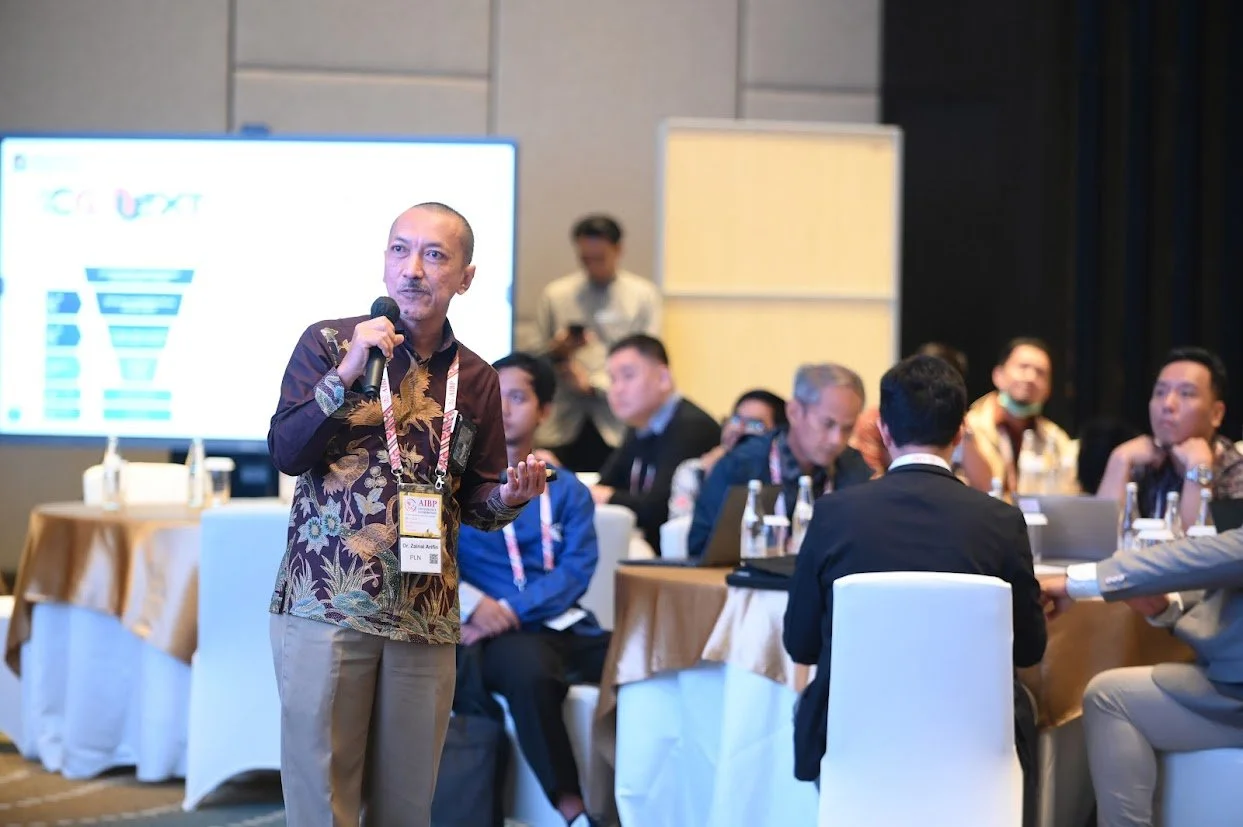
Dr Zainal Arifin, EVP of Consultancy Strategy at PLN
Indonesia's energy transition is rapidly transforming the sector as decarbonisation, digitalisation, and decentralisation take hold. Dr Zainal Arifin, EVP of Consultancy Strategy at PLN, described how smart grid PLN infrastructure, AI-driven renewable energy management, and over 2,000 EV charging stations are enabling customers to become both producers and consumers of energy. Start-ups such as Xurya and Volta are also expanding access to clean energy through financing and affordable electric mobility, supported by PLN’s incubation programmes.
In the panel discussion, Imelda Harsono, Deputy Chief Executive Officer of Samator Indo Gas, and Elim Sritaba, Chief Sustainability Officer of APP Group, shared how their organisations are embedding ESG sustainability in operations. Samator integrates carbon tracking into customer logistics, while APP uses AI and satellite monitoring across 2.6 million hectares of forest and invests in 440 villages through community development projects. Both emphasised that meaningful progress requires authentic impact, supported by trustworthy and standardised data platforms aligned with Indonesia's sustainability goals.

Building Trust: Tackling Cybersecurity in Indonesia in the Digital Era
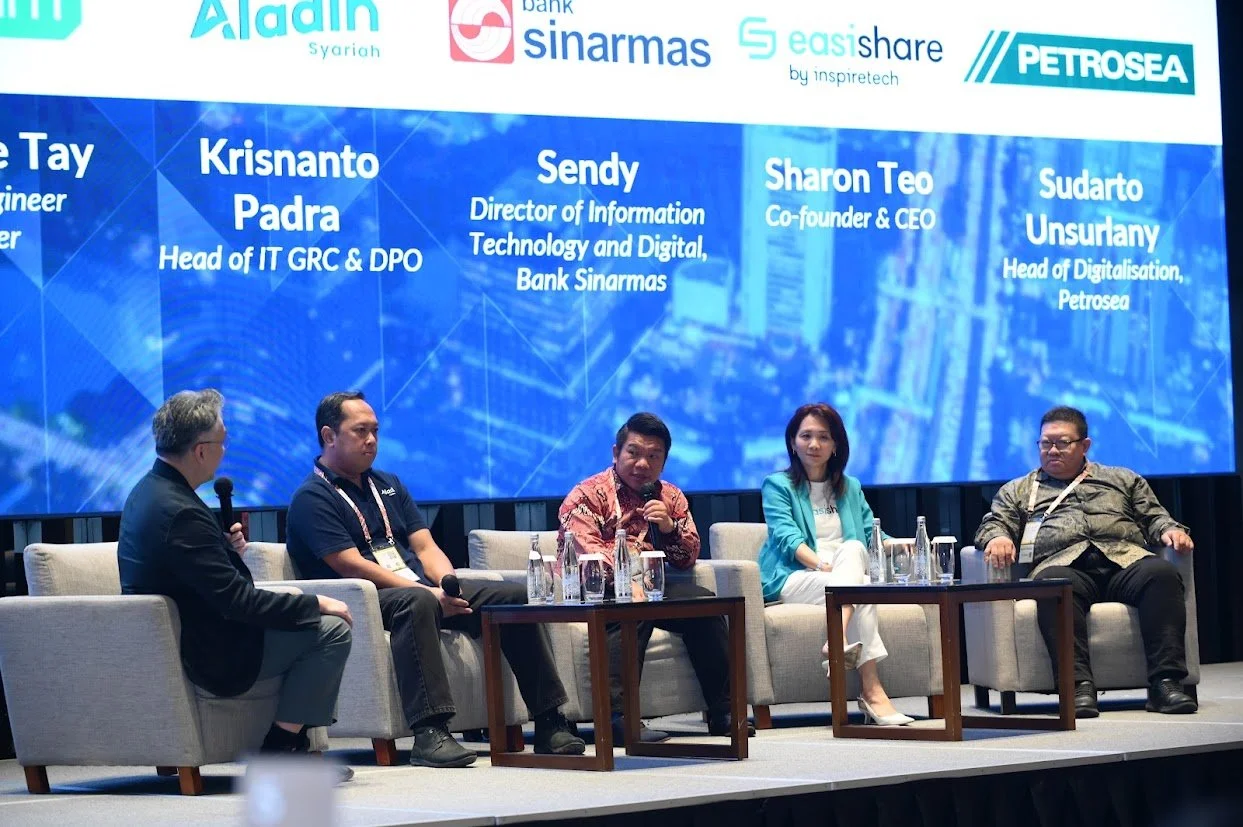
As digital adoption accelerates, cybersecurity in Indonesia has become a national priority.
Mensuseno, Head of Information Security at the Ministry of Home Affairs, introduced secure digital ID initiatives as a foundation for trust in public services.
The panel that followed highlighted cybersecurity Indonesia's widening threat landscape. Sendy, Director of Information Technology and Digital at Bank Sinarmas, warned of AI-powered phishing attacks. Krisnanto Padra, Head of IT GRC and DPO at Bank Aladin Syariah, called for automated controls and recovery strategies to balance compliance with innovation. Sudarto Unsurlany, Head of Digitalisation at Petrosea, stressed the need to secure industrial IoT systems, noting the risks to operational continuity. Collectively, the panellists agreed that adopting zero trust security principles, extending support to SMEs, and strengthening collaboration between public and private sectors are essential steps towards building national Indonesia cyber resilience.
These conversations built on AIBP’s earlier perspective in “UNC3886 and Beyond: Why Cyber Security is Core to ASEAN’s Digital Future,” which highlighted how advanced threats require ASEAN enterprises to treat cybersecurity not as a checkbox, but as a foundation for trust and long-term competitiveness.
Preparing Indonesia's Workforce for an Indonesia AI-Driven Future
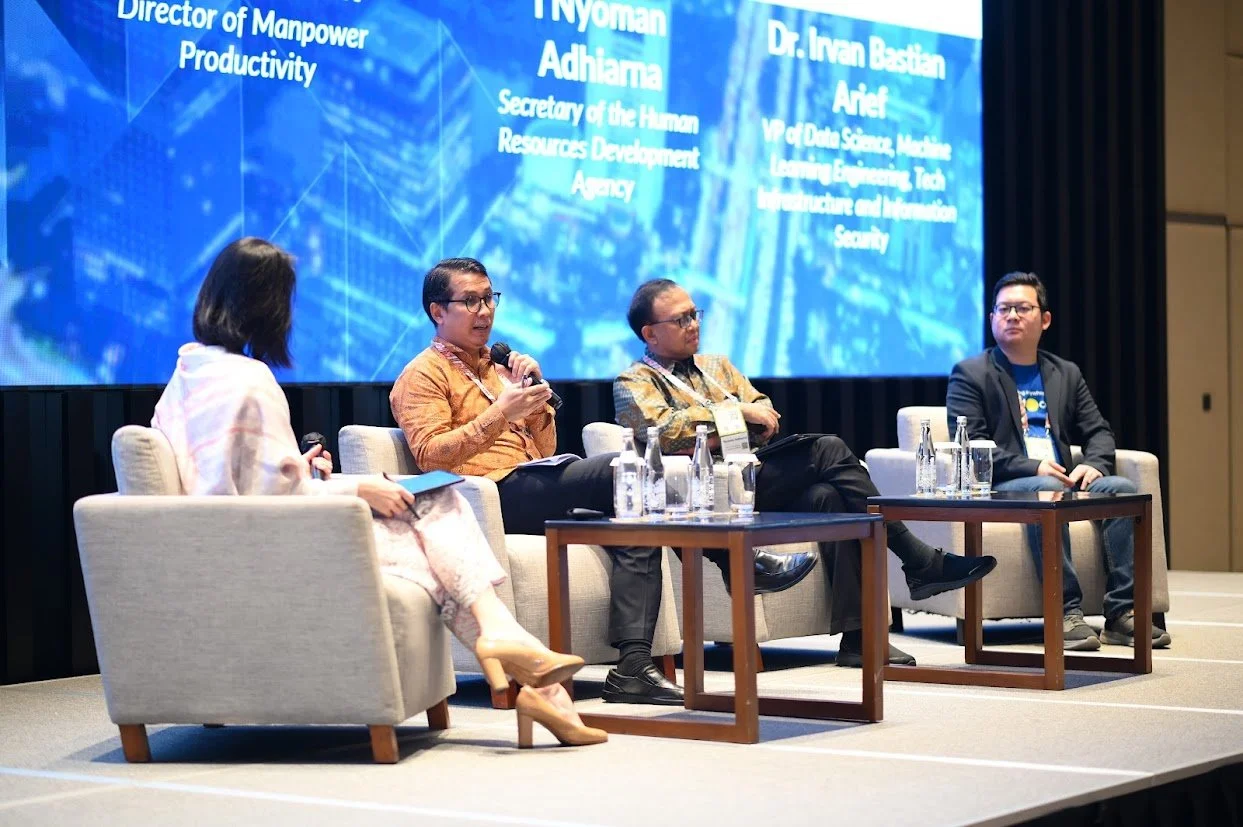
People remain at the heart of transformation. Dr Irvan Bastian Arief, VP of Data Science, Machine Learning Engineering, Tech Infrastructure and Information Security at Tiket.com, noted that AI for business adoption succeeds only when supported by skilled talent.
I Nyoman Adhiarna, Secretary of the Agency for Human Resource Development for Communications and Digital Affairs at KOMDIGI, showcased AI for work and digital training initiatives, including an AI factory programme linking students with real-world government use cases. Chairul Saleh, Director of Manpower Productivity at the Coordinating Ministry for Economic Affairs, emphasised the productivity potential across sectors, while cautioning that the digital talent shortage remains a critical challenge.
The panel concluded that future-ready skills must include critical thinking, collaboration, and lifelong learning, with responsible AI and data protection as guiding principles. Bottom-up, problem-driven approaches were identified as key to ensuring Indonesia becomes a creator of Indonesia AI innovation rather than just a consumer.
From Ambition to Accountability: Charting Digital Transformation Indonesia
These discussions delivered a clear message: Indonesia’s digital transformation must be anchored in sustainability, trust, and talent. By aligning technology with ESG Indonesia impact, embedding cybersecurity into every layer of digital infrastructure, and investing in people,Indonesia has the scale and ambition to lead Southeast Asia in responsible digital transformation strategy. These conversations underscored that transformation is not defined by technology adoption alone, but by the ability to create measurable outcomes that are resilient, inclusive, and sustainable.
Looking ahead, the call to action is for enterprises, government, and industry leaders to collaborate more closely, strengthen data-driven capabilities, and nurture a future-ready workforce. With its market scale, expanding innovation ecosystem, and strong talent base, Indonesia is uniquely positioned to shape the digital economy. The past AIBP Conference and Exhibition Indonesia demonstrated that the next chapter of Indonesia’s digital journey will be determined by how well ambition is matched with accountability, speed with sustainability, and innovation with meaningful impact, setting a course towards long-term prosperity for both business and society.
