
Enterprise Innovation in Thailand 2026: Why Readiness Matters More Than Intent
TLDR
AI leads Thai investment plans. Nearly seven in ten enterprises rank it their top technology priority for the next two to four years in AIBP’s ASEAN Enterprise Innovation Market Overview, shifting the focus to execution.
People, not technology, set the pace. The effort teams underestimated most was change management and internal capability, across every sector in the room.
The unglamorous plumbing comes first. The strongest work untangled fragmented infrastructure and manual processes before any model ran on top, including one bank collapsing a spaghetti architecture of 35,000 interfaces.
When global tools do not fit, firms build their own. Where language, regulation or practice differed, finalists built rather than bought, notably a hospital that trained a model on Thai medical text when none existed.
Trust is being engineered early. Teams set accuracy targets, governed their data and kept people in the loop before scaling, treating governance as a design choice.
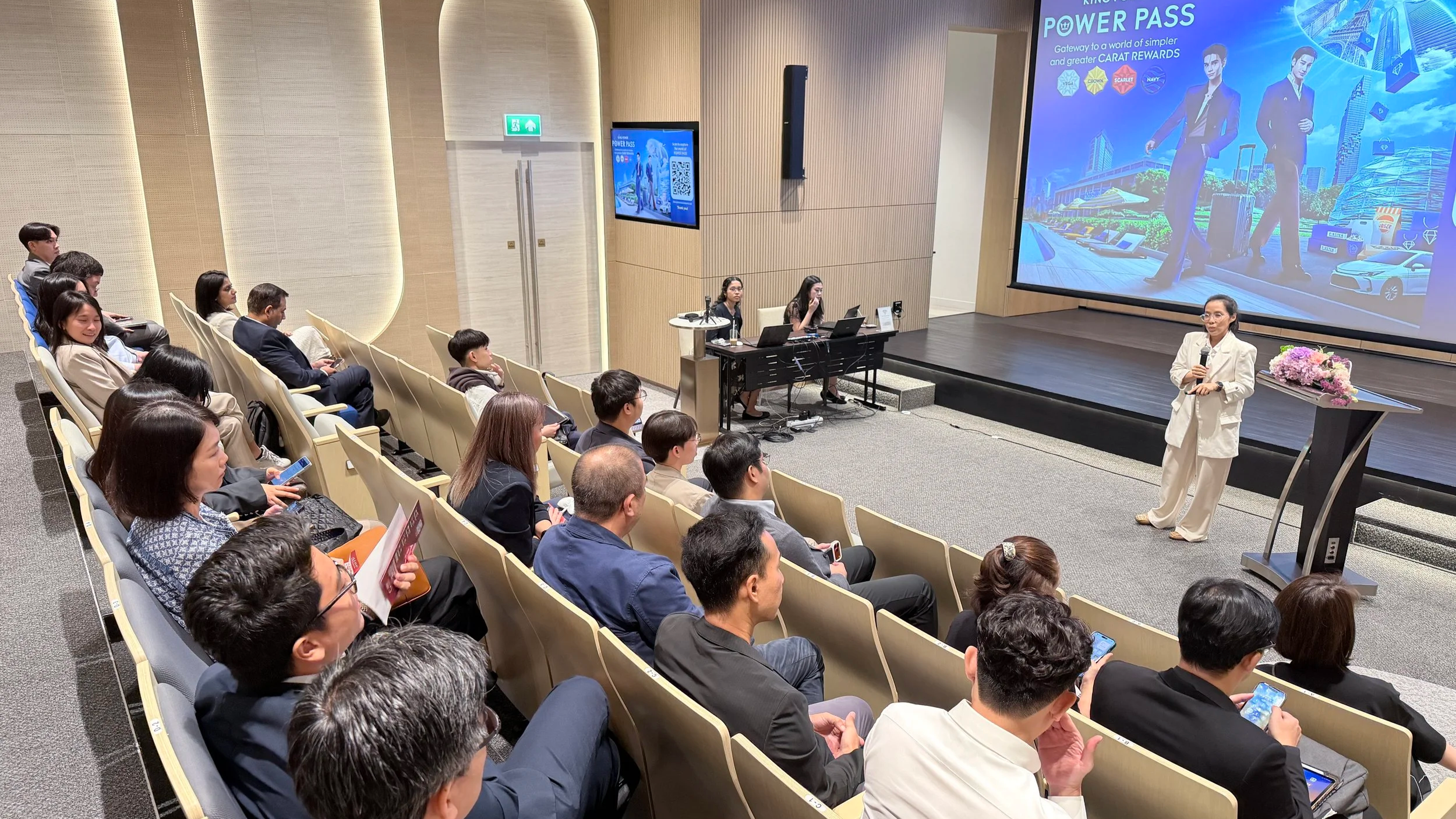
Thai enterprises have made up their minds about AI. It tops the list of technologies they plan to invest in over the next two to four years, with nearly seven in ten ranking it their top priority, according to AIBP's 2025/2026 ASEAN Enterprise Innovation Market Overview.
The harder questions filled the room at this year's Finalist Showcase in Bangkok. Data quality, a shortage of skilled people and organisational complexity are the groundwork that turns intent into results.
Across two categories – Data and AI and Open – AIBP convened 15 finalists from 14 organisations at the 2026 AIBP Enterprise Innovation Awards Thailand on 21 July, across banking, retail, real estate, manufacturing, energy, healthcare and travel retail.
What tied the day together was less the technology and more the conversation between the presenters and the floor, where the same tensions surfaced across sectors.
The hardest part of AI is organisational
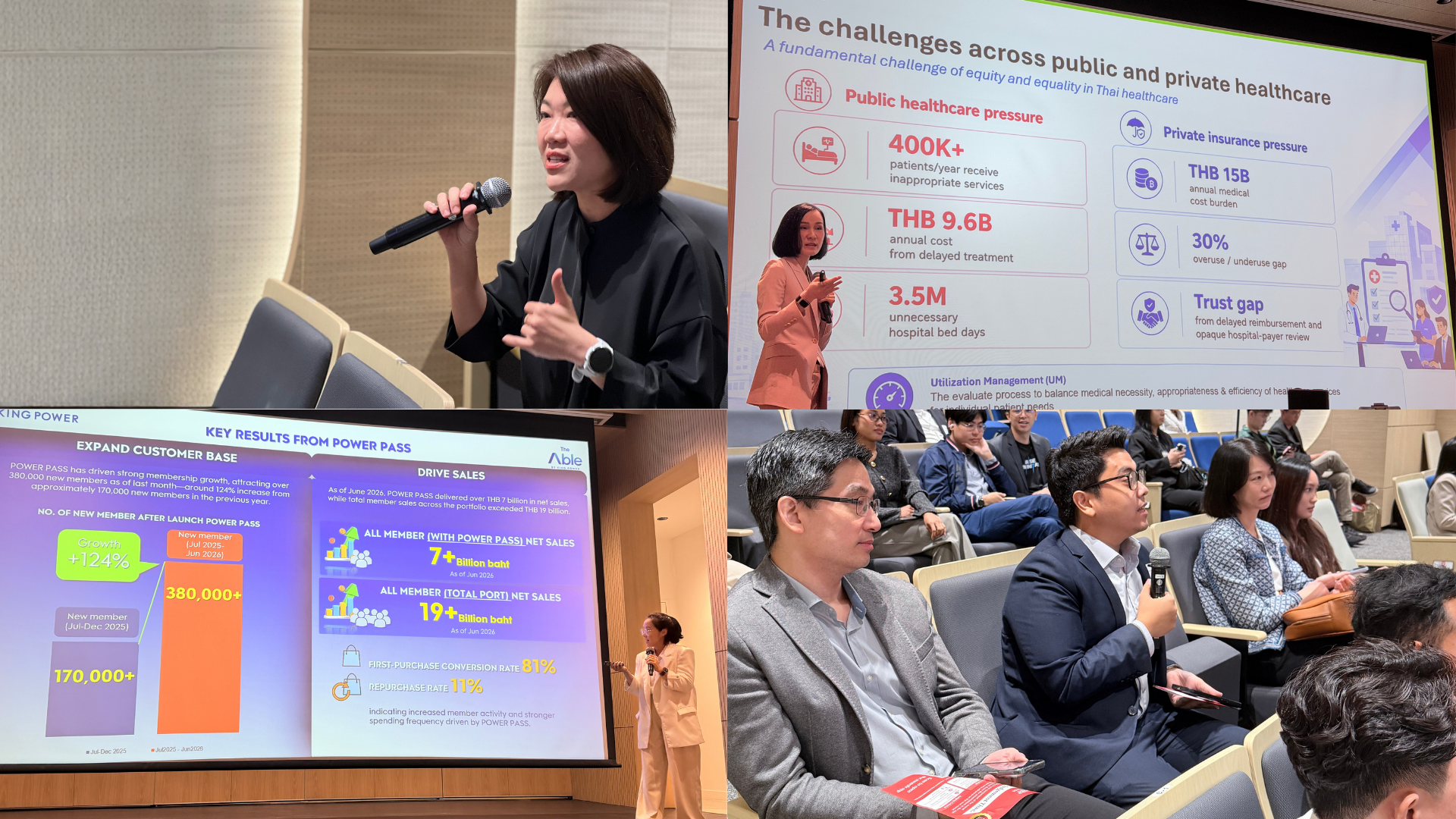
Asked what had been hardest, teams pointed to people, not technology.
The models mostly worked. The hard part was getting staff to change how they work, from paper ledgers to habits built over decades on the factory floor. The older the organisation, the more of that work there was.
For a market this bullish on AI, that is the more revealing signal.
Readiness in Thai enterprises is being decided by culture and capability far more than by model choice, and it is the part no vendor can supply.
Foundations before intelligence
For most teams, the real work sat beneath the AI.
One bank likened its back end to the cables strung over a Bangkok street and set about untangling a spaghetti architecture of 35,000 interfaces. This took folding 111 near duplicate customer lookup services into three, which cut impact analysis from weeks to seconds.
Others spent their effort earlier still, consolidating scattered data into one trusted source and capturing knowledge that lived only in retiring heads.
Clean the ‘plumbing’ and the data first, then let the model run on something solid. That groundwork is what separated the teams already seeing results. This order has held across the region, and Thailand is no exception.
AI had to earn its place
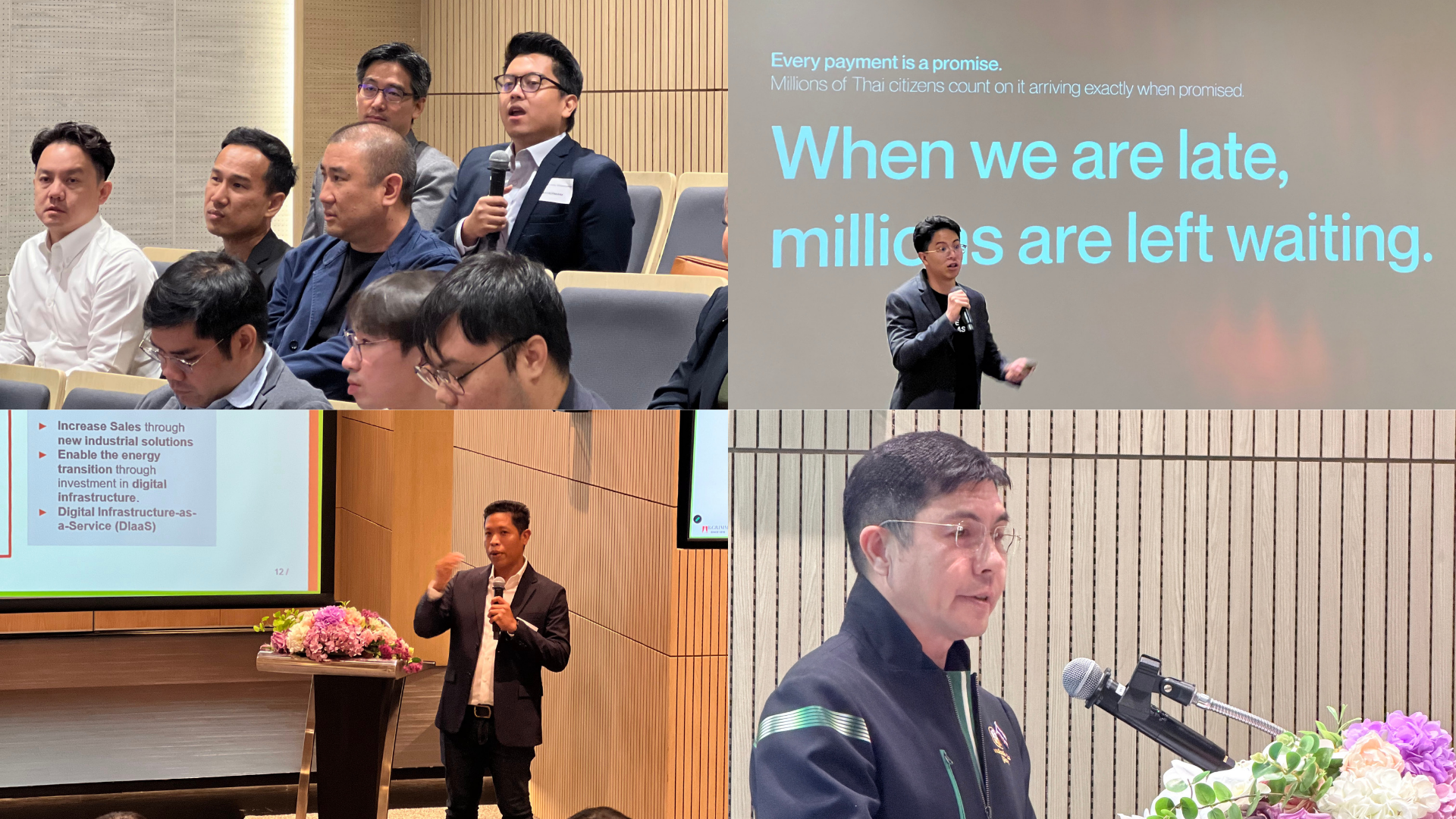
Where AI did the work, teams aimed it at a single costly problem and measured the return.
A power producer put anomaly detection on its gas turbines and caught a failing part seven months before it would have wrecked an engine, avoiding a replacement worth about 15 million US dollars and counting six such saves over two years.
A travel retailer replaced the hand matching of shipping documents in its procurement with an automated flow, cutting processing from as long as 13 hours to about a minute per shipment.
The teams led with the money the system saved. That is how AI earned its place, by proving it paid off, and anything that could not stayed a demo.
Building over buying
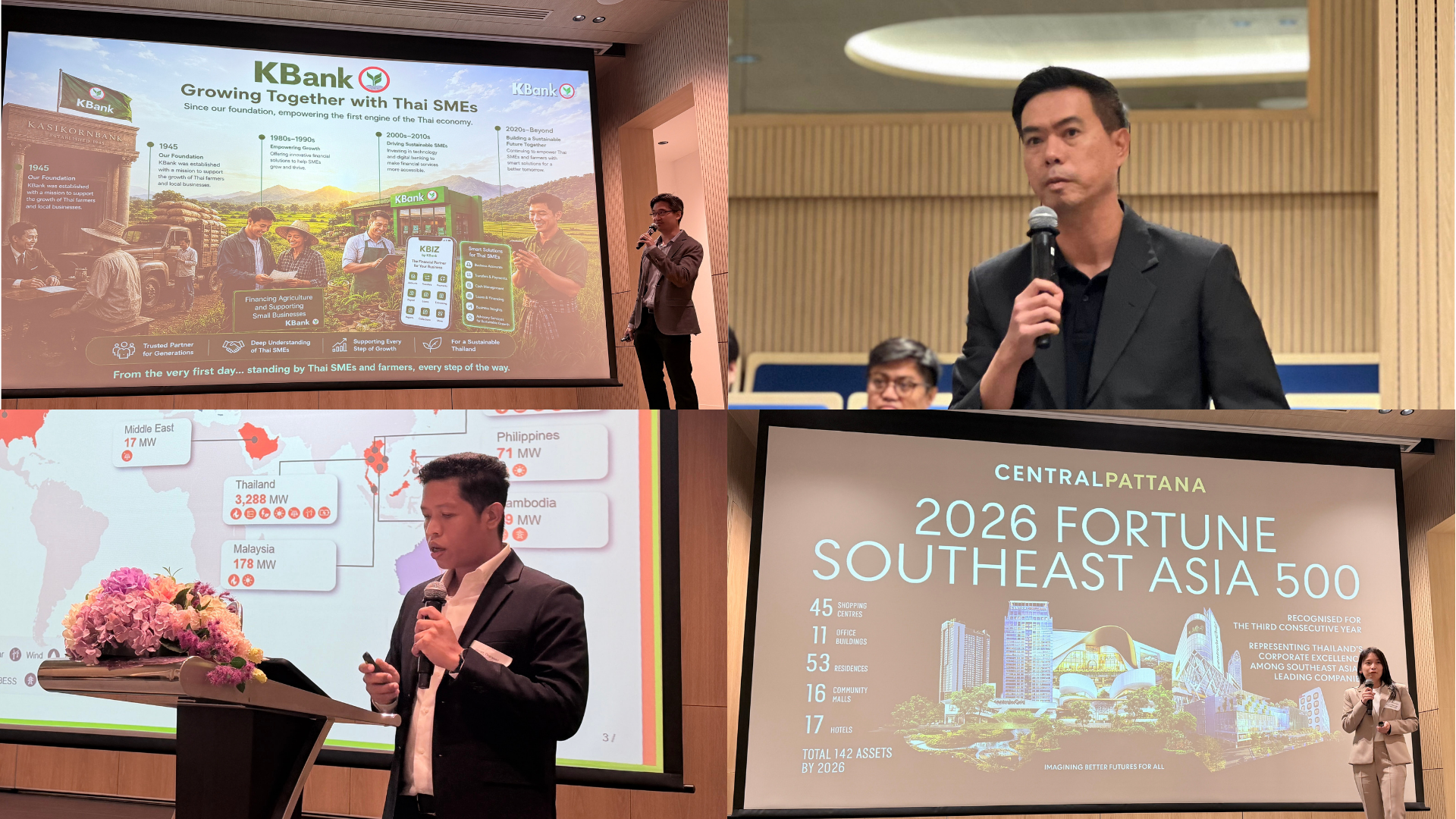
Local fit is why the finalists built their own tools rather than buying them.
A loyalty team and a grocery analytics team both found their requirements and business language too specific for a standard product.
A hospital group was blunter, explaining that tools from abroad assumed different clinical norms and that no model existed for Thai medical text. The hospital has trained its own model and now reports review accuracy of 98 percent against roughly 78 percent for manual review.
For many Thai enterprises, available products do not yet fit the local language, regulation or way of working, and that gap is shaping how the country builds its AI capability.
How trust became a design decision
Trust was something these teams engineered, then proved. One grocery team, for instance, checked its assistant against a fixed set of 40 reference questions, so its answers always matched the official dashboards. A retailer went further and held its shopping assistant to zero hallucinations before letting the public use it. Others drew harder lines around access. A mall operator made sure each tenant saw only its own data, and a hospital kept a nurse and a physician in the loop so its AI only ever offered a second opinion.
The common thread is that none of this was left to chance or claimed after the fact. Governance had moved to the front of the build, a sign that Thai enterprises are treating AI as infrastructure to be trusted at scale.
What comes after the pilots
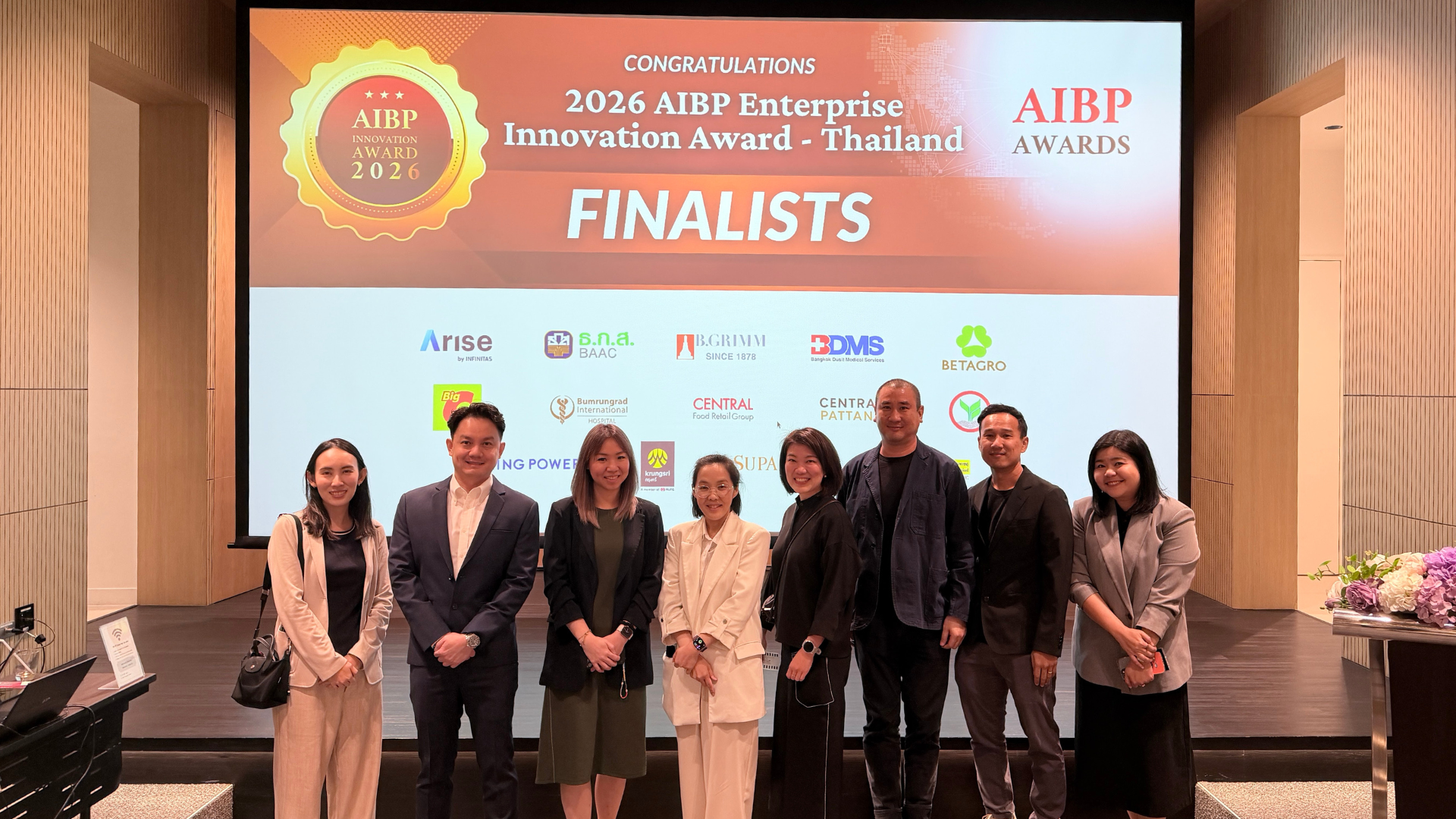
Across banking, manufacturing, healthcare and retail, the hard part was the same for everyone. It sat in the data, the systems and the people underneath, rather than the technology. That shared ground is the useful discovery, because a common problem is one no single company has to solve alone.
It is also what the AIBP Conference and Exhibition Thailand is built to open up. On 2-3 September in Bangkok, the same exchange continues on a larger stage with senior enterprise and government leaders from across the region. The winners of the 2026 AIBP Enterprise Innovation Awards Thailand will be named there.
If your organisation is working through the same questions, join the room. Register now.