
From AI Ready to ASEAN-Wide: What Digital Transformation in Malaysia Looks Like in 2026
AI adoption in Malaysia across enterprises has nearly doubled since 2020, according to AIBP's 2025/2026 AI Readiness Survey. As that intent climbs, the same AI adoption challenges climb with it: too few skilled people, organisations that are hard to change, and old systems. They are the work that scaling AI demands, not a wall in front of it.
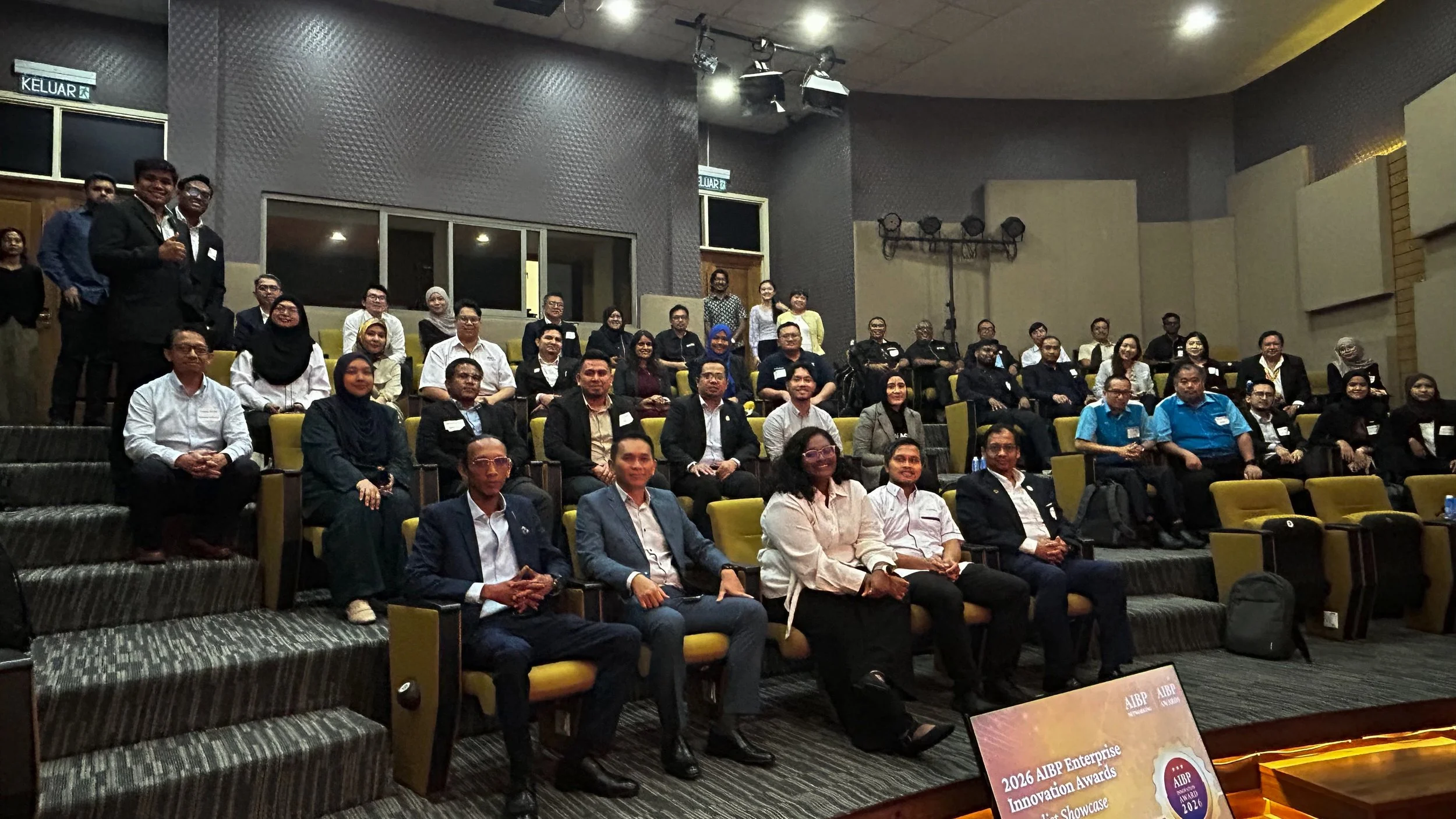
On 10 June 2026, 22 projects from banking, energy, aviation, telco, logistics, agriculture and public services presented at the 2026 AIBP Enterprise Innovation Awards at the MIGHT Partnership Hub in Cyberjaya. Although they sat at very different stages of maturity, what the day revealed was that the teams moving fastest were not the ones with the cleverest technology, but the ones who saw early that ai implementation is rarely the hard part.
Other themes that emerged from the day: scaling AI with intent, making the return on investment (ROI) case, and managing the risks that come with it, are the same conversations that will take centre stage at the AIBP Conference and Exhibition Malaysia on 8 and 9 July 2026.
AI Implementation Is the Easy Part — Change Management AI Is Not
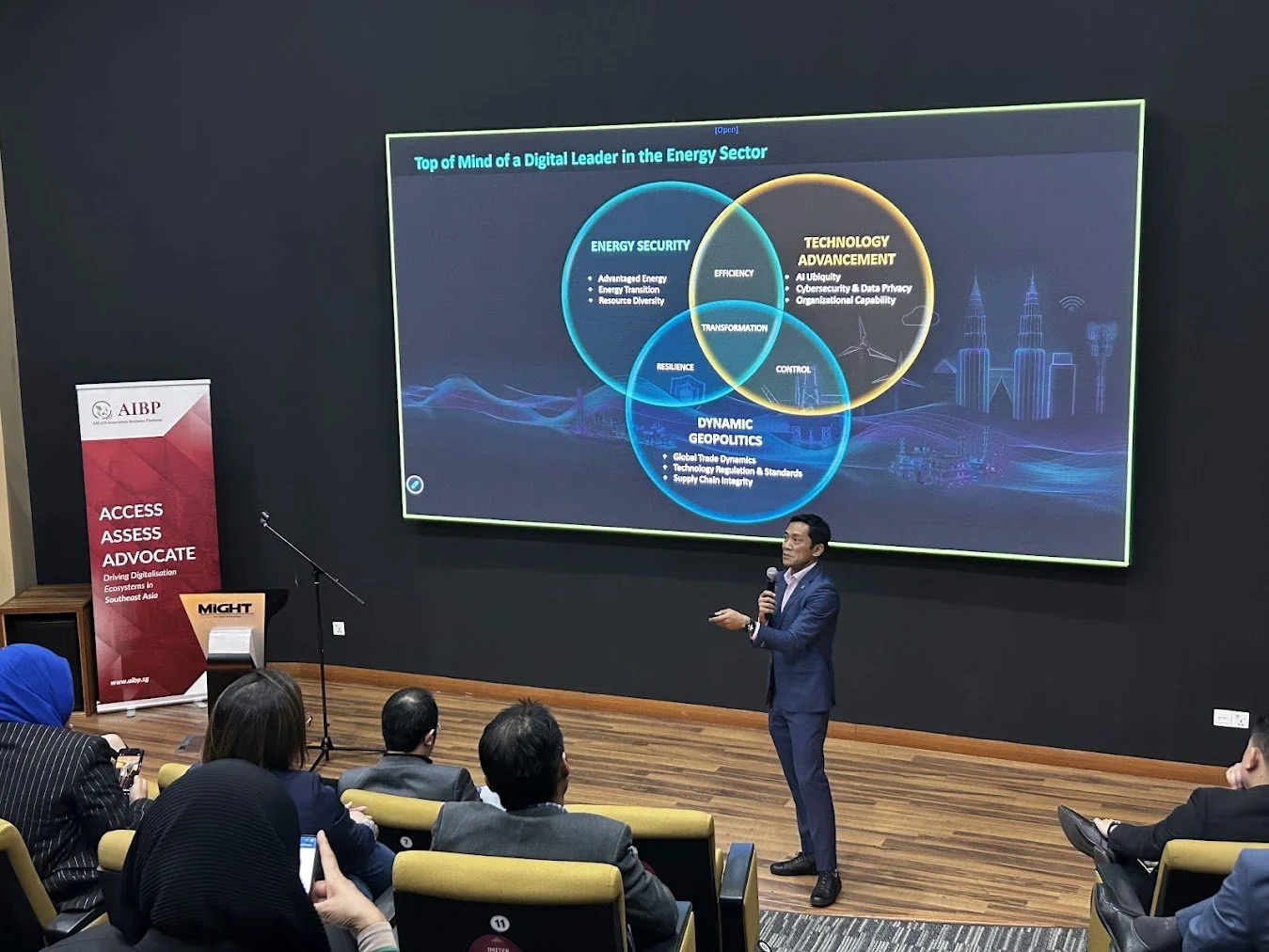
The hardest part of any transformation is getting people to change how they work.
A banking group reflected that building its enterprise platform took far less out of the team than the change management, retraining, and consistent usage required to get thousands of frontline staff to actually use it. The teams that had rolled something out widely all did the same thing. They picked a daily annoyance people already had, fixed it, showed the value quickly, and let word spread. One telco team gave its AI tool a name, a personality, and its own staff email address, so colleagues treated it like a workmate instead of a system. It sounds like a gimmick. It worked because people use things they feel they belong to, more than things that are simply clever. Any leader who has launched something that worked perfectly and then watched nobody touch it knows this already.
You Can't Do AI Until Your Data Readiness Is Sorted
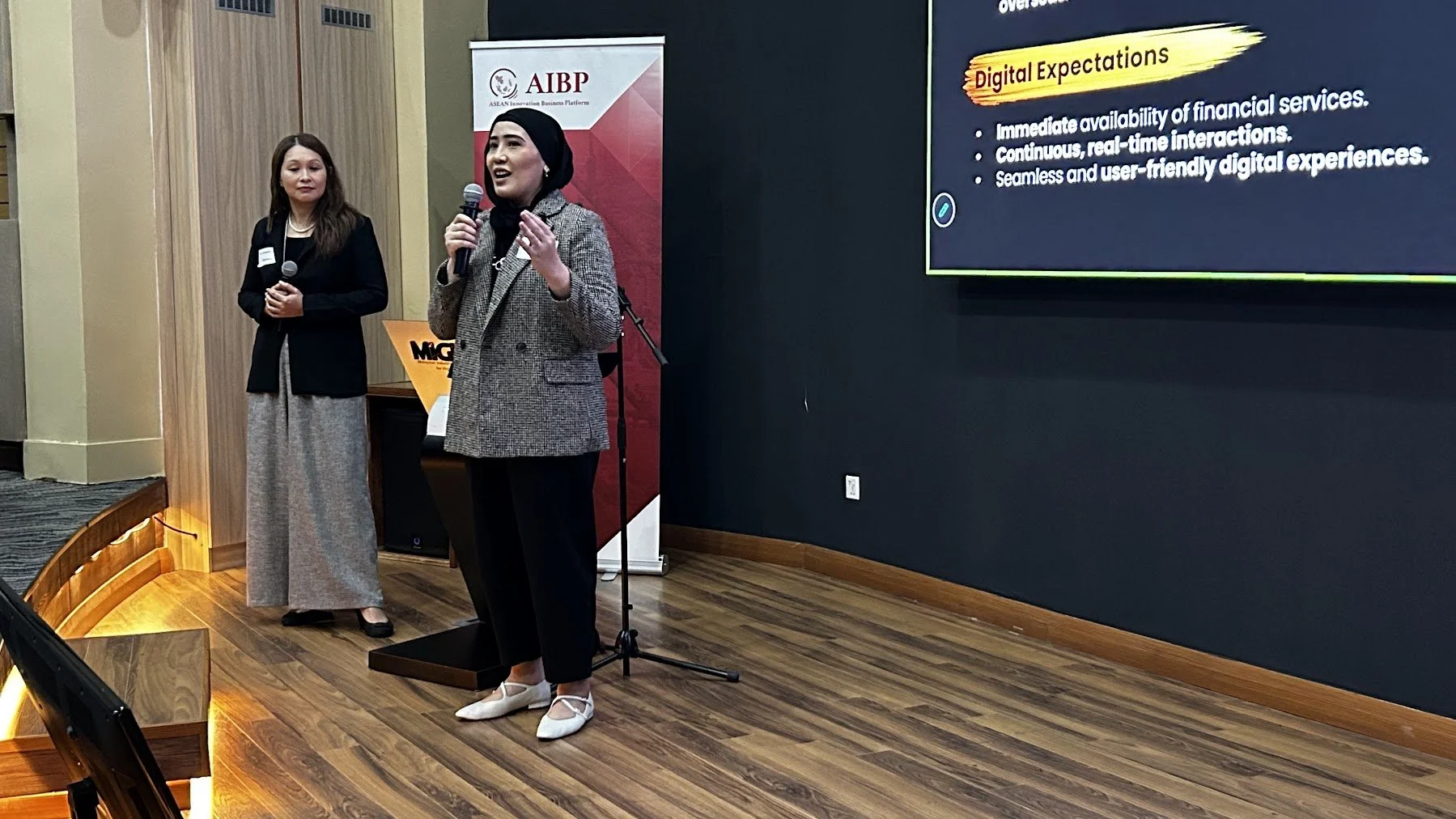
Underneath the people problem sat an older one. More than half the teams were still working on data readiness — cleaning it, connecting it, making it usable — before any AI could run on top. Cloud moves, data lakes, and single platforms were the real work. The AI came after.
One engineering team used computer vision to pull nearly 200,000 tags out of 29,000 old drawings. They were clear this wasn't tidying up. It was the thing that had to happen before anything else, like digital twins or predictive maintenance, was even possible. As they put it, you can't be AI Ready ASEAN-competitive until your data readiness is in place.
Keep a Human in the Loop: The AI Implementation Strategy That Works
The organisations navigating autonomy most confidently had built human oversight into their AI implementation strategy by design rather than as a temporary safeguard. A team focused on building agentic AI for detecting illegal electricity consumption was clear that the AI produces a prioritised list, and human investigators validate every entry before action is taken.
An energy company's safety platform described a deliberate progression from AI informing decisions, toward a future state where AI acts and humans govern, with human authority explicit at every stage.
Build the Rules Early: Digital Transformation Strategy for Responsible AI
Building the rules in early is what let their digital transformation strategy scale without the whole thing breaking later. One institution described assessing every data use case against four criteria: purposeful, unsurprising to the customer, respectful, and explainable. When asked whether they would follow peers in using external data to sharpen customer profiling, their standard depended on what was adequate and ethical to them. Another banking group building an enterprise knowledge assistant also made governance the first part of the build, not the last.
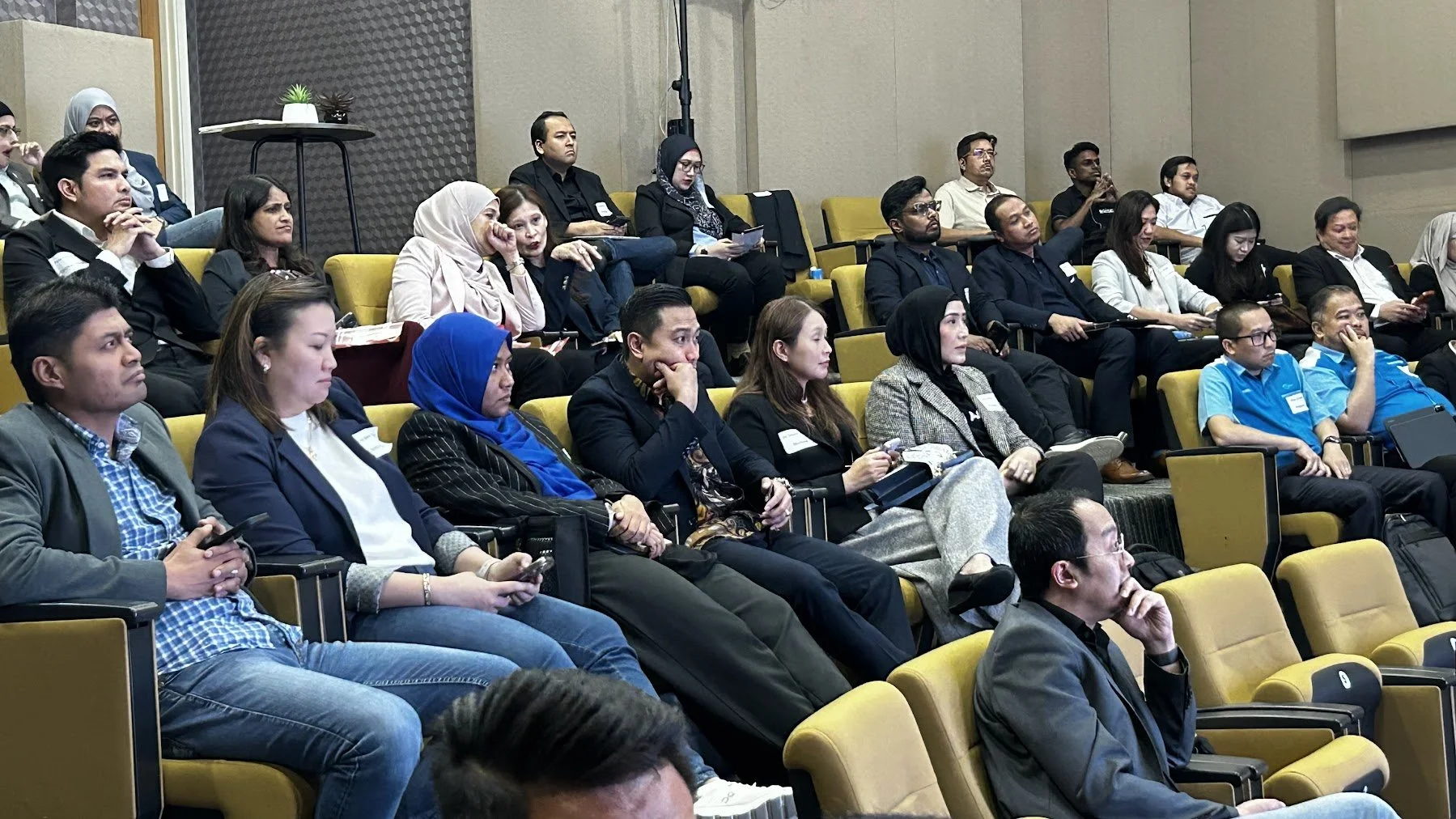
From outside it looks like red tape. It's actually what lets an organisation grow without it coming apart later.
Innovation Awards and the Future of Digital Transformation in Malaysia
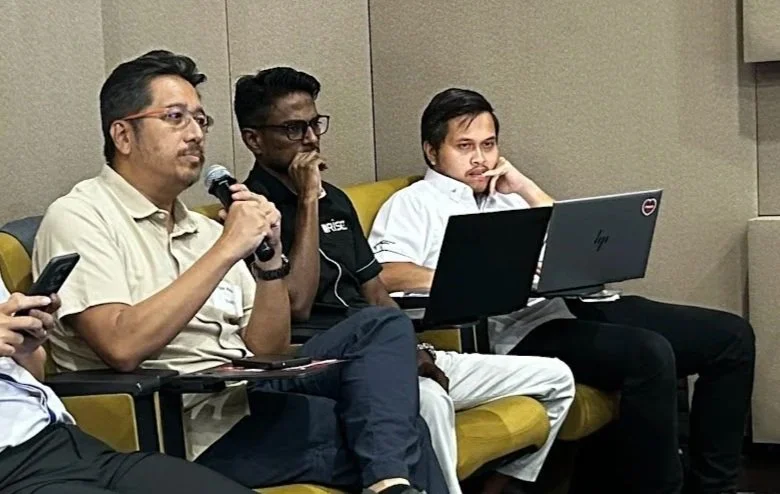
Innovation means taking risks, and those risks are what move a company forward. As AIBP advisory board member Sam Majid put it in closing, the tools will keep changing; what lasts is staying curious, adapting, and never losing sight of who all of it is ultimately for: Malaysian customers and citizens.
The Innovation Awards echoed what AIBP's Malaysia AI Roadmap survey has shown for years. As investment intent climbs, the same challenges climb with it — getting people and processes to move at the speed of the technology. These are obstacles to work through, not signs to slow down, and they don't get worked through on a stage.
They get settled in a room with peers facing the same problems, which is what the AIBP Conference and Exhibition Malaysia is for. On 8 and 9 July 2026 at the W Hotel Kuala Lumpur, those conversations continue through closed-door workshops and curated sessions on digital transformation in Malaysia for the region's senior enterprise and government leaders, where the winners of the 2026 AIBP Enterprise Innovation Awards Malaysia will also be announced.
Register your interest to attend.
