
Beyond Deployment: The Architecture Gap in Indonesia's AI Era
Overview
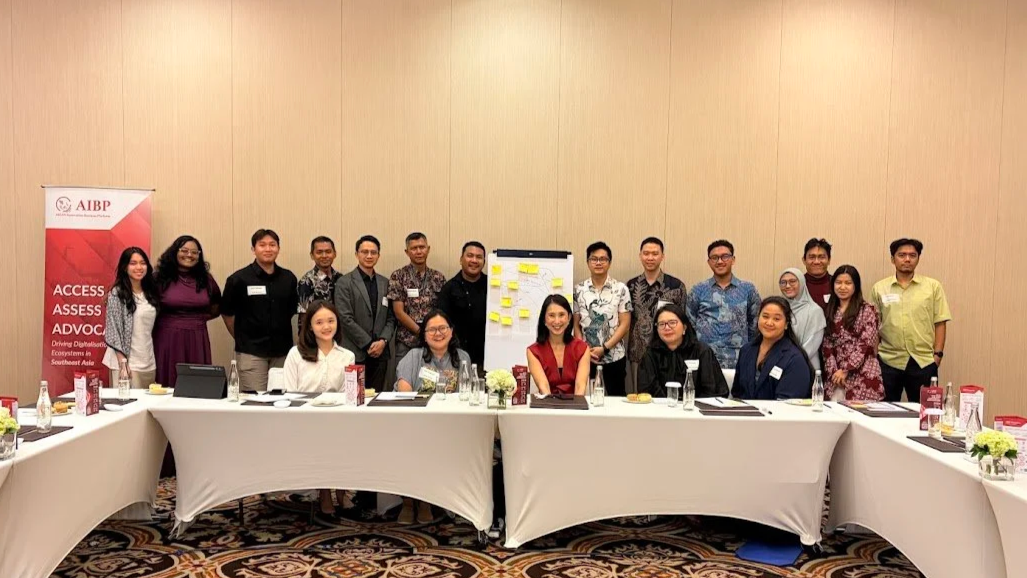
Indonesian enterprises are deploying AI tools at speed, but the organisational structures around them — job descriptions, KPIs, performance frameworks, and capability programmes — have not kept pace. The core problem is not technical; it is architectural. This gap was the focus of a closed-door HR discussion in Jakarta, bringing together leaders from BFSI, healthcare, and technology sectors.
Role Design Is Falling Behind
AI is already changing day-to-day work across functions, but formal role structures have not been updated to reflect this. Employees face ambiguity between what their role requires and what they actually do, while organisations accumulate ungoverned shadow workflows. With 40% of Indonesian enterprises citing lack of talent and expertise as a top challenge, and 38% flagging organisational silos, the need to redesign roles — not just update job descriptions — is urgent. A key unresolved question: who actually owns role redesign? HR, the business unit, or a transformation function?
Performance Systems Are Measuring the Wrong Things
Most KPI frameworks were built for pre-AI assumptions — measuring individual output, activity volume, and task completion. These metrics don't translate well when AI copilots are handling a meaningful share of the work. Leaders expect 25–49% ROI from AI investment within 6–12 months, but when performance systems still reward volume over judgement, AI adoption registers as a threat rather than an enabler. The direction forward: shift from measuring inputs to measuring outcomes — quality of judgement, effectiveness of AI governance, and ability to interpret AI outputs.
Capability Architecture vs. Training Programmes
A key distinction emerged: training programmes deliver content, but capability architecture changes how work actually gets done. AI fluency investment is growing, but adoption remains concentrated in STEM roles — leaving non-STEM functions, where AI disruption is arguably greatest, underserved. The most effective approach links role redesign, workflow change, and learning together rather than running them as separate initiatives. Emotional intelligence is also emerging as a critical leadership capability alongside technical AI fluency.
The Barriers Are Structural, Not Just Cultural
When AI transformation stalls, it's often attributed to culture — but participants identified structural causes: legacy approval processes, siloed ownership, underfunded change management, and absent executive accountability. In healthcare, adoption is slowed not by unwillingness but by professional norms and accountability structures. A consistent finding: change management is chronically underfunded relative to technology investment. Internal champions — individuals willing to experiment and model new ways of working — are among the most effective mechanisms for overcoming this inertia, but they need institutional support to sustain momentum.
Implications for ASEAN Enterprises
The core questions are not about which AI tools to adopt, but about who owns the redesign of work itself, and whether investment in the human side of AI transition matches the ambition behind technology deployment. For Indonesia specifically, the live question is whether the national Golden Indonesia 2045 talent strategy will reach the architectural layer of work — or remain concentrated at the skills layer, where it is easier to measure but harder to translate into real outcomes.
Join the dialogue
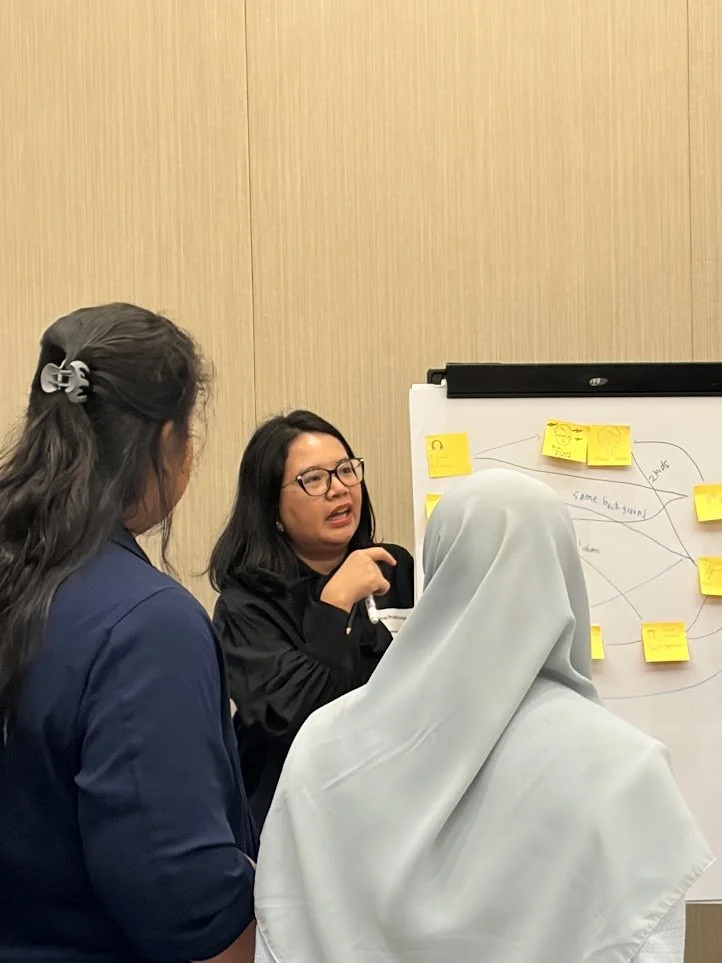
AIBP will continue this conversation at our upcoming 55th Conference & Exhibition 2026, bringing together leaders across industries to discuss how organisations are scaling AI while balancing risk, cost, and governance. View the programme and register here.
