
AIBP Conference & Exhibition Philippines 2026 Day 1: The Human Side of AI Value
According to the Department of Science and Technology (DOST-ASTI), the National AI Strategy for the Philippines (NAIS-PH) was named in the government's 8-Point Socioeconomic Agenda and reported to the nation in July. Its goal is to bring government, the private sector and academia together to drive inclusive AI innovation and more competitive industries.
The 56th AIBP Conference & Exhibition Philippines opened on 23 September at Manila Marriott Hotel, Newport World Resorts, with that national push as its backdrop.
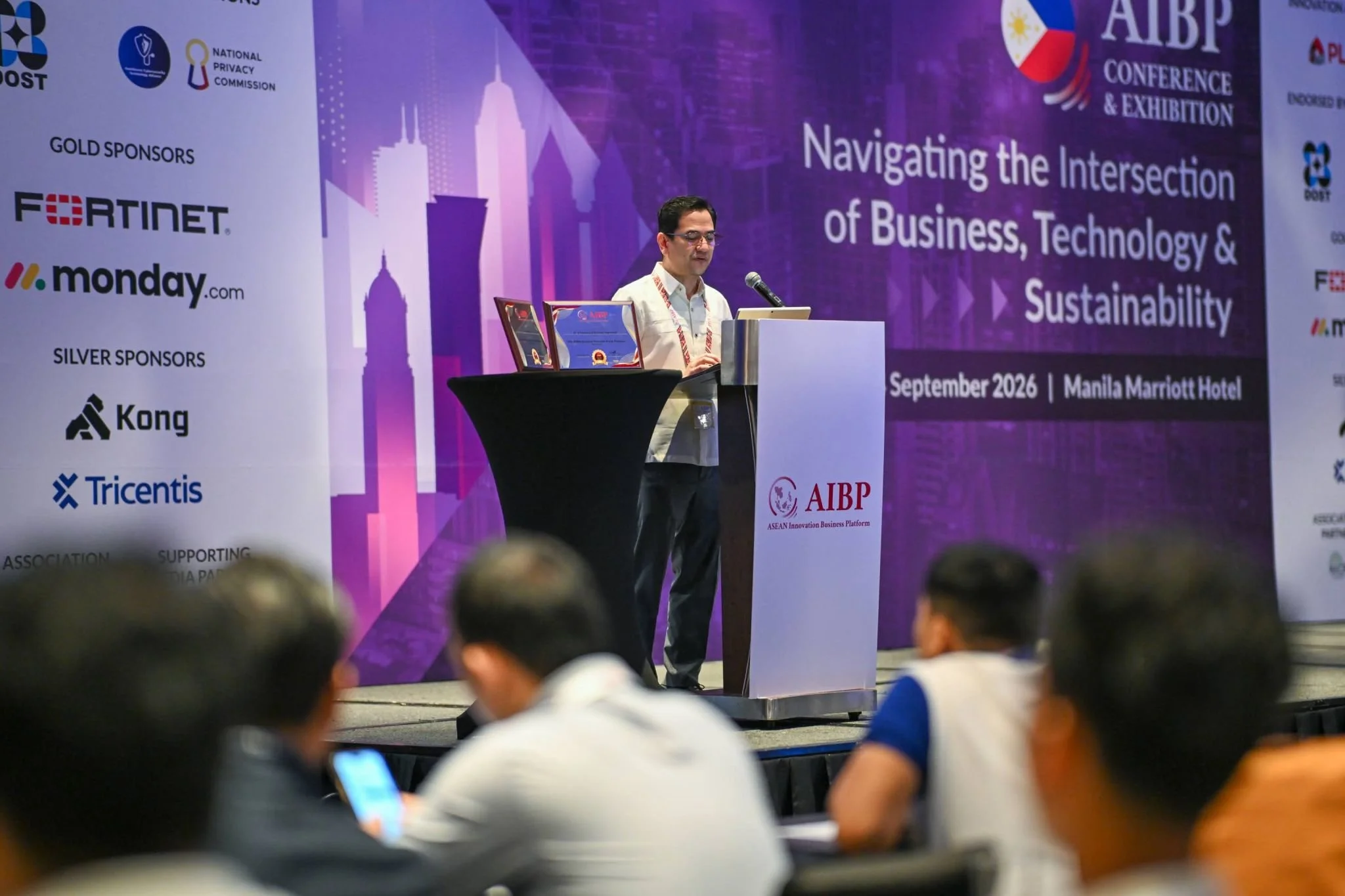
Dr. Franz A. de Leon, Director of DOST-ASTI, sees the model as the easy part of AI, with capable options now widely available. Real value comes from what surrounds it, especially the people who own the work once the pilot ends and stand behind the results.
On Day 1, leaders from banks, conglomerates, hospitals and retailers worked through questions like these:
How do you find the problem worth solving with AI?
When AI saves time, where should that time go?
Who owns data when every business unit wants to use it?
Who is accountable once an AI decision reaches a customer or patient?
Each conversation came back to people: AI delivered most when it began with someone's real need and ended with someone who cared about the result.
Empathy Frames the AI Problem
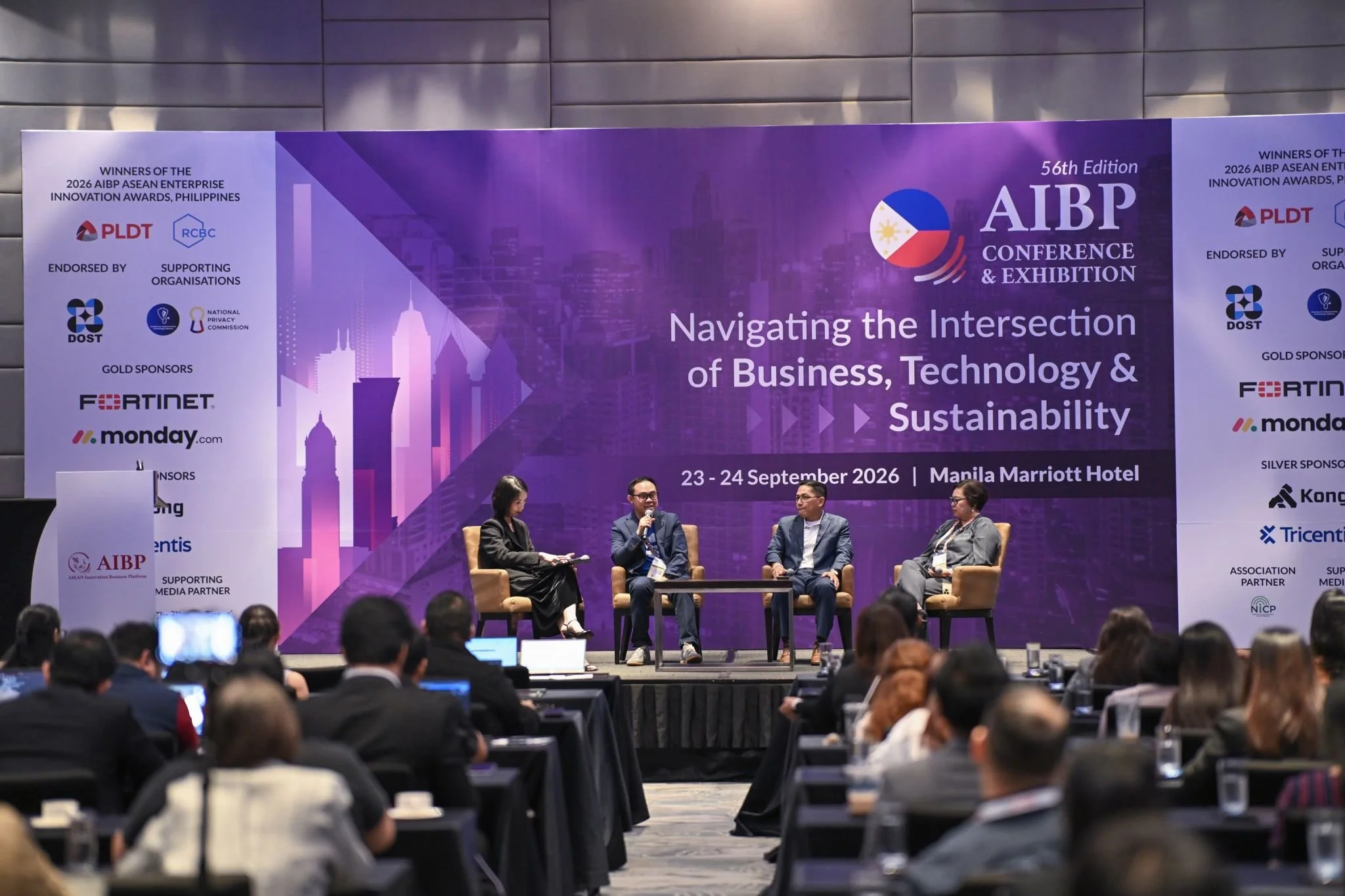
With most Philippine banks now offering free InstaPay transfers, Patrick Meneses, Chief Data and Technology Officer at Security Bank, sees payments as a commodity. What sets a bank apart is how customers feel at the moments that matter, such as a family closing a loved one's accounts, facing forms and death certificates at the hardest time in their lives. Design around that moment, and the right use of technology follows.
Empathy also sharpens how a problem is defined. Many people can describe EDSA (Epifanio de los Santos Avenue) traffic in detail, yet few can say exactly what the problem is. "Framing the problem is a superpower, and it's part of your empathy," he said.
The same human lens decides whether AI creates value.
Dennis Omila, Executive Vice President and Chief Transformation Officer at UnionBank, described a model that worked technically yet changed little, because people kept to the old way of working.
UnionBank now brings employees along from the start through its "You and AI" approach. Once people adopt the tool, the time it saves needs a destination. Dennis calls it "man-hours returned" and asks every project sponsor to commit those hours to a cost saving or revenue target.
In healthcare, the destination is the patient. At mWell, AI now drafts the teleconsult notes that once took about 40% of a doctor's time, so doctors can see roughly twice as many patients, said Albert Padin, Chief Innovation and Product Officer.
At Universal Robina Corporation (URC), leadership talks now turn to full-time equivalents (FTEs), the number of roles AI's time savings add up to. Karen Salgado, Chief Digital and Information Officer, said URC aims to keep its people and move them into higher-value work.
Starting from a human need gives saved time somewhere meaningful to go, and business value follows.
Clear Owners Build Trusted Data
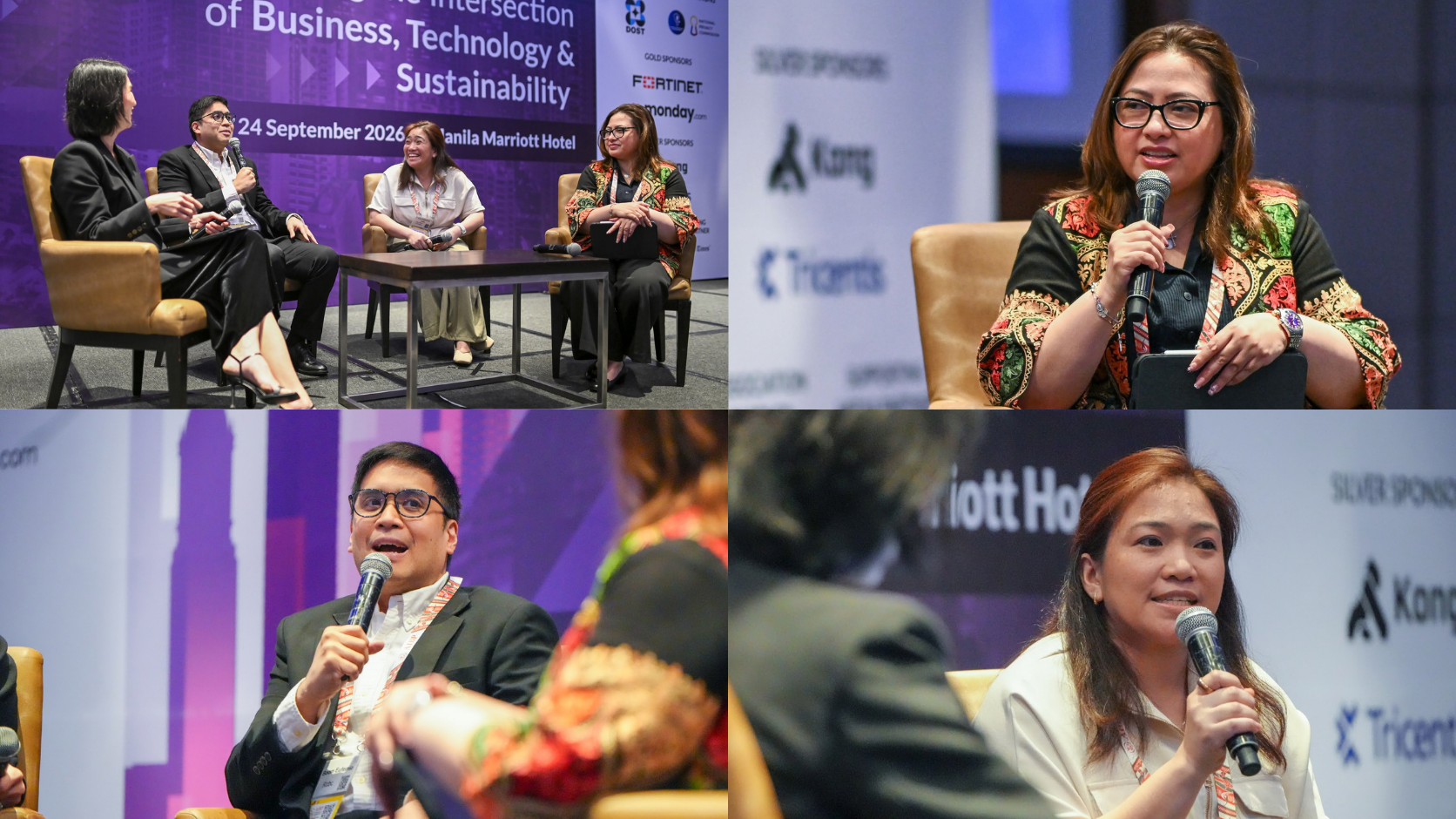
Solving the right problem depends on data people trust. An audience poll called data governance a shared responsibility, and the panel showed it works best when each dataset also has an owner who uses it daily.
Bernadette Salinas, Chief Data Officer at SM Retail, found those owners by starting with the few key performance indicators (KPIs) top management already tracked. The people who cared most about each report became its owners.
Across more than 128 companies, Gem Francesca Favis, Data Governance Manager at San Miguel Corporation, starts newer teams with a real business issue, showing what a data error cost. Once leaders see how much a data problem costs, they are ready to own the fix.
When owners know their data well, controls can keep pace with the business. San Miguel matches review to how sensitive the data is, so low-risk requests move quickly, while RCBC brings compliance, legal and risk teams in early enough to shape the design.
Behind every dataset is a customer. "It's the customer ultimately that owns their data with us. We're just really custodians," Bernadette said.
For Boom Eufemio, First Vice President and Division Head of Go-To-Market & Growth at RCBC, that makes governance as important as business impact: "We're in the business of trust."
Visibility Comes Before Governance
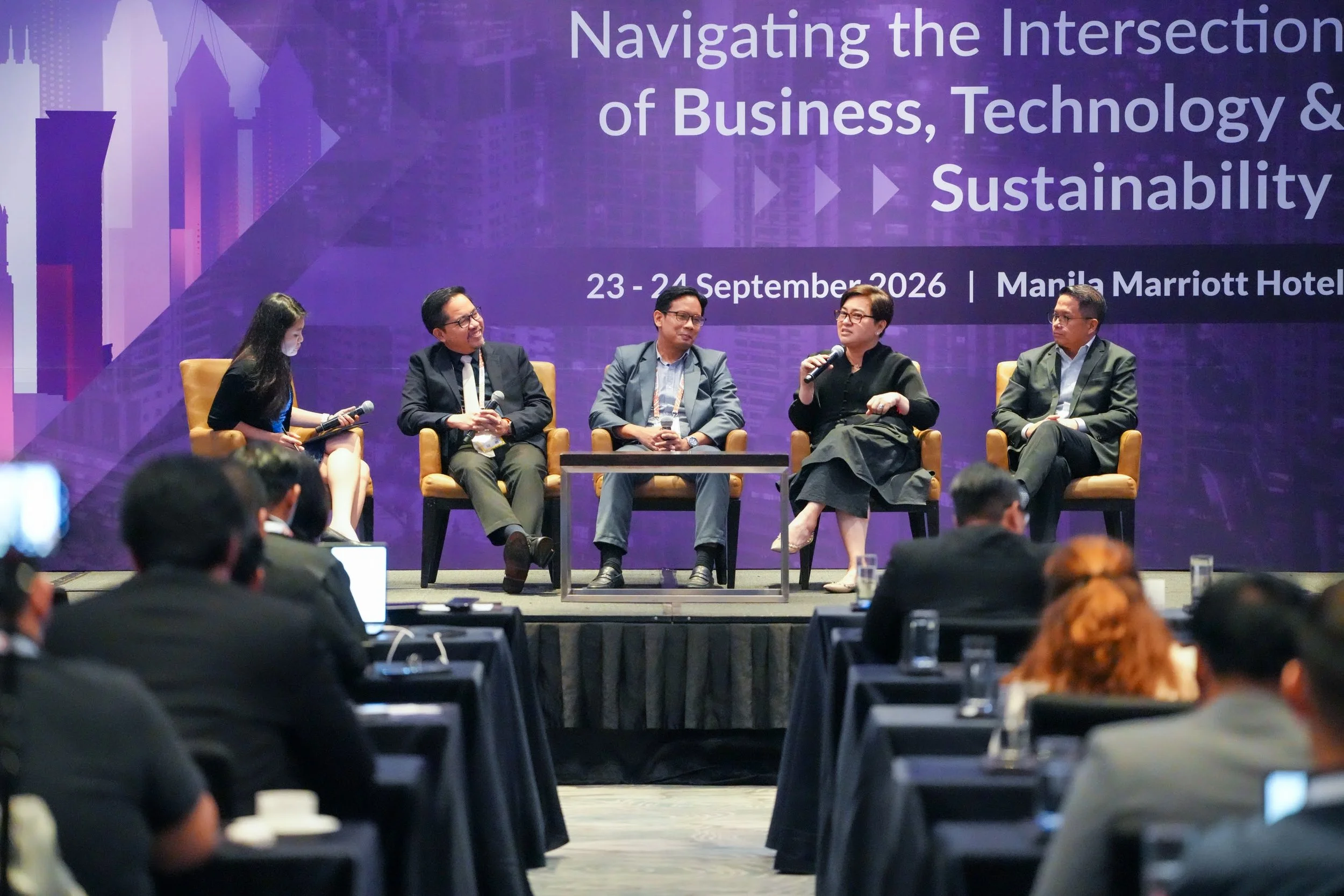
Owners can only answer for what they can see. Josemaria Likha Umali, Head of Data Analytics at First Gen, traces every number from source to customer report, so his team can find where an issue began and who owns the fix.
That visibility keeps accountability with a person as AI takes on more work. Frank Vibar, Chief Information Officer at Asian Hospital and Medical Center, reminds doctors they own every prescription and diagnosis, whatever the AI suggests.
Leah Camilla Besa-Jimenez, Group Head of Enterprise Risk Management and Chief Data Privacy Officer at PLDT, places accountability with whoever gives the go-ahead after hearing the risks. PLDT's ERICA, winner of this year's Data & AI award, cuts risk reviews from days to minutes, with a human risk professional signing off each one.
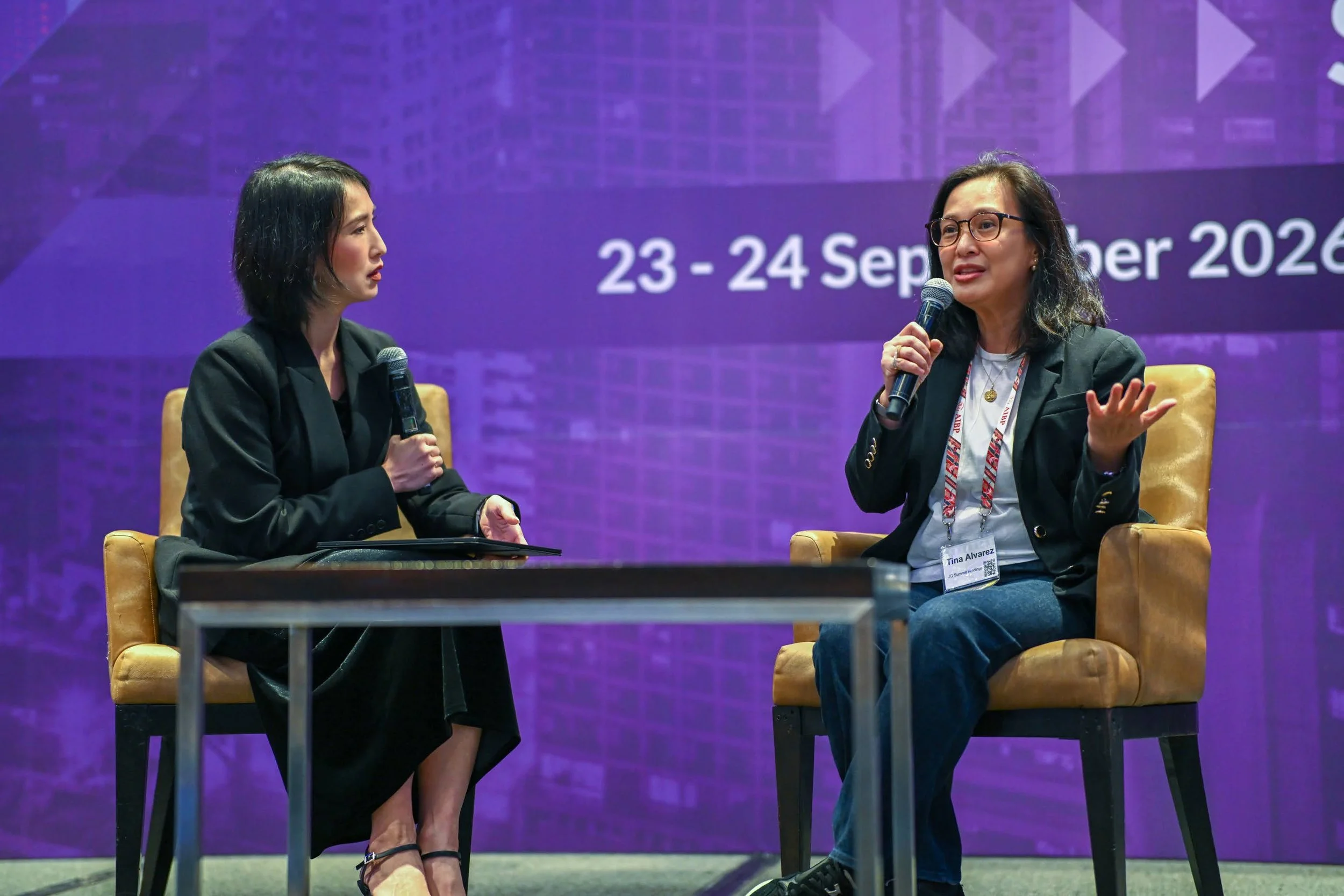
Visibility covers cost too. Tina Alvarez, Chief Digital and Information Officer at JG Summit Holdings, saw a new AI tool use a month of credits in three days. "Before you even set your journey, put in your visibility and monitoring in place," she said. Looking back, she would classify data first, so the company protects and spends on what matters most.
Closing Thoughts From Day One
At the heart of every discussion on Day One were the people behind the technology.
When organisations pay close attention to what customers go through, the right problem becomes clear. When they know who owns the data and can see what the AI is doing, they can stand behind the results with confidence.
One idea tied the day together: AI delivers when it starts from a real human need and every step toward the result has a person who owns it.
Day Two turned to cyber resilience and to AI agents that act on a company's behalf, where ownership becomes accountability for what AI does.
About ASEAN Innovation Business Platform (AIBP)
The ASEAN Innovation Business Platform (AIBP) is an initiative focused on enabling innovation and strategic partnerships across public and private organisations in Southeast Asia. Through curated engagement activities, AIBP supports the growth of regional government agencies, enterprises and solution providers in navigating key themes such as innovation, digital transformation, and sustainability.
Learn more at www.aibp.sg
