
AEON Group's data strategy: solving the "ecosystem paradox" across Bank, Retail and Credit Services
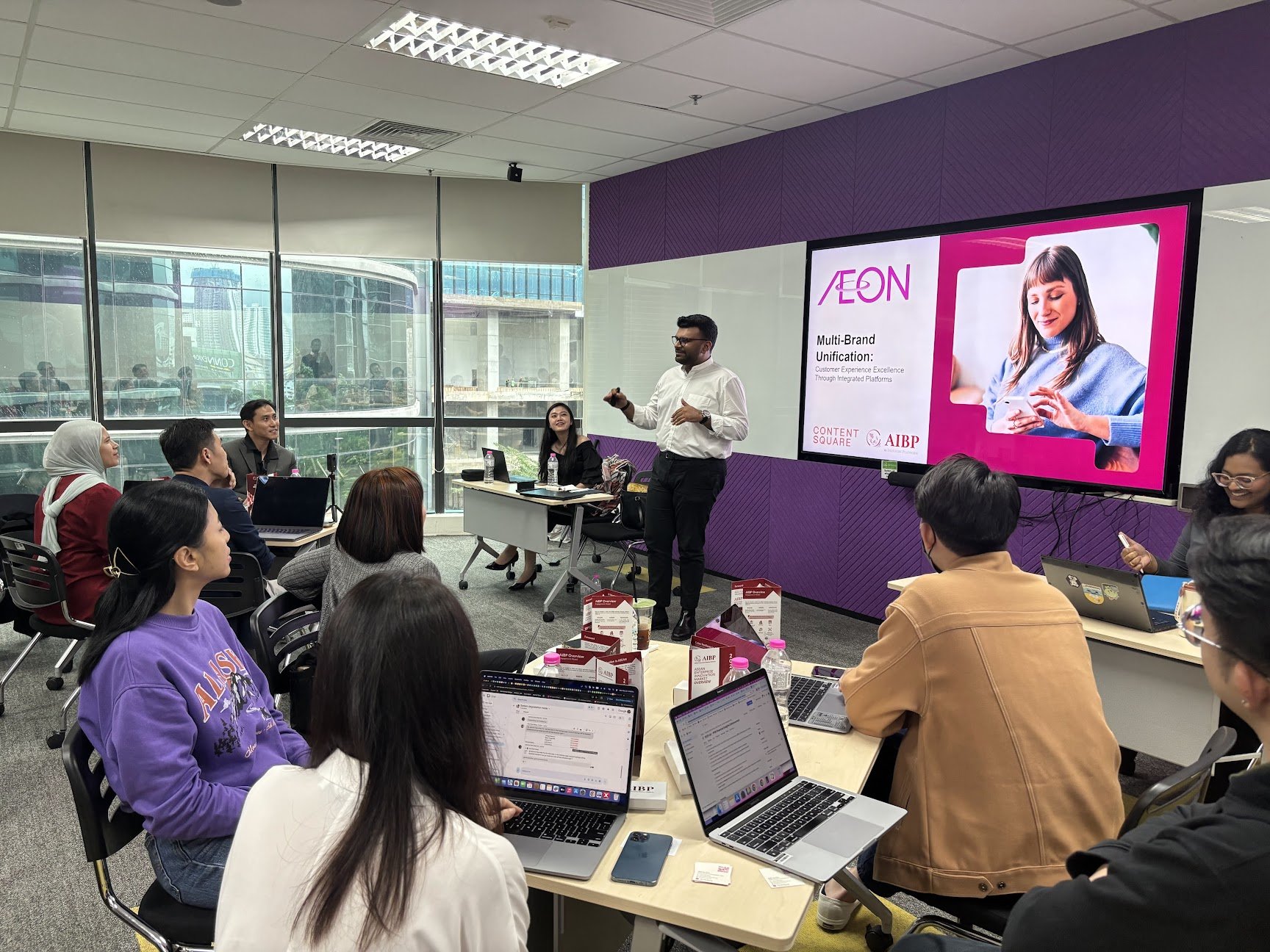
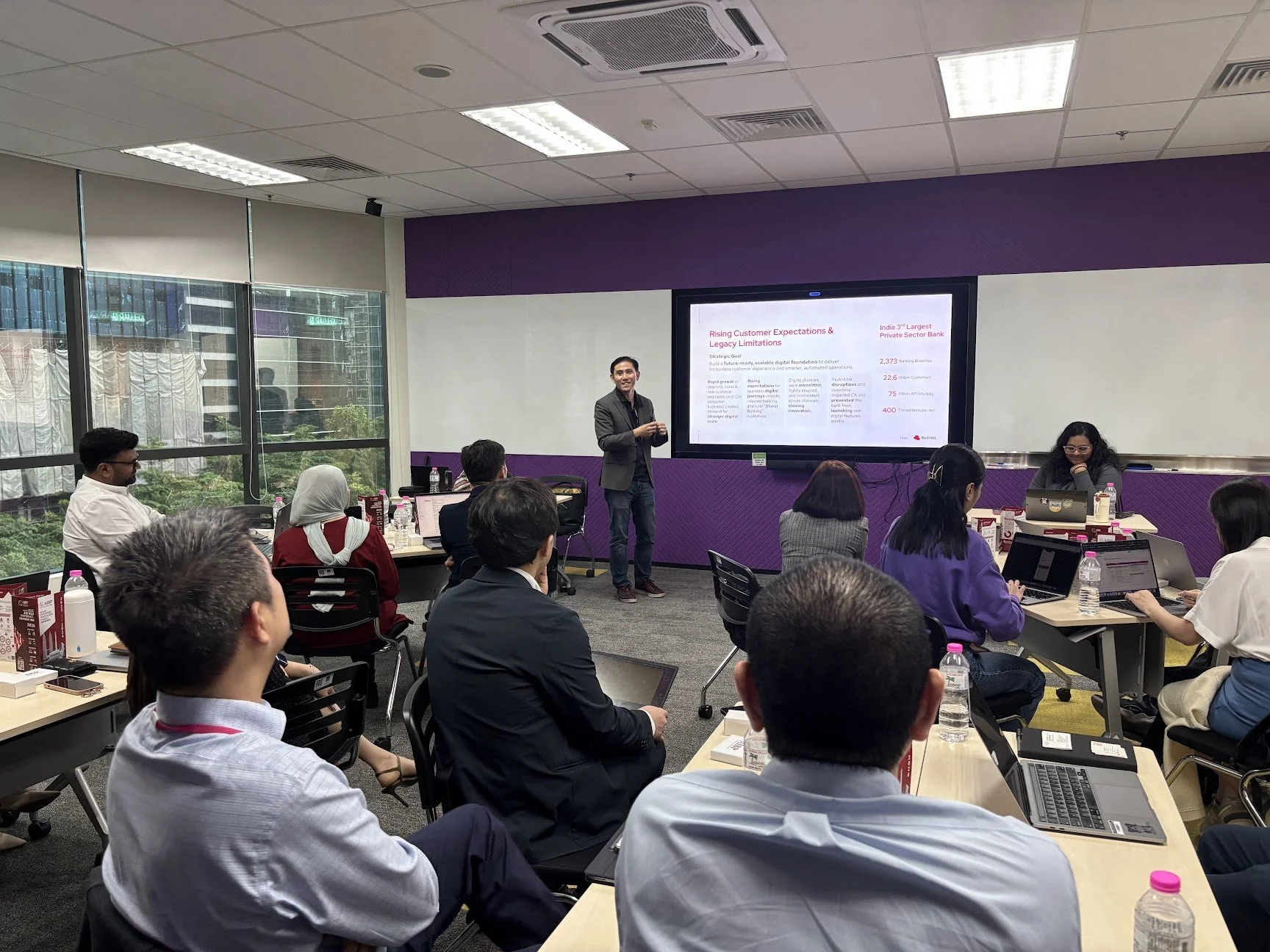
AIBP recently co-hosted a closed-door workshop in Kuala Lumpur with leadership from across AEON's core Malaysian entities — AEON Bank, AEON Retail, and AEON Credit Services — to drive operational alignment on a unified Group Data Strategy.
The session focused on what the AEON team calls the "ecosystem paradox": the inherent challenge of aligning conflicting KPIs and siloed P&Ls across retail and finance to form a singular, high-performance data engine for the group. The workshop steered deliberately away from generic AI hype — toward the structural, talent, and regulatory trade-offs that actually decide whether a group strategy ships.

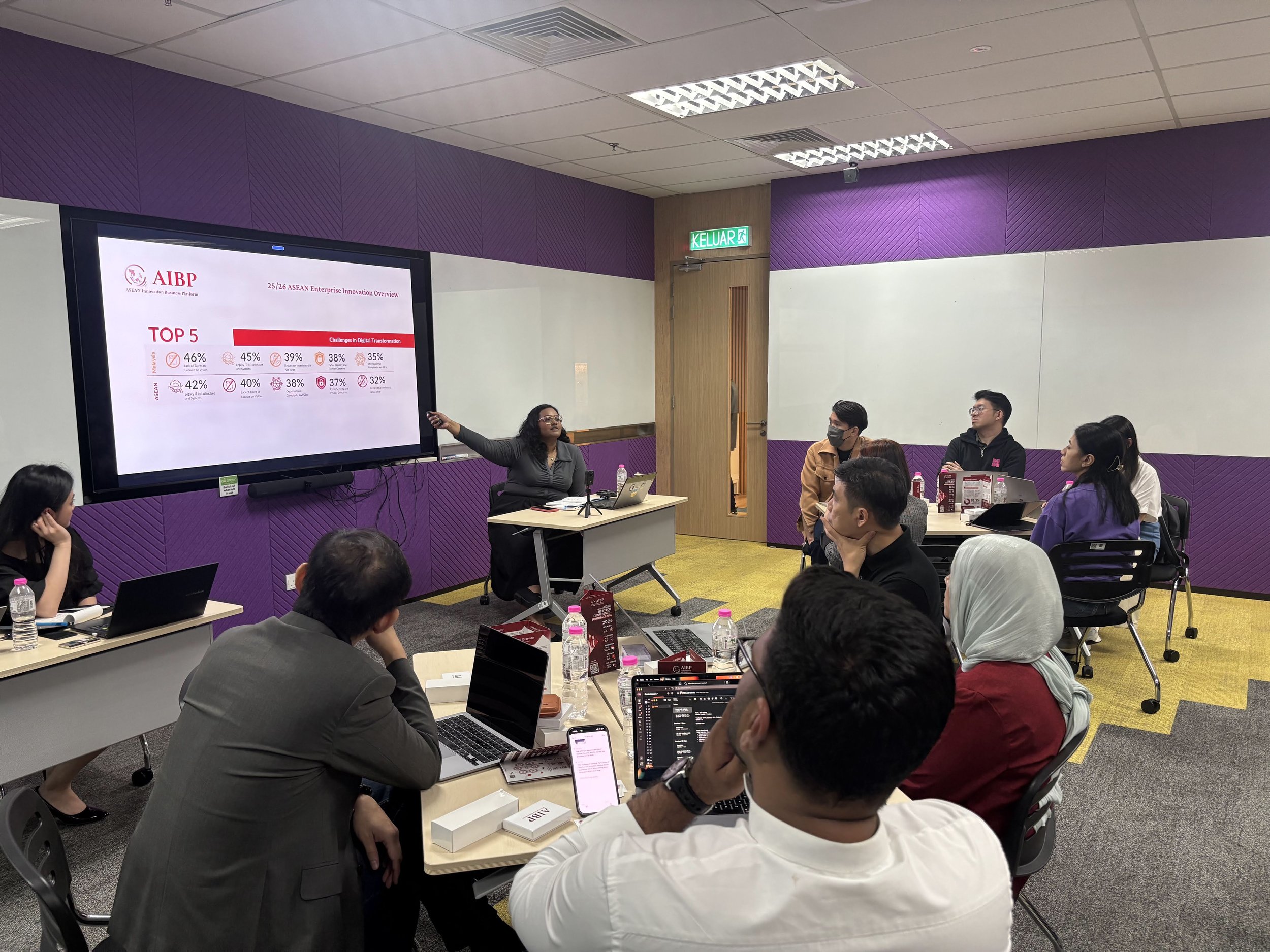

Breaking the silos: what it actually takes
To build a frictionless customer journey, AEON is first dismantling internal barriers. AIBP convened senior leaders from each entity to align departmental goals with unified group objectives.
Unified governance. Leadership is establishing a standardised data framework to dismantle legacy silos. Alignment on a shared roadmap ensures that high-fidelity insights — for instance, a customer's supermarket footprint — can be seamlessly translated into actionable financial value at the bank.
Incentive design vs. integration. A major structural hurdle: each operating company is optimised for its own KPI sheet and P&L. Because each entity is measured on its own performance, there is little incentive to clean or release data that might benefit a sister company. Solving this requires a new reward structure that prioritises group-wide value over individual departmental KPIs.
The talent war. AEON is confronting a critical talent gap. In a market where PhD-level data scientists can take upwards of six months to recruit, the group is pivoting toward a "Big Group" resource model — a shared pool of senior data and AI expertise that any business unit can draw on, rather than each entity recruiting in isolation.
Measurable operational fixes
By auditing friction points in account openings and loan applications, AEON is prioritising measurable technical fixes over experimental trends.
Friction audits. Real-time identification and resolution of API errors and customer drop-offs are being implemented to protect the digital acquisition funnel.
Retail "future stores". AEON is executing a deliberate departure from traditional retail via a multi-year infrastructure overhaul. The move secures a 5+ year technology lifecycle and introduces operational AI — including unmanned store pilots with facial-recognition payments.
AI staff assistants. Voice-query tools now allow store managers to ask, "Why were sales down yesterday?" and receive an automated analysis of footfall and stock impact — eliminating manual report-digging.
The reality of execution: trade-offs and transitions
While the vision is integrated, leadership acknowledged significant friction in execution, requiring strategic trade-offs between speed and stability.
Legacy vs. velocity. There is a real trade-off between moving fast with digital-native applications and the slower reality of updating legacy retail infrastructure. Replacing physical hardware — Android POS, for example — is a substantial capital expenditure that moves more slowly than software-only updates.
Cost of accuracy. AI-driven loss prevention in retail requires roughly 16,000 images per SKU for reliable recognition. The group is balancing high upfront data-training costs against the accuracy required to prevent checkout shrinkage.
ROI vs. innovation. In the Malaysian market, there is strong pressure for clear ROI before AI expenditure. That creates tension between the need to experiment with long-term "future store" concepts and the immediate requirement for operational cost-saving.
Regulatory compliance. Moving data between regulated (Bank) and unregulated (Retail) entities remains a complex hurdle. The goal is a "one-click" approval, but the reality is a maturing regulatory framework for eKYC and cross-entity data movement.
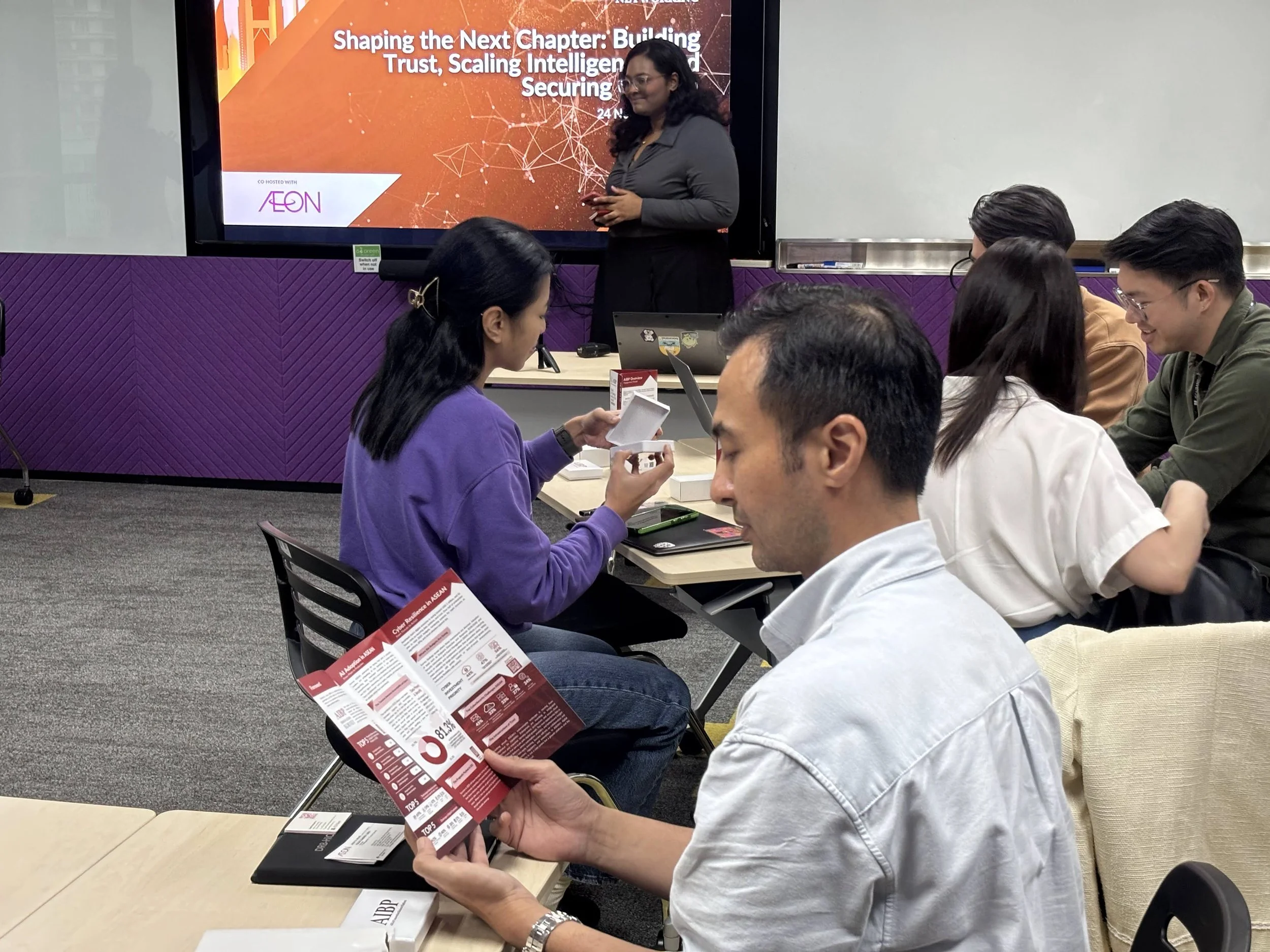
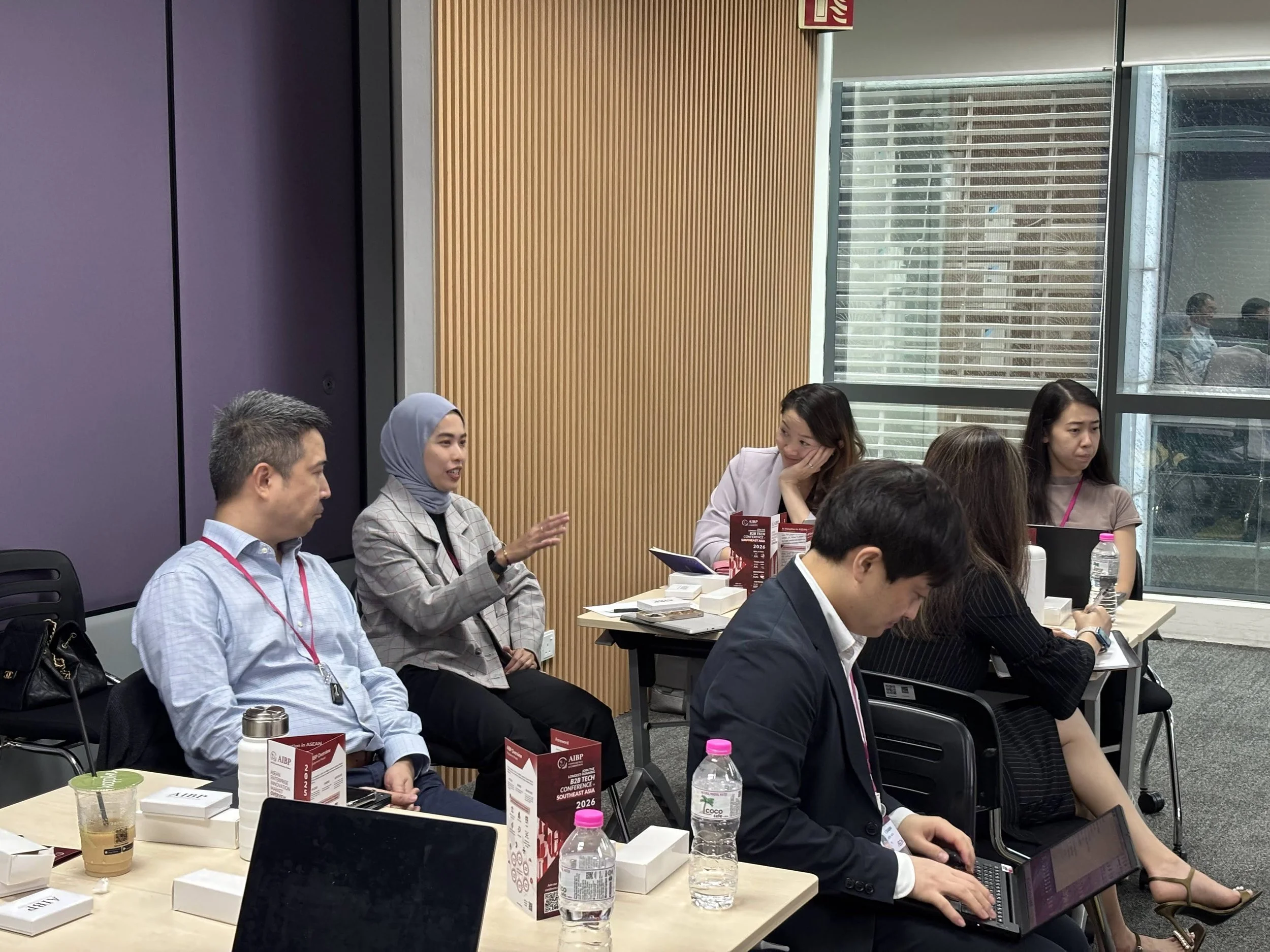
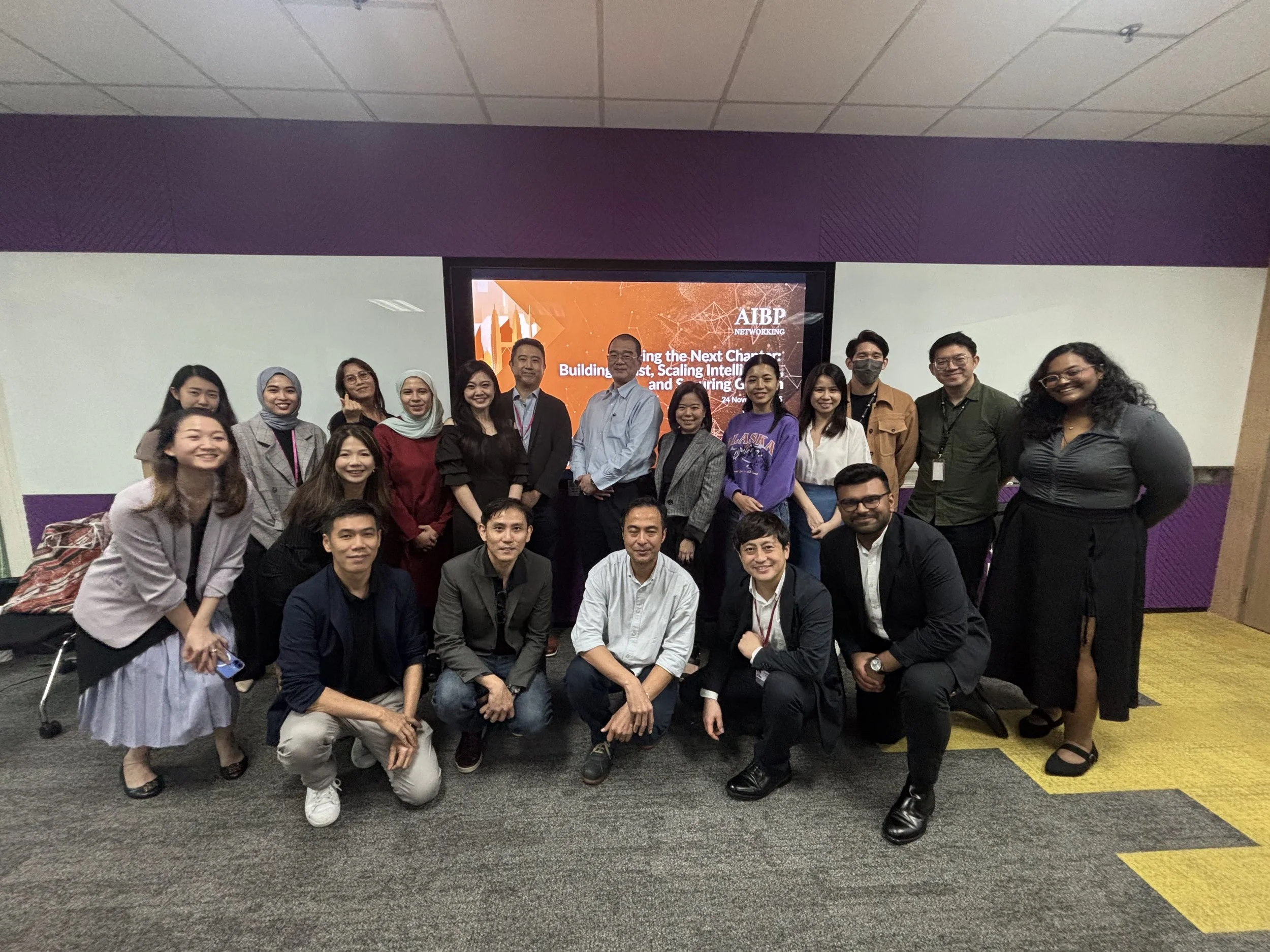
Anchoring the roadmap with AEON 360
The roadmap is now anchored by AEON 360 — the group's central data engine. This entity serves as the strategic "data anchor", enabling cross-entity innovations that digital-native competitors cannot easily replicate.
Alternative underwriting. This centralised data pool could allow the group to bridge retail consumer behaviour and financial risk assessment. By leveraging high-frequency shopping histories, the Digital Bank could enable data-led lending via alternative credit scoring — facilitating instant loan approvals at the point of sale.
Beyond the e-wallet. While Malaysian consumers currently treat digital banks largely as daily transaction hubs (QR payments), AEON's strategic goal is to transition these users into long-term financial partners through sophisticated, intelligence-driven products.
Partner use cases aligned to the AEON 360 roadmap
We collaborated with two technology partners to present use cases specifically aligned to AEON's digital roadmap:
Red Hat - Focused on systems modernisation — addressing the "bi-modal" development challenge of maintaining seamless integration between legacy infrastructure and modern cloud-native systems, so that group-level data and applications can move at digital-native speed without breaking the retail estate underneath.
Contentsquare - Demonstrated multi-brand unification strategies — specifically, how to surface actionable behavioural insights across AEON's retail, bank, and credit touchpoints to optimise the customer journey and maximise digital ROI.

The frictionless vision
From a supplier receiving an AI-generated stock forecast to a shopper securing an instant micro-loan for an appliance at the checkout counter, the group is committed to building a "frictionless life" for the consumer.
We will be continuing this conversation on 8 July 2026 at the AIBP Conference & Exhibition Malaysia, with Low Ngai Yuen, Managing Director of AEON 360, on a panel exploring the question: "Who owns the data when everyone needs it?" She will be joined by:
Eng Hwa Goh, Head of IT Service Delivery, Malaysia Aviation Group
Noor Farilla Abdullah, Chief Digital Officer, Bank Islam Malaysia Berhad
For data, AI, and platform vendors
If your solution touches any of the areas covered above — cross-entity data governance, alternative credit scoring, AI loss prevention, eKYC, in-store operational AI, or talent infrastructure for data science teams — we'd like to hear from you ahead of the conference.
There are a limited number of speaking slots, exhibition spaces, and private networking sessions still open for vendors who can meaningfully add to this conversation. Tell us where you fit using the form below, and our team will be in touch.
